Sweater Weather

Rubble, Reign, Hazel, and Remi

The weather has finally turned chilly here in North Texas. But it wasn’t that many weeks (days?) ago that the temps were still quite toasty. Here’s a little story I wrote about one of those days.

All Safe Inside

The air around us is suffocatingly hot, close, and still. A weak light wobbles in my hand. Smells of doggie breath, spit, and sweat assail my nose. Three of my four charges take turns panting and barking. The fourth snarls and tries to rip apart the small dog bed on the floor. Beyond our confined space, all noises are muffled and faint. I feel my heart beating in my sore teeth. And then a text lands on my phone.

EARLIER THAT DAY…

“Go potty!” I said, opening the door to let my four fur grandbabies into the backyard. Hazel, the senior boxer, immediately lay down in a patch of sun. Rubble, Remi, and Reign‒the three miniature pinschers‒sprinted away to the far corners of the fenced area.

After watering thirsty plants, I sat on a lawn chair, thankful for the beautiful day. The sky was deep blue, with a few cottony white tufts. A gentle breeze cooled my skin. I heard a lawnmower next door, and soon, the smell of newly mown grass wafted over the fence. One of the min pins zoomed past. Dog sitting for that pack kept me on my toes and made the week fly by.

“Go potty,” I reminded the dogs, noting they were more interested in napping or chasing toads, butterflies, and bunnies. Unexpectedly, I heard faint chirps and looked above at the improbably small barn swallow nest. The mud structure was secured under a corner of the back porch overhang. An adult bird swooped in for feeding time. Popping above the edge of the nest were three tiny bird heads, their beaks opened and waiting. Quite a show.

With closed eyes, I listened to the relaxing sounds of the pool’s fountain. I hadn’t brought my suit but considered coming back out later to cool my feet in the water while I read. My smile soon turned into a frown when I felt a slight twinge in my teeth. A recent visit to the dentist had provided no resolution, except for another appointment scheduled for several weeks later.

Just then, I got a call from my vacationing daughter. She asked about the doggies and mentioned seeing that severe weather was expected in the area that night. I know Texas storms can be extreme. I reassured her that I wasn’t worried and would remain weather-aware. I urged the dogs back indoors, promising treats for those who obeyed. Rubble was often the holdout, spending extra time moseying around the perimeter of the yard for anything he missed on his initial patrol of the area.

The rest of the day got away from me, between the dogs and the editing work that always accompanied me on the laptop. Before I knew it, the clock said it was past time for the dogs’ dinner, followed by their last potty break. When I opened the door, I realized the weather had turned. The temperature had dropped, and a strong wind blew. In the sky, angry dark clouds raced across the face of the moon. The baby birds were quiet for the night, and I was happy for the protection they had within their nest. I encouraged the puppy potty party of four to go out and do their business quickly.

“Inside!” I told the dogs as soon as they’d gone potty, promising them treats if they quickly followed my command.

Back in the house, I remembered the blue betta swimming lazily in its fishbowl and sprinkled a few food pellets into the water. I closed the blinds and got ready for bed. Rain spattered the windows. Before long, Hazel lounged on her large dog bed, and the three min pins were up on the bed with me and my book. Suddenly, the shrill blare of weather warning sirens sounded!

Like in my nearby town, that alert meant a tornado or large hail with high, destructive winds. I would take no chances and felt a strong responsibility for my daughter’s dogs. Grabbing my phone, flashlight, and a handful of dog treats, “Come! Treat!” I announced. We headed for the storm shelter, solidly set in the hot garage. Of course, Rubble, being Rubble, needed to make several passes inside the garage before he joined the others in the small shelter. I turned on the flashlight, closed the door, and sat on a low stool. That’s when all heck broke loose. No, not weatherwise. In fact, I could barely hear the wind and the faint pelting of hail. The problem was with the dogs!

As the confused canines tried to make sense of their surroundings, I already wondered how long we’d need to stay in that sweaty torture chamber. Remi and Reign nipped at each other, trying to run around in the small space. Hazel barked loudly, sending her odiferous breath directly into my face. And a snarling Rubble took over the small pet bed on the floor‒not to lie down but to try and rip it apart with his teeth. Time stood still.

RIGHT NOW…

My phone buzzes with a timely text from my daughter. “Just checked the radar for your area! Are you okay?” I assure her we are ALL safe in the storm shelter (except the fish…oops!). “There’s a fan in there,” she adds.

I shine my flashlight into the dark corners, and there it is, right next to me. My savior. I turn on the fan and pick up Rubble. He sits on my lap, whiskers facing into the surprisingly cool breeze. Rubble is suddenly quiet and content. The other three follow his lead, lie down, and go silent. I check my phone for a weather update. My toothache recedes from a steady throb to an occasional twinge.

Tomorrow, the sun will return, and I will start my second day of dog sitting. I can do this!
Literary Rescue

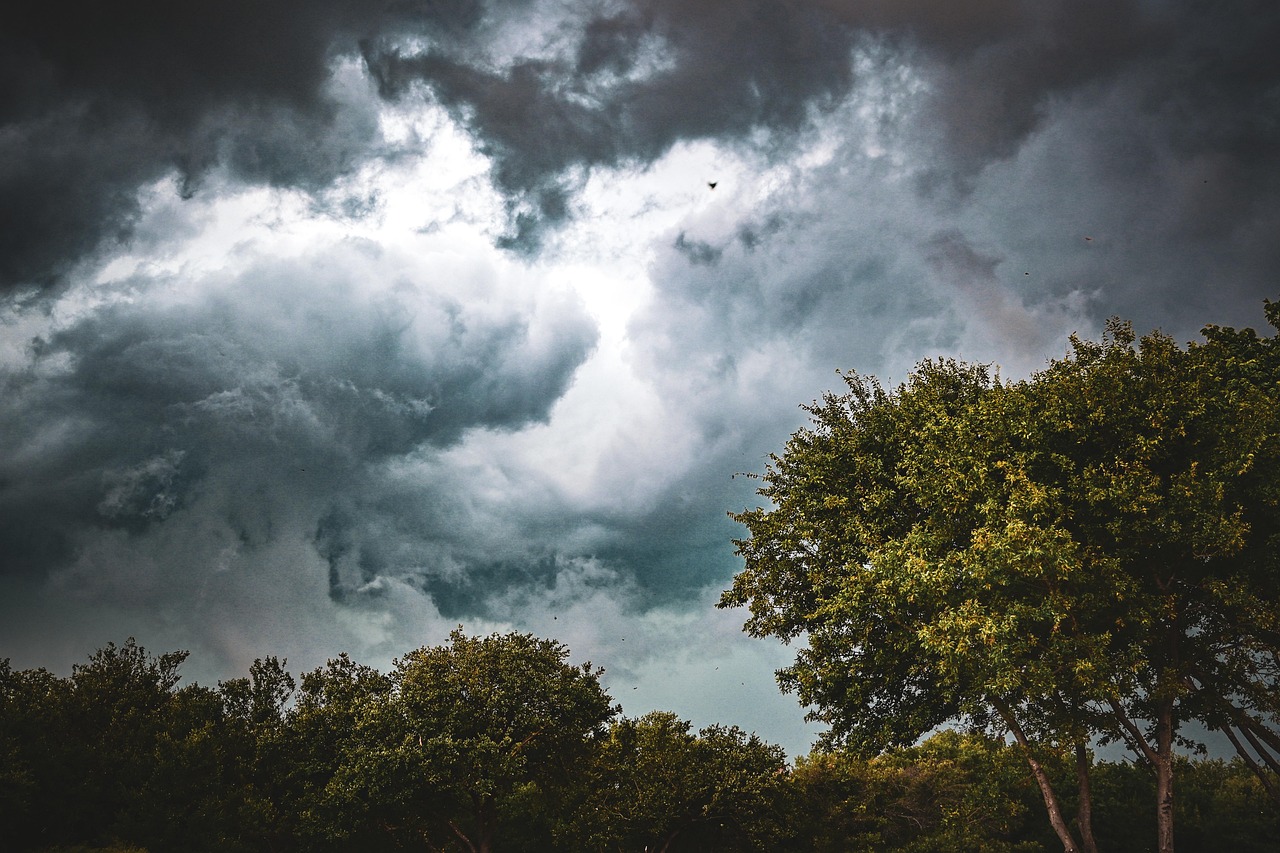
Blue Norther in Garland Texas – Pixabay

In the past, I’ve had the privilege of rescuing several animals to adopt and save them from an uncertain future. I’ve also rescued plants heading for the compost pile, nurturing them back to health. But a type of mission I’ve accepted that is not as widely appreciated is the literary rescue!

You might ask, “What’s a literary rescue?” First, let’s look at what it is NOT.

As a teenager, I had my first sleepover with a friend I had known since elementary school. We had fun paddling a rowboat around the shallow inland lake across from her house. However, after dinner, we were told that my friend had to put in her hour of daily piano practice. What to do? I wouldn’t attempt the boat alone. And they lived on a country road, so I wouldn’t go walking around. I didn’t want to sit in the living room and stare at her parents (or have them stare at me). My only option seemed to be waiting in her sparsely appointed room. Then what? An hour with nothing to do can seem like an eternity to a teen.

Luckily, I discovered a small shelf filled with books in the corner of her room. These were old books, mostly without dust jackets, to provide clues about their contents. I grabbed one named Claudia because it was a girl’s name and started reading. The story was about a young, recently married woman who was not yet far beyond her teenage years. I was captivated. The sounds of piano music in the background faded away.

When my friend finally returned, I showed her what I’d been reading. She informed me that “all those old books” used to belong to her mother, and the girl didn’t like most of them. I’d started reading one and asked if I could borrow it and finish it later at home. She agreed and wrote her name inside. I thoroughly enjoyed the book. I hated to let it go. Months turned to years. About a decade later, I discovered Claudia was the first book of a charming series by Rose Franken. I’ve now read them all. I meant to return that book to my friend and maybe tell her how much I liked it. However, I never did, and I have now lost track of her. Sorry, Marilyn!

Did I actually “rescue” that book? Probably not. Because I kept it intentionally, some might say it was a “booknapping” rather than a rescue. And I doubt anyone in the family would have burned or thrown those vintage books into the trash anytime soon. But it certainly was a lucky, long-term borrow on my part!

A few years later, the summer I graduated from high school, I donned my bathing suit and walked to the local beach one afternoon. This wasn’t the park where all the teens hung out but a small, quiet affair where parents were more apt to take their little ones. I just wanted to get some sun and fresh air while enjoying the book A Summer Place by Sloan Wilson.

Engrossed in the story, I tuned out the few beachgoers around me and didn’t realize at first that the sun was no longer reemerging from behind the clouds. I finally noticed the chill and the appearance of goosebumps on my bare arms and legs. Deciding I should head home in case rain moved in, I put my book aside in the sand, threw my pop can (yes, we called it pop in Michigan) in the trash, and folded my blanket, stuffing it into my beach bag. I quickly set out for home.

A few blocks in, I realized I’d forgotten to pick up my book! The sky still looked ominous, but I retraced my steps. As I drew closer to the beach, I saw my book was nowhere near where I had left it. But I circled the narrow strip of sand, thinking maybe I had been wrong about the location. And then, I spotted it. A young mother tightly gripped my copy of A Summer Place as she rounded up her raucous bunch of kids to leave. Being the introvert I was (and mostly still am), I didn’t say a word and turned back toward home, feeling disappointed. Okay, I knew how the story ended because I’d seen the movie starring Sandra Dee and Troy Donahue. But I would still check it out from the library sometime to finish reading it.

Had that person “rescued” my book? She might have thought so (hello, woman from the beach; I hope you enjoyed it!). But I went back for my book to protect it from the elements, so I say it doesn’t qualify as an actual rescue on her part.

Years later, when I was teaching fourth grade in Michigan’s Upper Peninsula, an elementary school in a nearby county closed down. Their entire library of books was up for grabs. Many of them were brought to our school for teachers to select for their classrooms. Of course, many were old copies of familiar chapter books, such as those by Beverly Cleary. But they certainly added to this new teacher’s classroom library. My heartbeat raced when I saw two picture books by Swedish author and illustrator Maj Lindman. Her bright “Flicka, Ricka, Dicka” and “Snipp, Snapp, Snurr” series about two sets of triplets were my favorites as a child and the first ones I looked for at the library. Although the characters might have looked a bit younger than fourth grade, I would enjoy showing my students examples of books I had loved as a child. I grabbed one from each series.

When I moved away and left my job at that school, I dreaded leaving those books behind. I imagined the new fourth-grade teacher dumping anything outdated or what they considered overly young. I took the two picture books with me to share with my next group of students. Stealing? Not really, although I could have asked permission. I still have them with the old library cards tucked inside. A literary rescue? I like to think so!

Even after moving away, I often returned to Michigan’s Upper Peninsula. Hunting for used bookstores was a favorite summertime hobby. One year, I saw a sign that said, “Books in the Barn,” pointing down a dirt lane. Sure enough, there was an old barn full of used books! And this was not a barn fixed up to serve as a store. It was still just an old barn, open to the elements, daylight showing between the boards. The books all smelled somewhat musty. A friendly clerk said they had somehow ended up with the inventory but didn’t have an appropriate shop space. They would sell what they could that summer and get rid of the rest. The words “get rid of” rang in my ears. I bought several books that day. The ones that stuck in my mind were Jack Finney’s time travel duo Time and Again and From Time to Time. They were both warped from the humidity. But I enjoyed them immensely and didn’t give them up until years later during another move. Was this a literary rescue? Yes, I believe those purchases do qualify.

So, we could say the following conditions constitute a literary rescue: saving books that are in danger of being burned, drowned, thrown away, or otherwise ruined by the elements.

This brings me to a recent rescue event. Last autumn, I visited the library in the late afternoon. The air was warm, the breeze light, and the clear sky a bright blue. They keep the building very cold inside, so I wore a thin fleece. I had to return a few books, and the distance is just the right length for my daily walks. I began browsing the shelves with the new titles and eventually glanced up and outside. What? Leaves and branches flew past the windows, and the sky was unusually dark for that time of the day. I looked at my phone and saw the temperature had already dropped about 25 degrees. I checked out the book I’d found and headed for the door.

Outside, the cold wind hit me with force, and I was glad I’d worn the fleece, which at least offered minimal protection. A Blue Norther, I thought. One side of the sky had turned a much darker blue, and a solid curtain of steely gray clouds was moving in from the Northwest. This would not be one of those dry Blue Northers; rain was coming. I had forgotten to bring a bag with me. If rain started to fall, I’d have to put the book under my jacket. I quickly strode toward home.

My next mistake was the route I took. Yes, it was the most logical way to go. But I had to pass the corner where a Little Free Library was perched on my way. I often check that wooden stand for books on my walks and have made great finds. But the door was broken, yet again. Repeated repairs had failed. It kept breaking or falling off. That day, I didn’t want to look and tried to stay on the other side of the street. But it seemed as if someone had just added a collection of books. I didn’t need anything else to carry since I was only halfway home, and rain was imminent. But…I couldn’t help myself. I hurriedly rifled through the books. Don’t need, no, don’t need, no. Then, I saw it. A lovely vintage book of poetry by Henry Wadsworth Longfellow. Dark blue with gold and red trim. The pages were edged in gold. I opened it and sniffed. Ahh. I love the smell of old books. It was not in good shape and starting to fall apart. But could I leave it there to be ruined in the deluge? No.

I reached my apartment building just as the rain began to fall. Whew. It was then time to explore my literary rescue!

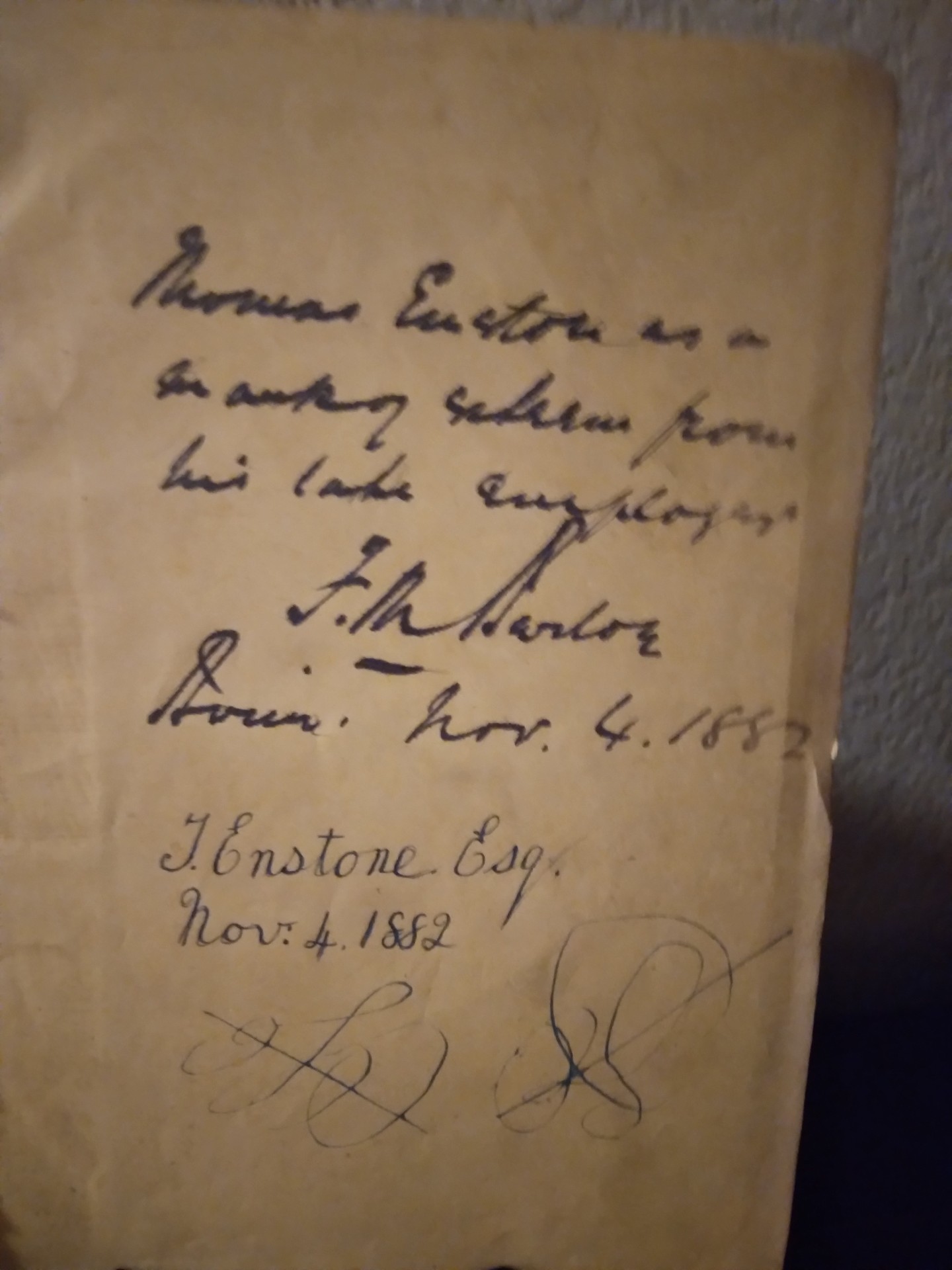
The book’s copyright date is 1882, inscribed by what looks to be F.M. Harlow to a late employee or employer, Thomas Enstone, that same year. The handwriting is difficult to read. Some poems are illustrated, such as “The Village Blacksmith.” Of course, the book sleuth in me was curious to know why a person might give this book to someone with whom they’d worked. What kind of business?

I’ve done some internet research at several points, trying to find out more about these individuals or a possible connection between them and the author. I found that Longfellow’s nephew worked with an architect named Alfred Harlow. In addition, there was a Louis Harlow, who illustrated some of Longfellow’s books. So, maybe the Harlows were related? That’s all I’ve come up with so far, but it’s fun to look! If you have any ideas, I’m interested!

Since that day, the door to the Little Free Library has come apart and been fixed several more times. But people continued to put books in there. I brought home several, although those were more contemporary. My apartment’s bookshelf space is limited, so I’ll either need to donate more of my books to the library’s little bookshop or give up literary rescues altogether!

Tea for Me!

Becky’s Teapots and Cookbooks

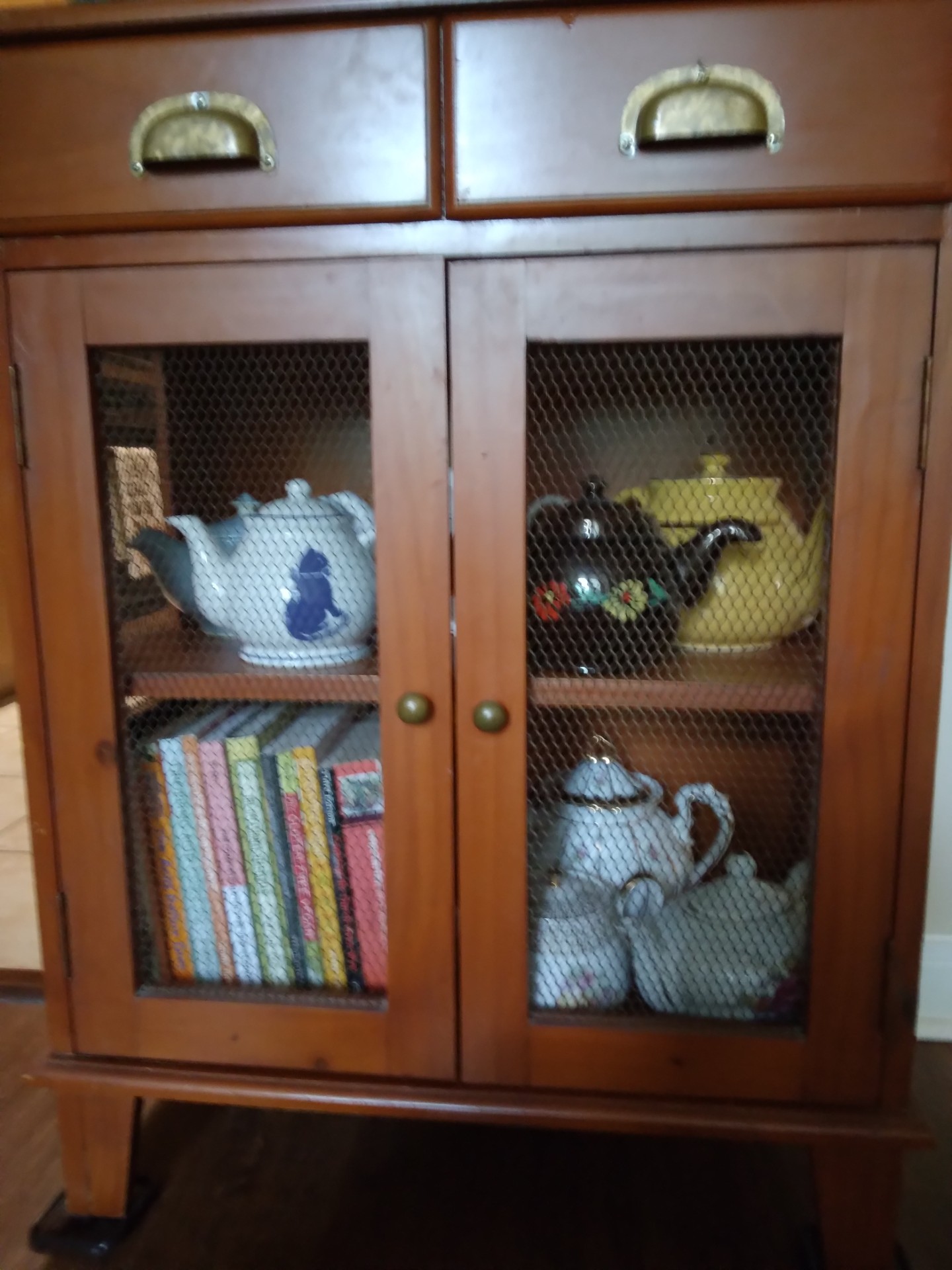
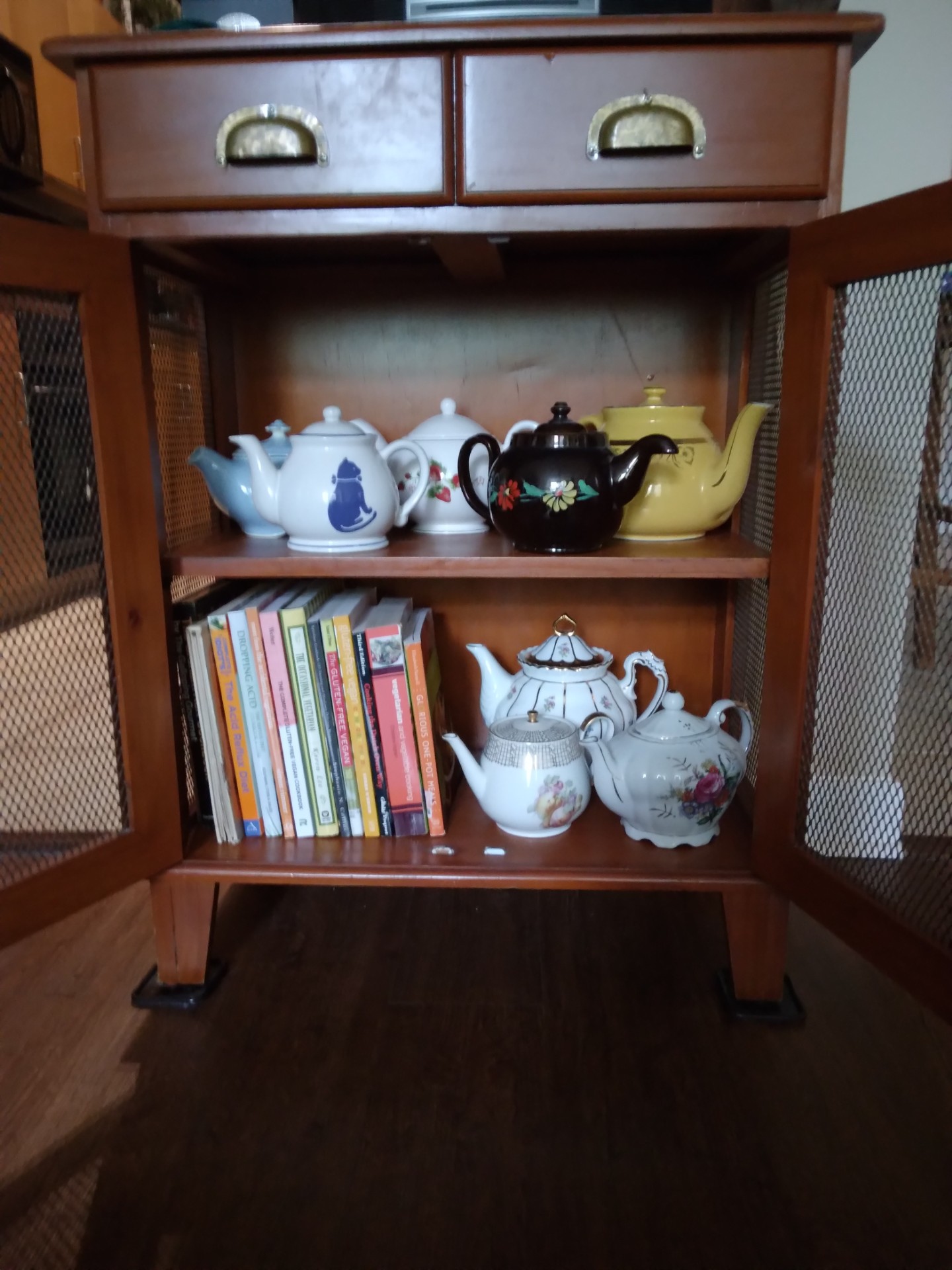
Although I look forward to my morning coffee and one extra cup in the afternoon, I also enjoy tea. My favorites include ginger, chai, and fruit teas. I love teapots and have collected several over the years. These came from grandmothers, an aunt, a former mother-in-law, a friend, and a special purchase to match a planned kitchen renovation. One of them even incorporates a music box with the tune of “Tea for Two!”

The two pots on the top right are my most treasured. The yellow/gold one came from my maternal grandmother. The brown pot with red and yellow flowers is from my paternal grandmother, who used to make cambric tea for the kids. That’s just milk, hot water, sugar, and a hint of tea, but it made me feel very grown-up.

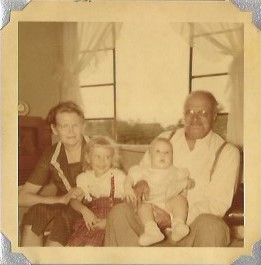
In the photos below, my maternal grandmother is pictured in California with her china cabinet off to the right. The yellow/gold teapot rests on the middle shelf. In the other photo, baby Becky and my sister, Terri, spend some time with our paternal grandparents at their home in Michigan.

I don’t often make my tea in a pot and tend to just steep my teabag in a cup. But I love having these vintage teapots to give me a cozy feeling of continuity. I keep the pictures of my grandmothers right inside the pots so my daughters will have no doubt of their importance!

Fantastic Find at the Bookstore #13: Humor in Daily Life

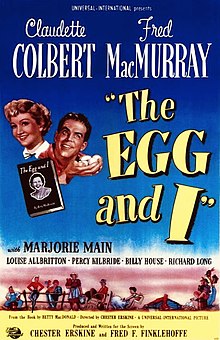
When I came across this cute vintage paperback by Betty MacDonald at the used bookstore, I recognized the author’s name right away. But this was a “new” story and a new husband! The $3.00 price tag was well worth it, and I snapped this one up without a second thought.

I became familiar with Betty MacDonald’s humorous writing through her first book, The Egg and I, years ago, in high school. I was one of the students chosen in my senior English class to take part in a regional forensics competition. Assigned to do humorous readings (not sure why), I had no clue what to present. The Egg and I had rested on my parents’ bookshelf for years without tempting me. It no longer had the dust jacket pictured below, and with just a plain green cover, it never called to me.

My mom wisely suggested I check it out for some humorous chapters. I thoroughly enjoyed the funny book about a newly married couple who lived on a chicken ranch in Washington State. Imagine my surprise when I discovered this was the origin of the Ma and Pa Kettle characters I had seen in movies! I did well in the competition, advancing several rounds, and even had to read in front of my entire (small) school at an assembly. I was very nervous, but Betty MacDonald’s entertaining words gave me much-needed confidence.

Years later, I enjoyed watching the movie on either AMC or TCM. Claudette Colbert played Betty, and Fred MacMurray played her first husband, Bob.

When I came across Onions in the Stew, I realized there was a lot more to Betty MacDonald (1907-1958) than I had ever known, and I needed to dig deeper! I soon discovered that she wrote Anybody Can Do Anything about raising her daughters as a single parent during the Depression and also The Plague and I about surviving tuberculosis. All told through humor, of course. Onions in the Stew tells about moving to Vashon Island in the Pacific Northwest’s Puget Sound with her two daughters and new husband, Don. For a taste of the humor, I’ll mention that their washing machine floats away into the Sound their first night there!

Although Betty MacDonald died much too young, from cancer at age 49, she packed a lot of living and writing into her life. She is also the author of the Mrs. Piggle Wiggle series, in addition to Nancy and Plum.

My research prompted by this fantastic find at the bookstore also placed another book in my sights, this biography by Paula Becker. I can hardly wait!

When Reading was Golden

As a child, I loved going to the library. And I definitely looked for my favorites each time we visited. But for the books we bought at the store to keep at home, Little Golden Books were the stories that made my heart sing! In fact, I loved them so much that I still collect them. The three pictured above are titles from my collection that I remember from childhood.

I grew up in a small town, so we had no bookstores or large department stores. The great thing about Little Golden Books, besides their affordable price of just a quarter, was that they were sold in grocery stores and at the local “dime store.”

Although I didn’t yet pay much attention to the illustrator or author names as a youngster, I eventually realized that I was drawn to the books illustrated by Eloise Wilkin. Her characters always wore such soft and friendly faces, as the three covers shown above.

And I also loved the Little Golden Book stories written by Margaret Wise Brown. Yes, the same author of Goodnight Moon fame!

Although my 1946 copy isn’t in very good shape, I’m proud to say that my oldest Little Golden Book, The Little Taxi That Hurried, was written by Lucy Sprague Mitchell , a child education reformer. And it’s illustrated by Tibor Gergely, whose artwork graced many other Little Golden Books, as well.

Later, in the 1970s, my own kids liked many of the Little Golden Books, too! The Monster at the end of this Book was one of their favorites. By that time, the price had gone up to $.89.

My family members know that I still love these books and help me add to my collection, on occasion. Above is a Little Golden Book I received last Christmas from my sister. We used to watch Roy Rogers and Dale Evans on TV when we were kids.

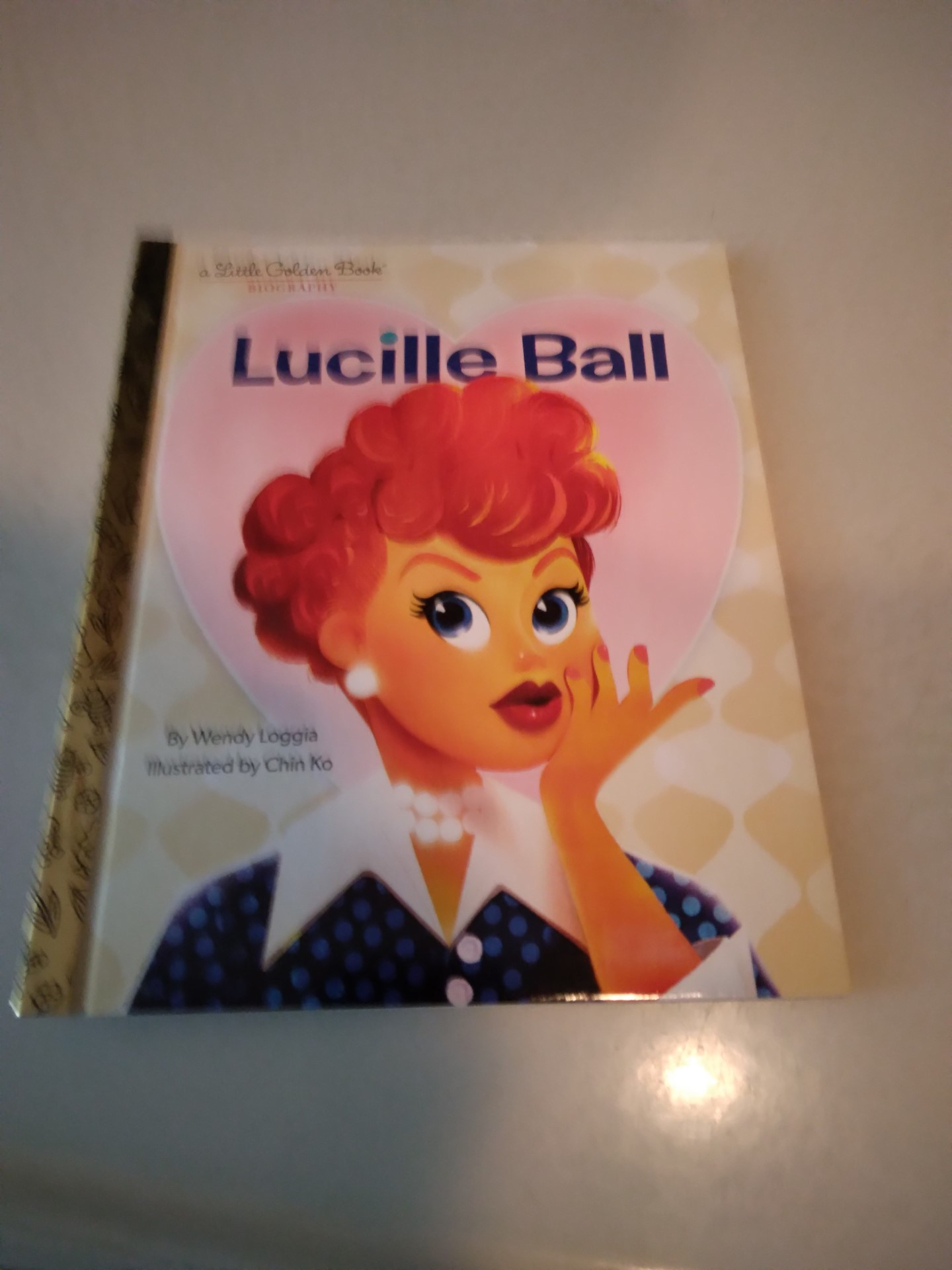
And this is the most recent addition to my collection from one of my daughters, purchased right at Target. Both my girls and I “love Lucy” and have watched many episodes together over the years!

What about you? Are you a collector? Do you have a favorite memory of a Little Golden Book?

Historical Houses as Fictional Characters

Laurium, Michigan

I have no idea about the names of the people in the photo shown above. But I know the house intimately. It was built around 1900 and had been updated countless times when I moved in over 20 years ago. The house still needed a great deal of work, and it really started to shine during the years when I was lucky enough to live there.

A kind resident of the small, Upper Peninsula town loaned me this old photo. They had known someone who lived on the street and realized I might be interested in this historical image of my house. I formed the mat around the copy of this picture with remnants of vintage wallpaper found hiding in the walls during renovations.

After mulling over my story, “Dinner for Two,” for years, I finally knew the missing piece. The house needed to play a more important part as a character, along with the man and then the woman, known only to the reader through the man’s recollections.

I’m pleased to say that my story now appears in UP Reader #6, which is published by Modern History Press! Because this just came out, I can’t share this tale with you, yet. But I’m happy to now post a story that I told you about last year…”Sumac Summer.” This is based on memories my father told me from his own childhood and was such fun to write. I hope you’ll enjoy reading about this young boy’s suspicions of a possible poisonous mistake!

Staghorn Sumac in Michigan

Sumac Summer

“Philip, why are you still awake?” Mom whispered. She carried a lantern to avoid the bright hallway bulb.

“Too hot,” I murmured, from my spot by an open window. Four brothers snored nearby. My six sisters were quiet in their room down the hall.

“A few more minutes and back to bed,” my mother warned, as she left on tiptoes.

Something outside moved from the shadows. Dr. Justin walked the path to my friend’s house with his black medical bag. Was Danny sick?

The stairs squeaked, and I dove for my pillow. I ignored the need for an outhouse visit, pressed my eyes shut, and fell into a sweaty sleep.

***

The air was even warmer when the rooster crowed the next morning.

“Looks like our next-door neighbors moved out,” my big brother, Harold, said at breakfast.

“No way. Danny’s my best friend. He wouldn’t leave without telling me.”

“When I delivered their newspaper, the window shades were still closed, and their car was gone,” said Harold.

“Dr. Justin was over there last night,” I said. “I wonder what happened.”

“I bet they didn’t move,” said my oldest brother, Ernie. “They probably got sick and died from poison, or something.” He clutched his throat and fell to the floor with a choke.

“Don’t tease,” Mom said with a frown. “Danny’s mother mentioned that his father had health problems. She said they might move closer to family in New York.”
                                                                     ***

By the end of that week, I decided Danny was gone for good. Harold reminded me it was my turn to cut the grass. I grabbed the wooden handle and gave our mower a push across the lawn. By the time I finished, the sun was high in the sky. My cheeks were on fire, and my mouth was dry as dirt.

I guzzled water at the kitchen pump and grumbled. “Why can’t we ever buy soda pop from the market?”

“Treats like that cost too much for a family of thirteen,” said Mom.

“Could we make more root beer?”

“That wasn’t cheap, either. And we had a terrible mess in the basement when a bottle exploded.”

“I have an idea for a drink,” Dad said, as he walked into the room. “It’s almost free and not messy to make.”

“What is it?” I asked.

“Sumac (‘sue mack’) juice. It’s been years since I made any, but I remember the steps.”

“Never heard of it.”

“The sumac tree’s red berries can be used to make a lemon-flavored drink,” said Dad. “Some people even call it sumac lemonade.”

I pumped another cup of water and listened.

“The family next door has gone. No one cares if we cut berries from those sumac trees between the two houses,” Dad continued.

“Guess not.” Even though the neighbors had only been gone a week, I missed Danny. He’d been my best friend and could even make doing chores seem like fun.

Dad eyed the trees through the kitchen window. “We’ll soak the berries in water until it’s pink and lemony. Sugar or honey adds a bit of sweetness. The flavor will be strongest when the clusters turn dark red. Here in Northern Michigan, we won’t see that until late summer.”

A quick look at Mom told me she was okay with his idea.  Hadn’t my parents ever heard of poison sumac? With a gulp, I swallowed the words so they wouldn’t escape from my mouth. What if Ernie was right? What if Danny’s family was poisoned? I wanted to trust Dad on this. But it might make us sick, or even worse!

When I checked outside, the skinny leaves on the short, thick trees were mixed with light green flowers. I didn’t see any berries.

Sleep didn’t come easy that night. I jerked awake. “Argh!!!” Danny and some strangers with hollow eyes and red drool on their lips visited my dreams.  Could that nightmare be a sign that sumac juice might not be safe?
                                                                             ***

Within a few weeks, little green berries appeared. They turned a rosier color each time I dared to peek at them. No words popped into my head to warn my parents they might be poisonous. I had to learn the facts before it was too late. Since it was summer vacation, I couldn’t ask my teacher. The library was the best place to start.

“Chores are done, and I’m going for a bike ride.”

“Sorry, Philip,” said Mom. “You’ll need to watch your younger brother and sister.  I’m late for my women’s meeting.” The screen door slammed before I could argue.

Paul and Eunice weren’t too heavy, and I could pull them to the library in our wagon. The shortest way took us past the blue water of the bay. If only we could trade places with the people who played in the waves without a care in the world.

The air was cooler inside the small, brick library. My sister and brother ran toward the picture books. I started my own search for adult books about trees.

“Philip Ross, I haven’t seen you here in a long time,” said the librarian after a while. “Could I help you find something?” She eyed my sister and brother. Had they emptied all those books from the shelves?

“Ah…no, thanks. We should get going.” I grabbed Eunice by the hand and Paul by the shirt. The walk back home with the wagon was even hotter, and I hadn’t learned anything helpful.

Once we got in the yard, I reached to check the trees and found blood-red berries. Some clusters were even covered with white, sticky stuff. We were almost out of time. My new idea felt scary, but I had no choice. I wiped my hands across my pants and planned for the next day.

                                                                       ***

I awoke early to a gray morning. After sneaking from the house, I steered my bike through quiet streets. I headed to the drug store, where one of my older sisters had an afternoon job. While I waited by the locked door for the owner, Mr. Keiser, I peered down the road through the fog.

Teacher told us that druggists go to college for a long time. That’s how they learn to make safe medicines. Mr. Keiser should also know which plants were safe. His tall body finally appeared from the fog. I ignored the lump in my throat and told him my problem. With a strange look, he motioned me inside the store.

“Aren’t you one of Pastor Ross’s boys?” he asked.

“Yes, sir, I’m Phil.”

“Tell me the details.”

He sat on a high stool, and I began with the way Danny and his family had vanished. I ended with my fear that Dad didn’t know the red berries were poison.

“Your worries are over,” he said. “That’s harmless sumac. You can tell by the red or purple clusters that point toward the sky. The sticky part you described has the strongest lemon taste,” he added.

“Is there a kind of sumac that’s poison?” I asked.

“Yes, but that looks very different. It has green or white berries that hang down.”

“Gee, thanks,” I said in relief, and stuck out my hand to shake his.

“Make sure you always check with your parents before eating anything that grows in the wild,” Mr. Keiser reminded me, as I turned for the door.

I flew toward home on my bike and jumped off before the wheels stopped turning. Fat drops of dew sparkled on deep purple berries. “They’re ready,” I yelled, at the back door. “It’s sumac juice time!”

***

As the sun slipped lower in the sky, I sat on our wide porch with my family. Dad filled glasses with sumac juice for everyone. Mom added frosty chunks from the large block the iceman had just brought. The drink was cool, sour, and sweet on my tongue. Everybody liked it, except Eunice, who didn’t like most things.

“Afternoon,” said the mailman, from the bottom step. Mom traded him a glass of juice for a few envelopes. He drank it and talked with my parents on the shaded porch.

Mom sifted through the mail as soon as he’d gone. She held up an envelope, written with ink. A cloud of worry crossed her face. “It’s a letter from out East,” she said and opened it. Her frown soon disappeared. “Philip, it’s from Danny’s mother. She says they left early that morning to beat the heat and apologizes for not saying good-bye.  She’ll work in her family’s store while her husband recovers,” Mom folded the page. “Time will tell, if they’ll move back to Michigan.”

“I’m glad they’re okay,” I said and turned away to hide my sadness.

“Danny sent you a note, Philip.” She raised a paper written in smeared pencil.

I grabbed it and hurried to the side yard that overlooked my friend’s old house and the sumac trees. Danny’s story made me laugh out loud. On their way to New York, he and his mother had to change a flat tire. He described the scene so well that I pictured them in mud up to their knees as they search for a dropped lug nut. Maybe I could think of a tale to send back?

I had a whopper of an idea. I’d write about a missing friend, fear of a poison potion and a tasty ending!

Bottom: Paul, Eunice, Phil, Harold. Middle: Ernie, Rev. & Mrs. Ross; other siblings interspersed

Hoping for Snow?

children playing in snow
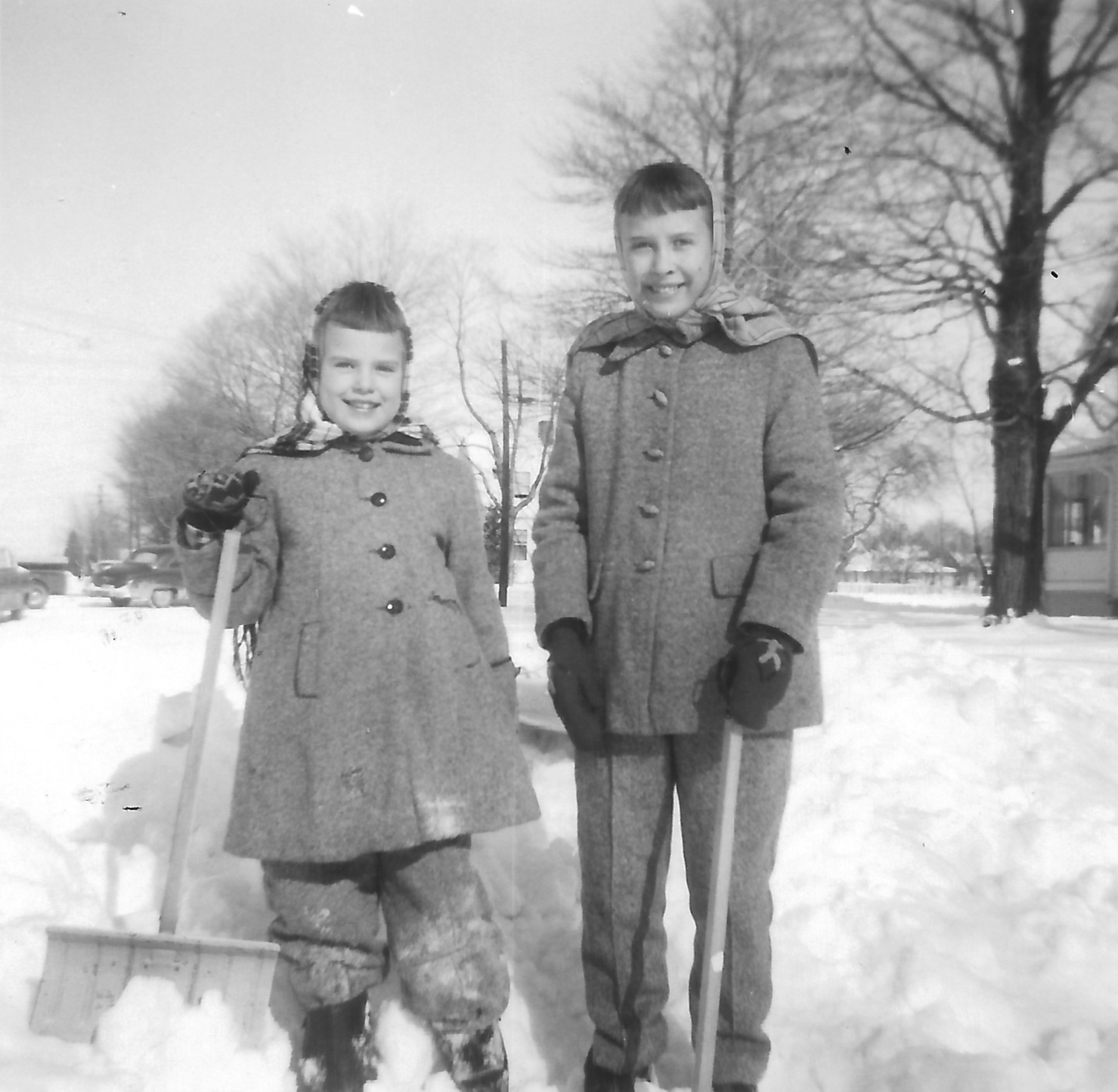
Becky and sister Terri

Growing up in Michigan, the opportunity to play in winter snow was always a given. Many years would pass, before living in the much different climates of North Carolina and now Texas, to understand how scores of children (and even adults!) maintain such strong desires and dreams for that white stuff.

In 2019, I wrote a blog post with the happy news about the anticipated publication of my story, “Welcome to Texas, Heikki Lunta,” which revolves around two children waiting for snow. To check out the history of Heikki Lunta in Michigan’s Upper Peninsula, you can read that post here.

Today, I’m excited to share my full story with you, which was first published in U.P. Reader Issue #3.

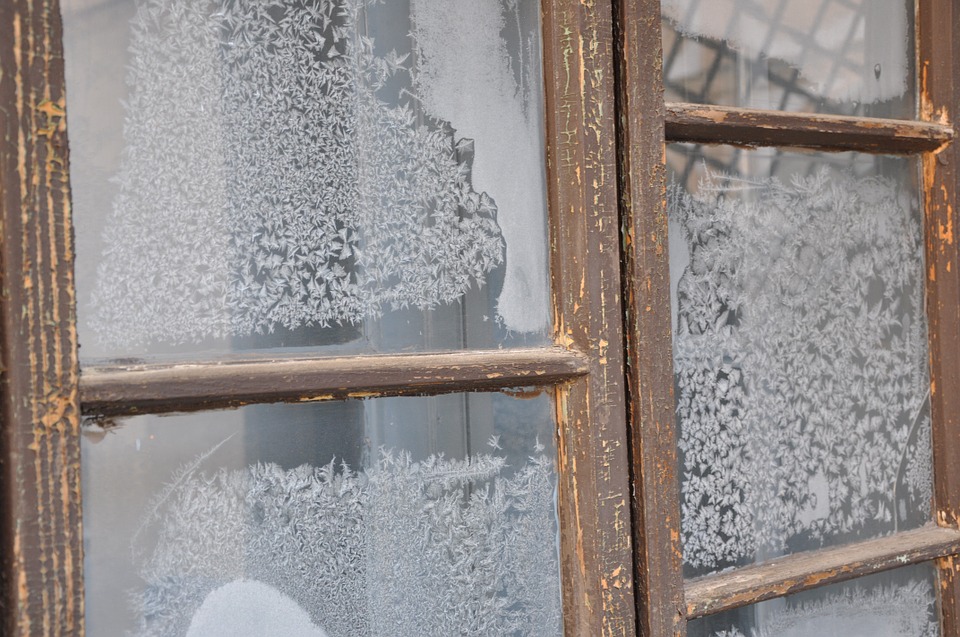
frosty window

Welcome to Texas, Heikki Lunta!

Another winter holiday passed with no snow in sight. Not one flake. That glorious white stuff hadn’t fallen on Ella and Rae-Ann’s part of Texas in years. The sisters searched the sky when cold winds blew. They peered out the windows to see what was new. Nothing.  

“We had such fun playing in the snow that year,” said Ella, pointing at a framed photo.

“I only remember making snow angels when I look at that picture,” said her younger sister, Rae-Ann.

New Year’s Day came and went. The children said ‘good-bye’ to winter break and returned to their classrooms.

***

Mom shooed two dogs away as she sliced apples and spooned peanut butter onto plates for an after-school snack. Grandma sat in the kitchen finishing her coffee.

 “Y’all come to the table, girls. And don’t let the dogs get your food,” warned Mom. With a shiver, she turned the furnace up a notch before joining the others.

“It’s sure getting cold out there,” said Grandma. “I hear that Heikki Lunta might make a visit.”

“Hay-Kee who?” asked Ella, licking peanut butter from her fingers.

Rae-Ann’s eyes stole a quick look at the back door.

“His story’s rather long,” their grandmother said.

“Tell us,” the sisters begged in one voice.

“Well, you know I used to live w-a-a-a-y at the tip-top of Upper Michigan,” Grandma began.

“I sort of remember visiting you there,” said Ella.

“That was summer. You have no idea what it’s like in the winter.”

“Lots of snow?” asked Rae-Ann.

“Tons,” nodded Grandma. “The snowbanks grow taller than people. Schools sometimes close for a week at a time because of the blizzards.”

“Wow!” Ella exclaimed. The dogs cocked their heads to the side, listening.

“What does that have to do with this Heikki Lunta?” Mom asked.

“Quite a few families in Northern Michigan came from a far-away, snowy country called Finland,” said Grandma. “Many years ago, those who lived in Finland shared stories called ‘myths,’ just like most ancient people around the world.”

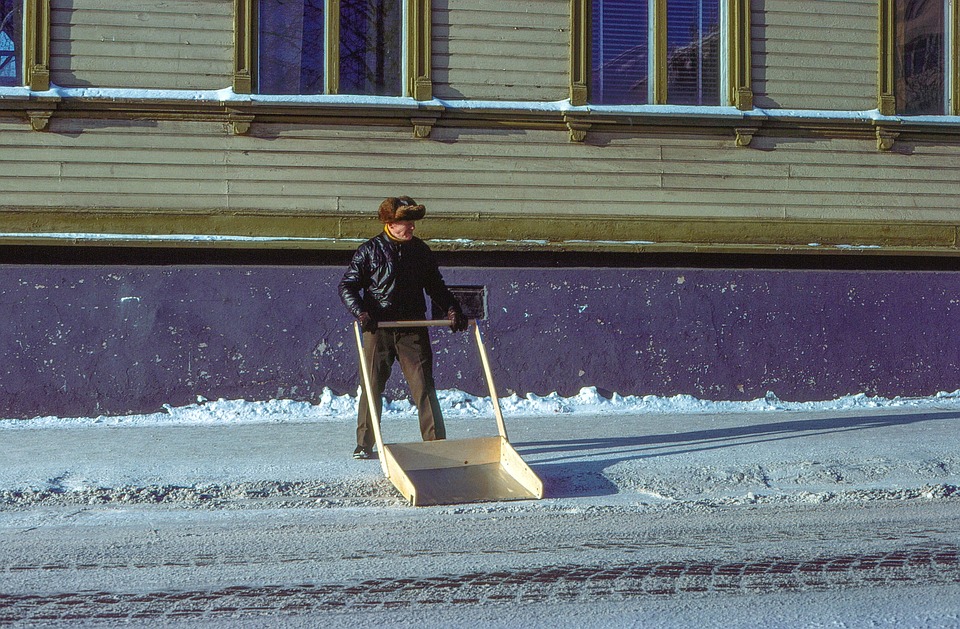
Scooping Snow in Finland (Pixabay)

“I learned about myths in school,” Ella said. “Those are made-up stories that explain how things work or got started. We read about how the elephant got its trunk.”

“Exactly,” said Mom. “And you’ve both seen a movie about Hercules, which is also a myth.”

“That’s right,” Grandma said. “Many of those stories include gods and goddesses. ’Heikki Lunta’ is like a snow god from Finland. People who live in Upper Michigan often talk about him in the winter when they’re hoping for snow. Hotels and restaurants looking for visitors to the area even put up signs saying, ‘Heikki Lunta, do your thing.’”

“Did you ever see him?” whispered Rae-Ann.

“He’s just pretend,” Ella reminded her younger sister. “Grandma, why did you tease us and say he’s coming here?”

Mom and Grandma exchanged knowing looks.

“The weather report says we might get a bit of snow tonight or tomorrow,” Mom answered.

Her daughters’ smiles reached from ear to ear.

Make it snow, Heikki Lunta, make it snow,” sang Grandma, when it was time for her to leave.

***

When Dad returned from work, the sisters rushed out to his red pick-up truck and told him about the forecast. After dinner, they drew pictures of their neighborhood covered in snow. At the bottom of hers, Ella wrote, “Please send snow Haykee Loonta.”

The girls welcomed bedtime that night. Ella left her blinds open in hopes of seeing some flurries. In another room down the hall, Rae-Ann was excited and just a little nervous. She peeked through long lashes at her bedroom door before falling asleep.

While she slept, Rae-Ann imagined someone like Hercules. He wore a heavy white coat with its collar turned up against the cold. Ella dreamed of a man with long gray hair and beard, who was dressed in a flowing blue robe. Wind and snow swirled around him. Heikki Lunta?  As the whole town slept, dark clouds gathered and delivered a bit of magic.

                                                                     ***

At the sound of Dad’s pick-up leaving in the morning, four eyes popped open wide. Rae-Ann and Ella ran to their windows and cheered at the sight of powdery snow on the ground and glistening flakes in the air. The time said 9:00. Why had their parents let them sleep so late?

“You’re taking a snow day,” Mom explained in the kitchen.

“School’s closed?” asked Rae-Ann.

“The roads are quite safe, according to the radio. We don’t get snow very often, so Dad and I decided to let you stay home and enjoy it.”

 “Yay!” both girls cheered, as they ran to get dressed.

“A warm breakfast comes first,” Mom yelled up the stairs. “Then we’ll hunt up our wooly hats and mittens. You’ll need to wear your snow boots and not just those ropers.”

***

dogs in the snow
Dogs Surprised by Snow

Light snow continued to fall throughout the morning. The three stomped trails in their backyard and built a small snowman. Ella and Rae-Ann lay down and flapped their arms to make snow angels. Their happy dogs rolled near them on the frosty ground. While watching their fun, Mom picked a torn section of blue fabric from a nearby bush.

“Maybe Heikki Lunta really did help us out,” Ella said with a secret grin, at the sight of the blue material. “Does Grandma know about the snow?”

“I’m sure she does,” said Mom. “Let’s pick her up for a snow ride.”

“What’s that?” asked Rae-Ann. “A car drive on the snowy streets?”

“It’s mostly melted from the roads. I’ll phone her to say that we’re coming, and then I’ll show you my idea.”

Ten minutes later, the laughing trio arrived at Grandma’s apartment building. When she slid into the front seat, she saw what was causing their excitement. Sparkling snowflakes floated into the car from the open moon roof.

Mom pulled back onto the street. People up and down the sidewalks turned in surprise. Echoes of four voices drifted through the winter air, “THANK YOU, HEIKKI LUNTA!”

snowman
Texas Snowman

Come to School with Me!

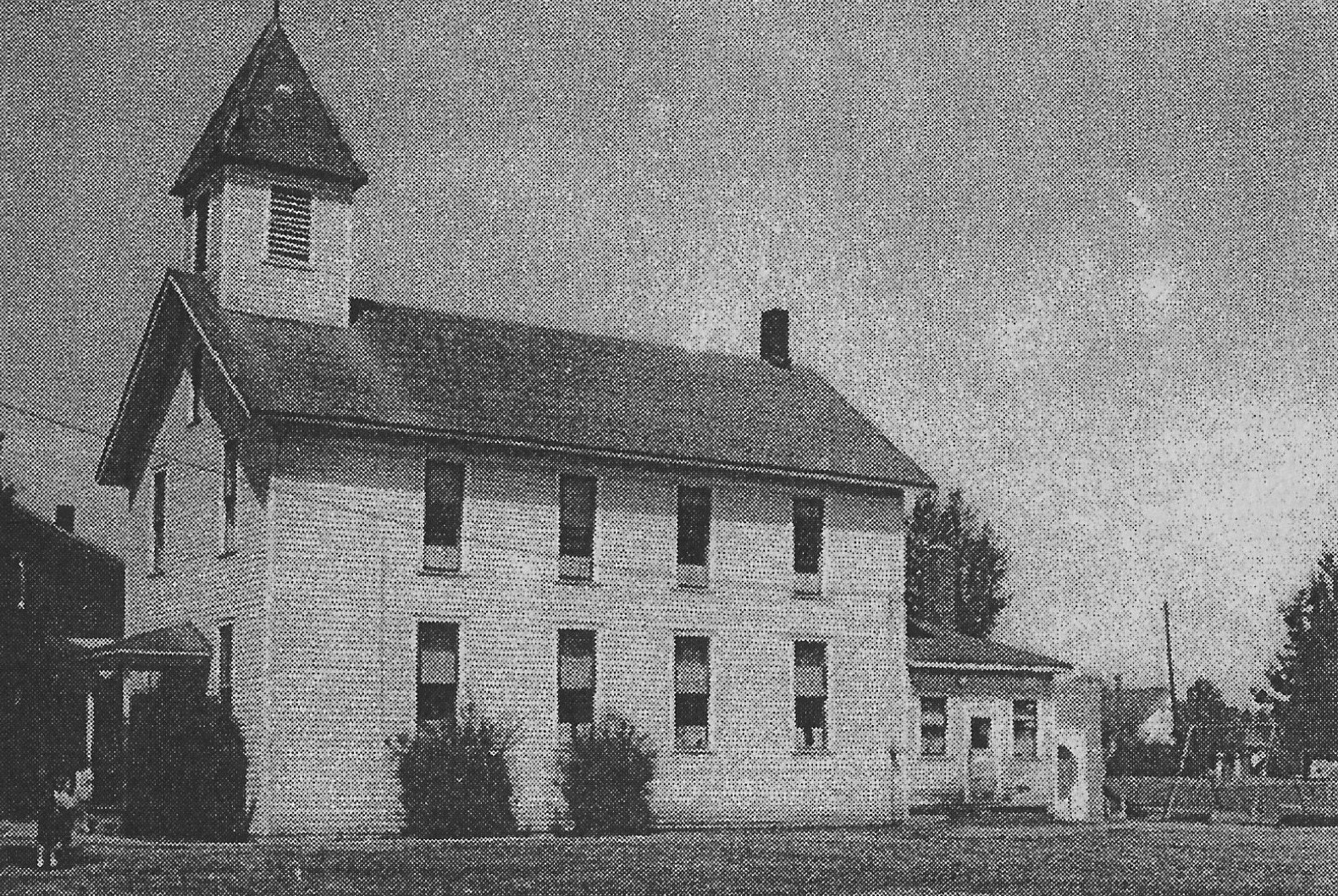
During the school year when leadership in the U.S. changed over from Dwight D. Eisenhower to John F. Kennedy, I was a 3rd-grade student on the top floor of the school pictured, above. Already outdated by standards of the day, my building held dark, steep wooden stairs leading up from the first floor and a bell rope hanging over the stairwell, for some lucky kid to pull and dangle from while announcing the start of the day. A chilly cloakroom stood at the top of the stairs, and the classroom was furnished with the old sleigh-style wooden desks, fashioned with inkwells where bottles of ink had once rested.

That same year, some changes had taken place in the leadership of our school, as well. We had a new teacher! Miss Spaude was special for many reasons, I am certain. But the most obvious difference her students noticed right away was that she was bald! This teacher is my favorite and most memorable from elementary school, and I have incorporated her into several of my written works. Happily, my rhyming story, “Miss O’Blair Has Lost Her Hair,” is now published at Storyberries! I hope you will enjoy reading it (for free) as much as I enjoyed writing it, while walking down “memory lane.”

I would like to thank Sue Clancy, writer and illustrator extraordinaire, for the information she generously shared on her blog about Storyberries.

I hope you enjoy the visit to my old school through this post and in the linked story. Just several years after my tale was set, a more “modern” brick building was erected next to this one, and my white frame school was leveled. I felt very sad about that, and I like to keep the memories alive through my writing!

Wearing My Editor’s Hat!

As many writers have found, just having more time to work during the pandemic doesn’t necessarily make one more productive. That’s the case for me. So, in efforts to stay busy and earn some money while I’m at it, I’ve taken on many editing projects. In fact, I’ve completed around 100 manuscript edits since March.

Many of my projects have been children’s picture book edits, while others have involved middle-grade fiction and short stories for adults. I found most of these opportunities through online platforms that match freelancers up with clients. The feedback I’ve received from my clients has been very positive, which I find to be quite rewarding. I’m also excited to say that several of the books I edited are now published, such as the following:


I haven’t given up on personal writing and still attend my critique groups online. I’ve also completed several writing projects through these freelance platforms, as well, such as non-fiction articles, blog posts, and children’s leveled readers. All of this has given me something to work toward each day, which you all know can be a struggle right now!

In addition to communication with family and friends, my balcony gardening (and the challenge of the intense Texas sun!) also keeps me grounded. I finally took the plunge and purchased a fountain for my small outdoor space, which I love dearly. It’s no replacement for the Great Lakes, Atlantic Ocean, or St. Mary’s River, but it’s my little piece of heaven.

Lovely Sounds of Water

Leaders of the Pack

Lake Superior in Upper Michigan

While living in Upper Michigan, I had the opportunity to observe some rather unusual wildlife, including foxes and black bears. At times, the experiences felt a little too close for comfort!

An early spring walk near a Lake Superior beach offered one such encounter. A face-to-face meeting with an indeterminate species brought about a rather humorous situation, which I recently chronicled in my short story, “Much Different Animal.” I’m happy to say that my tale now appears in the U.P. Reader Volume 4!

The book has stories and poetry by authors who live in the Upper Peninsula or who, like me, have ties to that beautiful area. I asked those interested in winning a copy of this book to let me know in the comments. Out of a shoebox, I drew Maria Donovan at Facts and Fiction as the slip for the lucky winner! Thanks to all who entered, and I’ll be sure to post the story as soon as the rights revert to me.

Finally, with the title of this post, I just couldn’t resist the following video:)