Moving into the Future

The Jetsons’ Rosie the Robot

Another June arrived much too quickly, bringing a new opportunity to dog-sit for several of my fur grandbabies. Hazel, the large, elderly boxer, isn’t as much of a challenge these days. But the active min pinR-threesome” – Rubble, Remi, and Reign – can be a handful. We make countless backyard visits, followed by countless reward treats. And yet an occasional potty accident still follows. They probably spend too much of their outdoor time peering under the fence at the dog next door, chasing butterflies, and lying in the sun instead of taking care of their potty business. But all the dogs are fun and affectionate, and they love to snuggle.

This time, I had four Rs to contend with. An entirely new challenge had entered the equation: Roomba. My daughter, son-in-law, and I discussed it. They could have just disabled the sleek, round cleaning robot for the time being. But for a long vacation, I would feel compelled to do some floor cleaning under my own steam. Although I often resist change and was tempted to stick with a broom, dustpan, and mop, I took the plunge, chose Roomba, and took part in a focused training session. Upon completion, I felt confident that I could do this!

Once on our own, we started out fine. I knew the pre-programmed times. Around 8:00 AM, the robot would clean the front rooms, and closer to noon, it would make a clean sweep of the other downstairs rooms. The dogs willingly waited in their crates with the promise of a treat. Daily, I moved any small items that could get in the way, refilled the water compartment, and washed the cleaning pad. Roomba’s voice announced what I had accomplished, then did its thing at the preset times. I slipped a bit when I occasionally forgot to refill the water. No problem. The Roomba would still dry-clean the floor.

I have been known to chuckle at people who carry on conversations with their Alexa or name their ChatGPT “assistants.” But I caught myself talking to this spinning sphere, which I now called “Roamy.” It was like having an additional critter in the house.

Imagine my dismay, late one morning, when I realized Roamy hadn’t completed the cleaning cycle and was nowhere to be found. Could the robot have made it upstairs? Or did it get out somehow when the dogs and I were going into the backyard? Feeling silly, I called its name and, of course, heard no reply. I eventually found the dark disk sitting silently in a corner of the office, not far from its recharging station. It wasn’t hiding, but stuck! I must have moved that corner chair out of position, making the over-achieving orb “think” it could clean back there and get out safely. But no. That didn’t work, and I had to rescue Roamy from its predicament.

And then there was the time Roamy didn’t appear at the assigned hour, and I discovered I had closed the office door. By the time I realized this, the resolute robot had returned to its station. But I pictured it, knocking its determined plastic body against the door, trying to force its way through. Had it called out to me in despair?

But I still faced the biggest challenge yet. One day, soon after virtuously refilling the water, rinsing the pad, and removing some hair twisted around the brushes, Roamy successfully made its rounds on the floor. But then, not much later, the diligent disk detached itself from the charging station and made another round. Maybe I misunderstood my training, and the scheduled times varied by day of the week? Never mind. I redirected the surprised dogs so they wouldn’t interfere and let Roamy do its thing. No problem, or so I thought.

But then, the whole cycle restarted just an hour or two later! There was Roamy, rolling across the floor again. I was getting tired of having to move my feet from under the dining table, where I sit to write and edit. But Roamy was gently nudging my toes out of its path. By the end of the day, I lost count of how many times this confused contraption had made its circuit. I was having trouble concentrating on my work. Something had to be done.

I didn’t want to bother my vacationing family with what should have been a trivial and easily resolved issue. I turned to Google. The only possible answer I found was that I accidentally hit the clean/power button during my part of the device’s maintenance and had confused it. The suggestion was to push and hold the button to reboot. I had nothing to lose, took a deep breath, and pressed the button. I wouldn’t know for sure until the next morning whether I had interfered with or blanked out the set times. Just in case, I closed the office door so the robot wouldn’t roam around the house during the night!

Much to my delight, at 8:00 the next morning, I heard Roamy’s cheerful voice and familiar whirring sounds heading my way. My plan had been a success. All was right with the world. Maybe I CAN roll with the times and move into the future!

As I earlier said, I often resist change, but a major transformation awaited me just around the corner. Later in June, I left Frisco behind and moved to New Braunfels, in Texas Hill Country. There’s no robot waiting to help with the cleaning, but several of my other fur grandbabies (both canine AND feline) will keep my life interesting!

Thanks, Pixabay!

Fifty Ways…

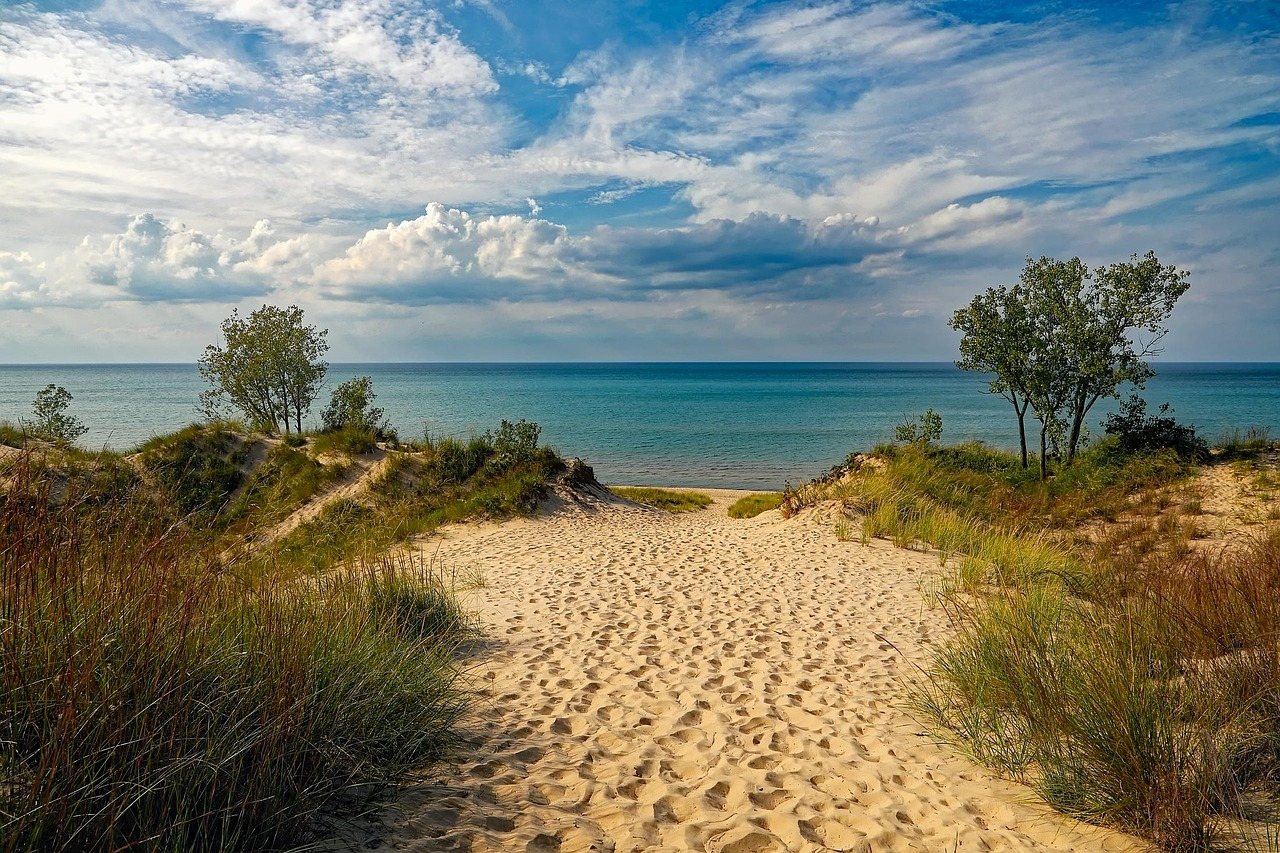
Lake Michigan Image from Pixabay


Fifty Ways

The problem is not inside your head, you see,
The answer is easy if you take it logically.
We need ideas in our struggles to be free…
There must be 50 ways to love our Earth more.


Now look, it’s really not my habit to intrude.
Furthermore, I hope my meaning won’t be lost or misconstrued.
But I’ll repeat myself at the risk of being crude,
There must be 50 ways to love our Earth more.
At least 50 ways to love our Earth more!


You just plant some new trees, Bree,
Vote a new plan, Fran,
You don’t need to be coy, Roy,
Just set the Earth free.


Hop on a bus, Gus,
We need to discuss much,
Just pick up the trash, Nash,
And set the Earth free.


Ooh, plant some new trees, Bree,
Vote a new plan, Fran,
You don’t need to be coy, Roy,
Just set the Earth free.


Hop on a bus, Gus,
We need to discuss much,
Just check out these ways, Blaise,
And set the Earth free.


You know, it grieves me to see the Earth in so much pain.
But here are things we can do to make it smile again.
And so, please click here for the 50 ways to love our Earth more.


Then, you can just sleep on it tonight,
And I believe in the morning, you’ll begin to see the light.
Breathe deeply, and you’ll know that this is right…
There must be 50 ways to love our Earth more.
At least 50 ways to love our Earth more!

Thanks for checking out the ideas at the link above on Earth Day or any day! And thanks to Paul Simon for the lyrics ideas:)

Fantastic Find at the Bookstore #14: Two Sides of Shirley Jackson

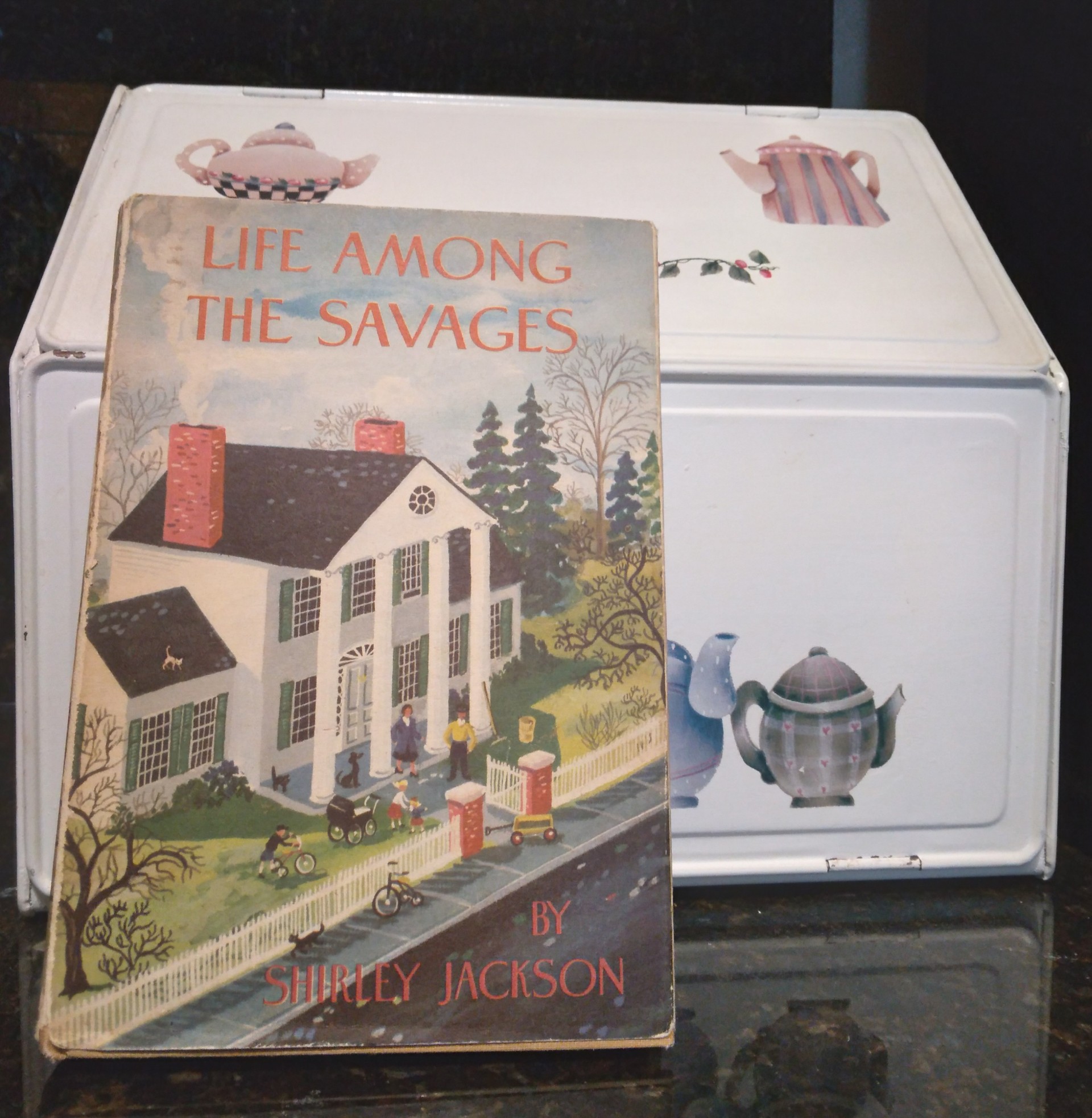
I picked up this book in a used bookstore in Michigan about 25 years ago. It was the charming artwork on the dust jacket that drew me in. Such a lovely family scene. It wasn’t until later that I put “two and two together” about the author, Shirley Jackson!

My first experience with media related to Shirley Jackson was watching the black-and-white movie version of her book The Haunting of Hill House. I was in high school and had come home early from a weekend date with a high temperature. I lay on the couch and watched the only thing that looked interesting on our two available TV stations. The movie, The Haunting, was definitely creepy, and I usually like non-bloody scary movies. Or was it just my temperature and fatigue making me feel somewhat delirious? No, my mom thought it was too creepy, and she went to bed. I watched through my fingers until the sinister ending.

Years later, in college, I read her famous story, “The Lottery,” and wrote a paper (on an old standard typewriter) about The Haunting of Hill House. I also sampled other stories from her collections. Psychological horror and literary suspense at their finest! I loved her writing. So where did Life Among the Savages fit in? I needed to know more!

I discovered that Shirley Jackson was married to a college professor, and they raised four children, with much of that time spent in the house depicted in the stylized art on the dust jacket. Shirley Jackson was a not-so-typical mother of the 50s, trying to raise kids AND to contribute significantly to the family income. It wasn’t all “fun and games.” Just beneath the surface of her amusing tales, we sense a woman on the edge who struggles to reach her writing goals while caring for a home and children, with a husband who offers little help or true emotional support. Shirley Jackson certainly had a dark side. She often dealt with anxiety and a sense of exclusion. But she wrote delightfully about the chaos of family life. For me, she’s right up there with close contemporaries, such as Betty MacDonald, Jean Kerr, and Erma Bombeck.

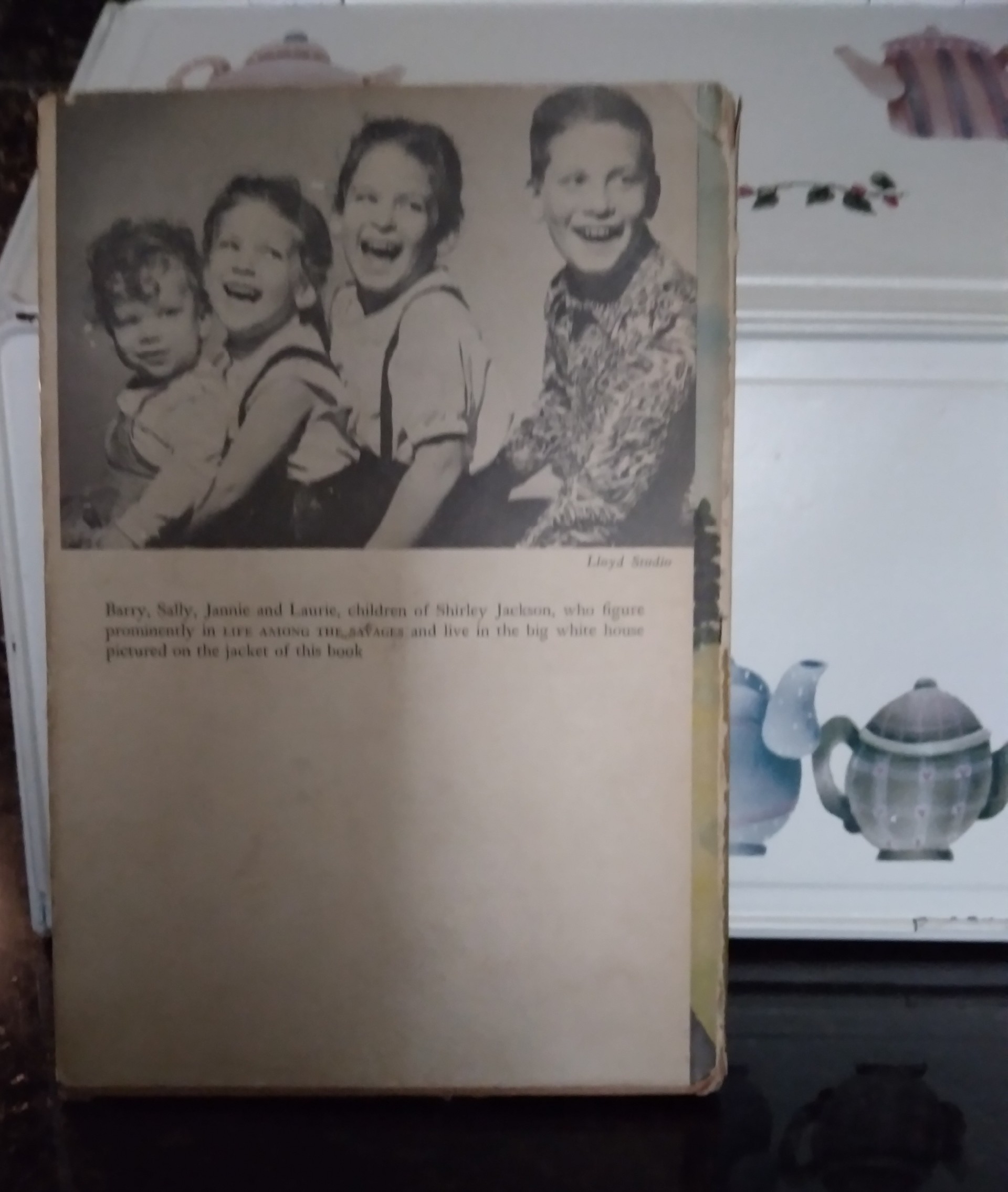
One of Shirley Jackson’s well-known stories, titled “Charles,” is incorporated into Life Among the Savages, and I used that story when I taught middle school language arts as a wonderful example of irony and foreshadowing. If you haven’t read it, you can check that out here! Her children are shown below on the back of the book’s dust jacket. I have since learned that she also wrote a follow-up book called Raising Demons.

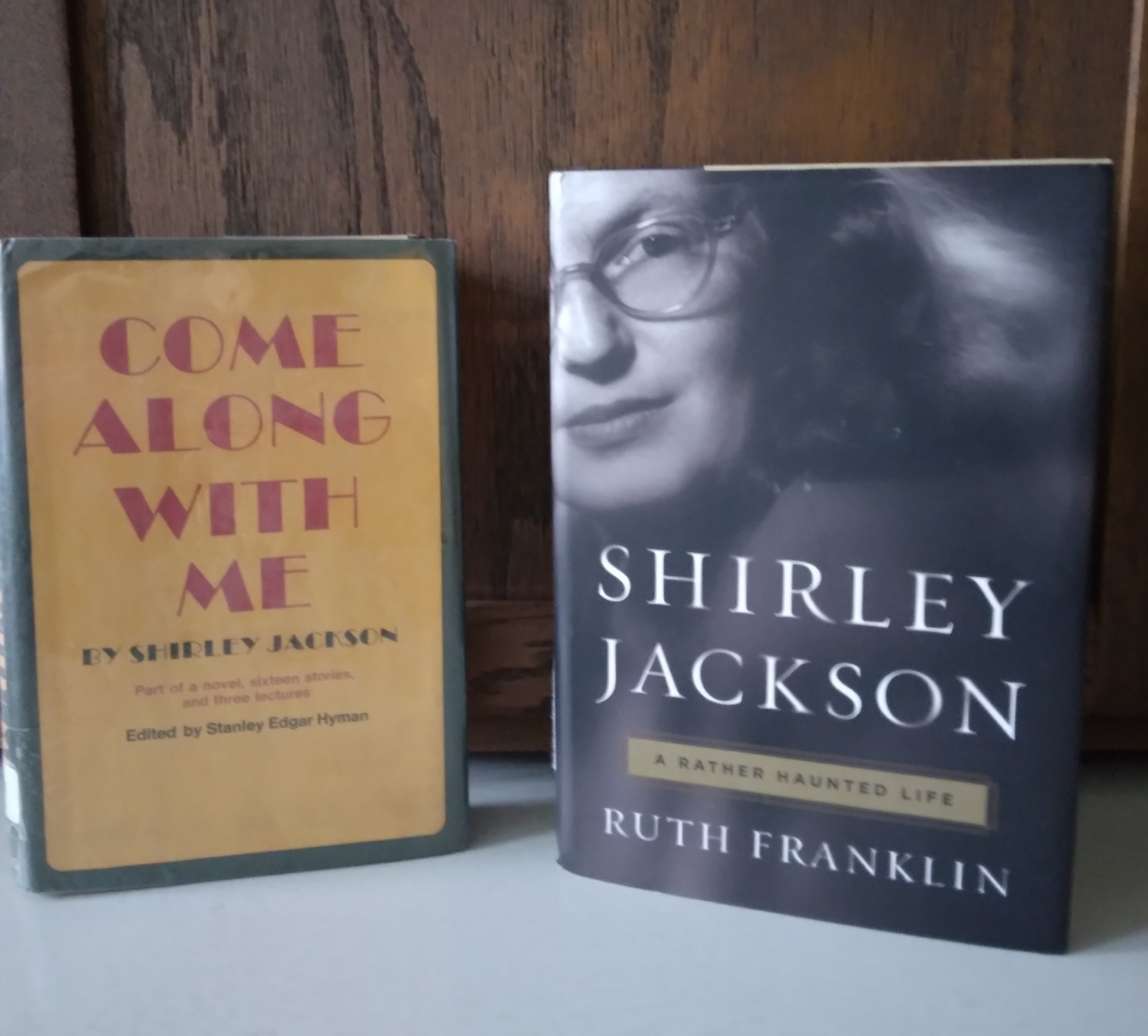
Over the years, I was always on the lookout for anything by Shirley Jackson. One summer, I went to the annual library used book sale in Sault Ste. Marie, Michigan, and was excited to find the book Come Along With Me. Pictured below, it contains lectures about writing, an unfinished novel at her death, and short stories, including “The Lottery.” It was edited by her husband, Stanley Edgar Hyman. What a find! The other book, Shirley Jackson: A Rather Haunted Life by Ruth Franklin, is a new, exceptional biography that my sister gave me, knowing my interest in the author. When I reached the last page, I felt that I knew this complex, eccentric, and often misunderstood woman. And I could see how this talented author delved into malice, cruelty, and terror while also skillfully spinning humorous stories about everyday life!

Sweater Weather

Rubble, Reign, Hazel, and Remi

The weather has finally turned chilly here in North Texas. But it wasn’t that many weeks (days?) ago that the temps were still quite toasty. Here’s a little story I wrote about one of those days.

All Safe Inside

The air around us is suffocatingly hot, close, and still. A weak light wobbles in my hand. Smells of doggie breath, spit, and sweat assail my nose. Three of my four charges take turns panting and barking. The fourth snarls and tries to rip apart the small dog bed on the floor. Beyond our confined space, all noises are muffled and faint. I feel my heart beating in my sore teeth. And then a text lands on my phone.

EARLIER THAT DAY…

“Go potty!” I said, opening the door to let my four fur grandbabies into the backyard. Hazel, the senior boxer, immediately lay down in a patch of sun. Rubble, Remi, and Reign‒the three miniature pinschers‒sprinted away to the far corners of the fenced area.

After watering thirsty plants, I sat on a lawn chair, thankful for the beautiful day. The sky was deep blue, with a few cottony white tufts. A gentle breeze cooled my skin. I heard a lawnmower next door, and soon, the smell of newly mown grass wafted over the fence. One of the min pins zoomed past. Dog sitting for that pack kept me on my toes and made the week fly by.

“Go potty,” I reminded the dogs, noting they were more interested in napping or chasing toads, butterflies, and bunnies. Unexpectedly, I heard faint chirps and looked above at the improbably small barn swallow nest. The mud structure was secured under a corner of the back porch overhang. An adult bird swooped in for feeding time. Popping above the edge of the nest were three tiny bird heads, their beaks opened and waiting. Quite a show.

With closed eyes, I listened to the relaxing sounds of the pool’s fountain. I hadn’t brought my suit but considered coming back out later to cool my feet in the water while I read. My smile soon turned into a frown when I felt a slight twinge in my teeth. A recent visit to the dentist had provided no resolution, except for another appointment scheduled for several weeks later.

Just then, I got a call from my vacationing daughter. She asked about the doggies and mentioned seeing that severe weather was expected in the area that night. I know Texas storms can be extreme. I reassured her that I wasn’t worried and would remain weather-aware. I urged the dogs back indoors, promising treats for those who obeyed. Rubble was often the holdout, spending extra time moseying around the perimeter of the yard for anything he missed on his initial patrol of the area.

The rest of the day got away from me, between the dogs and the editing work that always accompanied me on the laptop. Before I knew it, the clock said it was past time for the dogs’ dinner, followed by their last potty break. When I opened the door, I realized the weather had turned. The temperature had dropped, and a strong wind blew. In the sky, angry dark clouds raced across the face of the moon. The baby birds were quiet for the night, and I was happy for the protection they had within their nest. I encouraged the puppy potty party of four to go out and do their business quickly.

“Inside!” I told the dogs as soon as they’d gone potty, promising them treats if they quickly followed my command.

Back in the house, I remembered the blue betta swimming lazily in its fishbowl and sprinkled a few food pellets into the water. I closed the blinds and got ready for bed. Rain spattered the windows. Before long, Hazel lounged on her large dog bed, and the three min pins were up on the bed with me and my book. Suddenly, the shrill blare of weather warning sirens sounded!

Like in my nearby town, that alert meant a tornado or large hail with high, destructive winds. I would take no chances and felt a strong responsibility for my daughter’s dogs. Grabbing my phone, flashlight, and a handful of dog treats, “Come! Treat!” I announced. We headed for the storm shelter, solidly set in the hot garage. Of course, Rubble, being Rubble, needed to make several passes inside the garage before he joined the others in the small shelter. I turned on the flashlight, closed the door, and sat on a low stool. That’s when all heck broke loose. No, not weatherwise. In fact, I could barely hear the wind and the faint pelting of hail. The problem was with the dogs!

As the confused canines tried to make sense of their surroundings, I already wondered how long we’d need to stay in that sweaty torture chamber. Remi and Reign nipped at each other, trying to run around in the small space. Hazel barked loudly, sending her odiferous breath directly into my face. And a snarling Rubble took over the small pet bed on the floor‒not to lie down but to try and rip it apart with his teeth. Time stood still.

RIGHT NOW…

My phone buzzes with a timely text from my daughter. “Just checked the radar for your area! Are you okay?” I assure her we are ALL safe in the storm shelter (except the fish…oops!). “There’s a fan in there,” she adds.

I shine my flashlight into the dark corners, and there it is, right next to me. My savior. I turn on the fan and pick up Rubble. He sits on my lap, whiskers facing into the surprisingly cool breeze. Rubble is suddenly quiet and content. The other three follow his lead, lie down, and go silent. I check my phone for a weather update. My toothache recedes from a steady throb to an occasional twinge.

Tomorrow, the sun will return, and I will start my second day of dog sitting. I can do this!

Literary Rescue

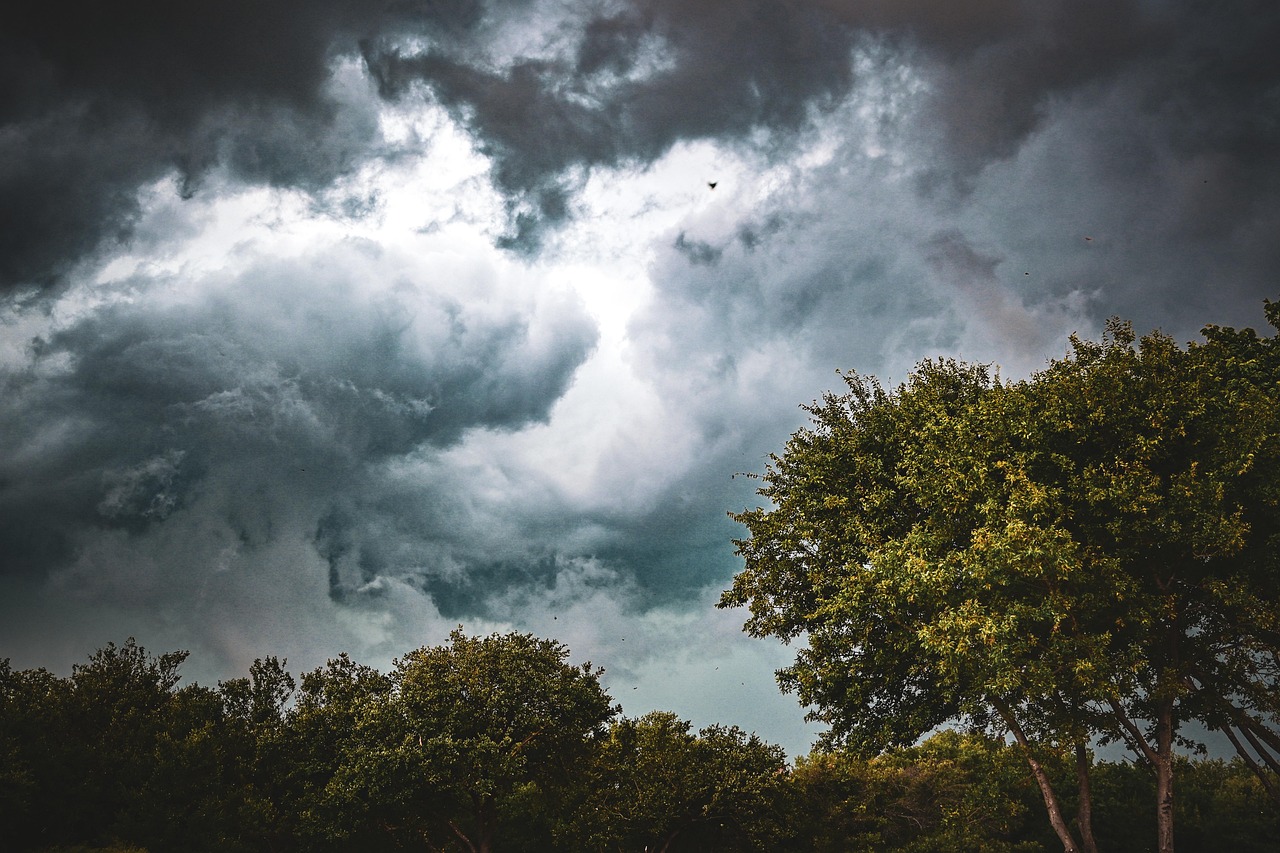
Blue Norther in Garland Texas – Pixabay

In the past, I’ve had the privilege of rescuing several animals to adopt and save them from an uncertain future. I’ve also rescued plants heading for the compost pile, nurturing them back to health. But a type of mission I’ve accepted that is not as widely appreciated is the literary rescue!

You might ask, “What’s a literary rescue?” First, let’s look at what it is NOT.

As a teenager, I had my first sleepover with a friend I had known since elementary school. We had fun paddling a rowboat around the shallow inland lake across from her house. However, after dinner, we were told that my friend had to put in her hour of daily piano practice. What to do? I wouldn’t attempt the boat alone. And they lived on a country road, so I wouldn’t go walking around. I didn’t want to sit in the living room and stare at her parents (or have them stare at me). My only option seemed to be waiting in her sparsely appointed room. Then what? An hour with nothing to do can seem like an eternity to a teen.

Luckily, I discovered a small shelf filled with books in the corner of her room. These were old books, mostly without dust jackets, to provide clues about their contents. I grabbed one named Claudia because it was a girl’s name and started reading. The story was about a young, recently married woman who was not yet far beyond her teenage years. I was captivated. The sounds of piano music in the background faded away.

When my friend finally returned, I showed her what I’d been reading. She informed me that “all those old books” used to belong to her mother, and the girl didn’t like most of them. I’d started reading one and asked if I could borrow it and finish it later at home. She agreed and wrote her name inside. I thoroughly enjoyed the book. I hated to let it go. Months turned to years. About a decade later, I discovered Claudia was the first book of a charming series by Rose Franken. I’ve now read them all. I meant to return that book to my friend and maybe tell her how much I liked it. However, I never did, and I have now lost track of her. Sorry, Marilyn!

Did I actually “rescue” that book? Probably not. Because I kept it intentionally, some might say it was a “booknapping” rather than a rescue. And I doubt anyone in the family would have burned or thrown those vintage books into the trash anytime soon. But it certainly was a lucky, long-term borrow on my part!

A few years later, the summer I graduated from high school, I donned my bathing suit and walked to the local beach one afternoon. This wasn’t the park where all the teens hung out but a small, quiet affair where parents were more apt to take their little ones. I just wanted to get some sun and fresh air while enjoying the book A Summer Place by Sloan Wilson.

Engrossed in the story, I tuned out the few beachgoers around me and didn’t realize at first that the sun was no longer reemerging from behind the clouds. I finally noticed the chill and the appearance of goosebumps on my bare arms and legs. Deciding I should head home in case rain moved in, I put my book aside in the sand, threw my pop can (yes, we called it pop in Michigan) in the trash, and folded my blanket, stuffing it into my beach bag. I quickly set out for home.

A few blocks in, I realized I’d forgotten to pick up my book! The sky still looked ominous, but I retraced my steps. As I drew closer to the beach, I saw my book was nowhere near where I had left it. But I circled the narrow strip of sand, thinking maybe I had been wrong about the location. And then, I spotted it. A young mother tightly gripped my copy of A Summer Place as she rounded up her raucous bunch of kids to leave. Being the introvert I was (and mostly still am), I didn’t say a word and turned back toward home, feeling disappointed. Okay, I knew how the story ended because I’d seen the movie starring Sandra Dee and Troy Donahue. But I would still check it out from the library sometime to finish reading it.

Had that person “rescued” my book? She might have thought so (hello, woman from the beach; I hope you enjoyed it!). But I went back for my book to protect it from the elements, so I say it doesn’t qualify as an actual rescue on her part.

Years later, when I was teaching fourth grade in Michigan’s Upper Peninsula, an elementary school in a nearby county closed down. Their entire library of books was up for grabs. Many of them were brought to our school for teachers to select for their classrooms. Of course, many were old copies of familiar chapter books, such as those by Beverly Cleary. But they certainly added to this new teacher’s classroom library. My heartbeat raced when I saw two picture books by Swedish author and illustrator Maj Lindman. Her bright “Flicka, Ricka, Dicka” and “Snipp, Snapp, Snurr” series about two sets of triplets were my favorites as a child and the first ones I looked for at the library. Although the characters might have looked a bit younger than fourth grade, I would enjoy showing my students examples of books I had loved as a child. I grabbed one from each series.

When I moved away and left my job at that school, I dreaded leaving those books behind. I imagined the new fourth-grade teacher dumping anything outdated or what they considered overly young. I took the two picture books with me to share with my next group of students. Stealing? Not really, although I could have asked permission. I still have them with the old library cards tucked inside. A literary rescue? I like to think so!

Even after moving away, I often returned to Michigan’s Upper Peninsula. Hunting for used bookstores was a favorite summertime hobby. One year, I saw a sign that said, “Books in the Barn,” pointing down a dirt lane. Sure enough, there was an old barn full of used books! And this was not a barn fixed up to serve as a store. It was still just an old barn, open to the elements, daylight showing between the boards. The books all smelled somewhat musty. A friendly clerk said they had somehow ended up with the inventory but didn’t have an appropriate shop space. They would sell what they could that summer and get rid of the rest. The words “get rid of” rang in my ears. I bought several books that day. The ones that stuck in my mind were Jack Finney’s time travel duo Time and Again and From Time to Time. They were both warped from the humidity. But I enjoyed them immensely and didn’t give them up until years later during another move. Was this a literary rescue? Yes, I believe those purchases do qualify.

So, we could say the following conditions constitute a literary rescue: saving books that are in danger of being burned, drowned, thrown away, or otherwise ruined by the elements.

This brings me to a recent rescue event. Last autumn, I visited the library in the late afternoon. The air was warm, the breeze light, and the clear sky a bright blue. They keep the building very cold inside, so I wore a thin fleece. I had to return a few books, and the distance is just the right length for my daily walks. I began browsing the shelves with the new titles and eventually glanced up and outside. What? Leaves and branches flew past the windows, and the sky was unusually dark for that time of the day. I looked at my phone and saw the temperature had already dropped about 25 degrees. I checked out the book I’d found and headed for the door.

Outside, the cold wind hit me with force, and I was glad I’d worn the fleece, which at least offered minimal protection. A Blue Norther, I thought. One side of the sky had turned a much darker blue, and a solid curtain of steely gray clouds was moving in from the Northwest. This would not be one of those dry Blue Northers; rain was coming. I had forgotten to bring a bag with me. If rain started to fall, I’d have to put the book under my jacket. I quickly strode toward home.

My next mistake was the route I took. Yes, it was the most logical way to go. But I had to pass the corner where a Little Free Library was perched on my way. I often check that wooden stand for books on my walks and have made great finds. But the door was broken, yet again. Repeated repairs had failed. It kept breaking or falling off. That day, I didn’t want to look and tried to stay on the other side of the street. But it seemed as if someone had just added a collection of books. I didn’t need anything else to carry since I was only halfway home, and rain was imminent. But…I couldn’t help myself. I hurriedly rifled through the books. Don’t need, no, don’t need, no. Then, I saw it. A lovely vintage book of poetry by Henry Wadsworth Longfellow. Dark blue with gold and red trim. The pages were edged in gold. I opened it and sniffed. Ahh. I love the smell of old books. It was not in good shape and starting to fall apart. But could I leave it there to be ruined in the deluge? No.

I reached my apartment building just as the rain began to fall. Whew. It was then time to explore my literary rescue!

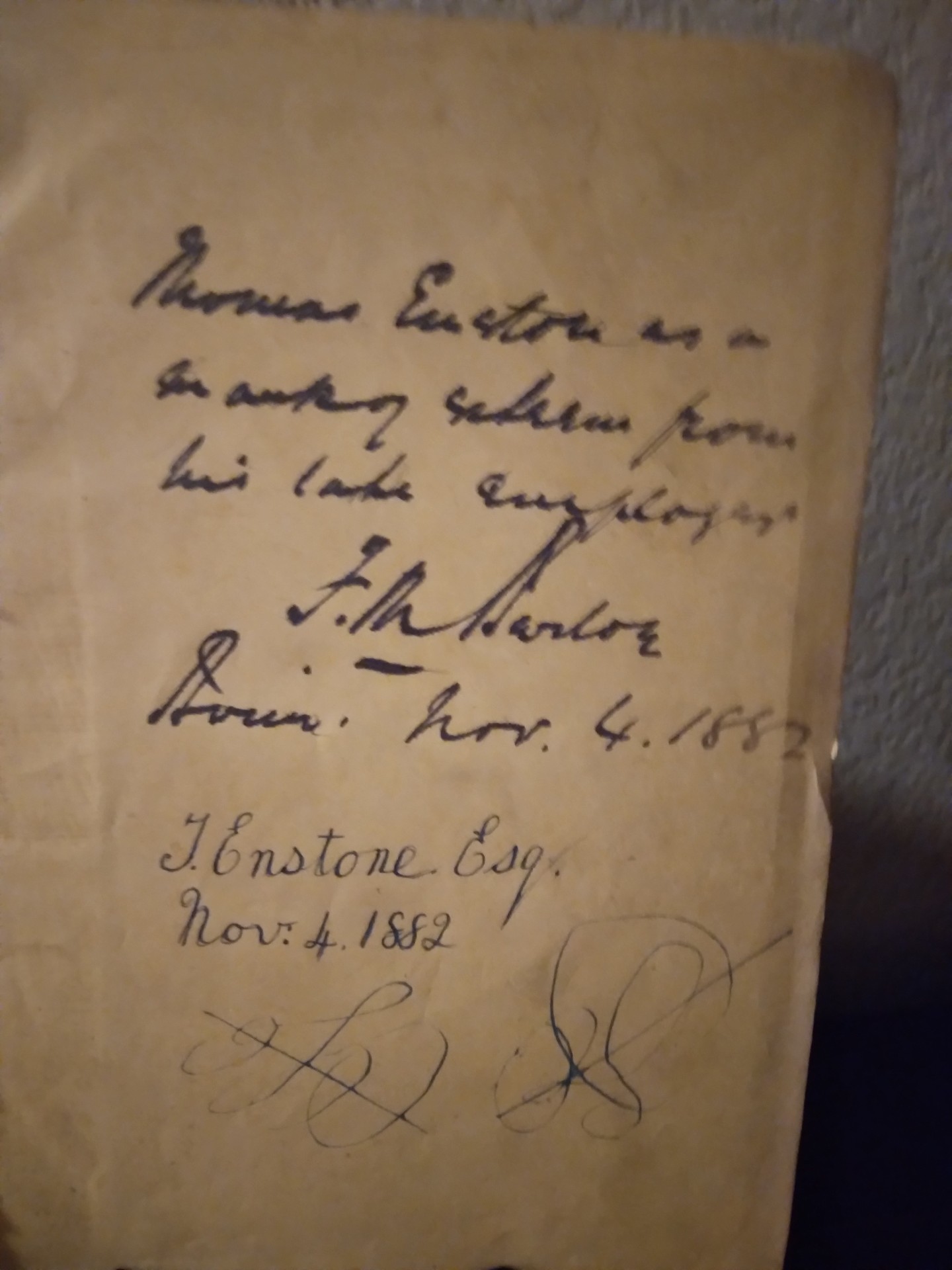
The book’s copyright date is 1882, inscribed by what looks to be F.M. Harlow to a late employee or employer, Thomas Enstone, that same year. The handwriting is difficult to read. Some poems are illustrated, such as “The Village Blacksmith.” Of course, the book sleuth in me was curious to know why a person might give this book to someone with whom they’d worked. What kind of business?

I’ve done some internet research at several points, trying to find out more about these individuals or a possible connection between them and the author. I found that Longfellow’s nephew worked with an architect named Alfred Harlow. In addition, there was a Louis Harlow, who illustrated some of Longfellow’s books. So, maybe the Harlows were related? That’s all I’ve come up with so far, but it’s fun to look! If you have any ideas, I’m interested!

Since that day, the door to the Little Free Library has come apart and been fixed several more times. But people continued to put books in there. I brought home several, although those were more contemporary. My apartment’s bookshelf space is limited, so I’ll either need to donate more of my books to the library’s little bookshop or give up literary rescues altogether!

A Tale of Encouragement for All Ages!

Rebellion at McFreeland’s Farm

by Becky Ross Michael

“Time for sleep, little one,” said Mama Llama. “Your father and I have friends visiting our oak grove this evening. The talk is for adults only.”

“Can’t I stay up a while longer, Mama?” begged Little Llama.

“You heard your mother,” Papa Llama warned with a loving growl.

Little Llama obeyed, lying in the grass with her legs curled underneath. She closed her long-lashed eyelids. But she did not sleep. Instead, Little Llama listened as her parents greeted the animals from McFreeland’s Farm. She heard chickens, rabbits, and goats entering the grove of trees. Mama and Papa also welcomed critters from the forest beyond the farm. The sounds of beavers, deer, raccoons, and birds soon mixed with the others.

Little Llama peeked at the scene. She saw Lone Coyote, who seemed to keep an eye on the white house across the field. Ribald the Feral Hog had taken up residence there. And this gathering of animals did not want to attract his attention.

“Thank you for coming tonight,” Mama Llama began. “And to our brave friend, Coyote, for the security detail.”

All the animals made friendly noises. But they seemed eager to move along with the topic in question.

“I want you to know I’m not angry with anyone about being voted out as your leader,” said Mama Llama. “I’m still willing to help in any way I can.”

“But you were a fair and well-loved leader, my dear,” said Papa Llama. “We find it hard to believe that Ribald could have won the election.”

“That’s right,” huffed a buck, swinging his large antlers. “Even if all the muskrats, feral hogs, and nutria rats voted for him, the totals of the bark ballots cast for you and Ribald should have been much closer.”

“I agree,” chittered a raccoon, thinking about the chunks of bark used for voting. “And I believe I know what happened. My pals and I were looking for food one night, as we often do. We saw a group of muskrats sneaking around the ballot baskets. They were obviously up to no good! The next day, Ribald declared himself the winner and kicked you out of the white house.”

Animals snuffled, hummed, and twittered. They were upset about the recent vote. The critters also thought about kind Farmer McFreeland. He had lived in the big white farmhouse for a long time. Sadly, he had died a while back. Afterward, his grown son came to check on the farm and hired a caretaker. But the person he hired never came around. He did not take care of the property. He did not feed the farm animals. Those who remained were now on their own, living off the land. And that was not an easy task.

Farm animals had joined many wild critters in the forest beyond to elect a leader. They would be stronger working together. Mama Llama accepted the position. She and her family lived in the white house for many sunsets. They always made room for visitors in the main house and outbuildings. Mama Llama and the others faced enormous challenges together. Climate change was causing hotter summers, less rain, more forest fires, and scarce food. Mama Llama had ensured everyone was safe and reasonably happy with her strong leadership skills.

“But we have no way to prove the muskrats did anything wrong,” sighed Mama Llama. “Ribald would never admit if he had commanded them to tamper with the ballots. And maybe he really did get more votes. In his speeches, Ribald promised animals who voted for him tons of food, safe shelter, fire protection, and big, beautiful water. None of that has happened, of course. Ribald only takes care of himself.”

“Naturally,” sniffed a rabbit, wiggling its whiskers. “Not only is Ribald a rude grump, but he lies. The only thing he’s done is capture starving animals who try to enter our farm and forest from other areas.”

“Exa-a-a-ctly,” bleated a goat. “Ribald is using the old farm pens to keep them locked up. Sa-a-ays he doesn’t want to share our resources with them.”

“This is all terrible,” chirped a bird from an overhead branch. “Ribald and the muskrats, wild hogs, and nutria rats don’t seem to realize they’re hurting all the animals!”

“I don’t think they care,” said a doe, sadly blinking her big brown eyes. “And Ribald is a BULLY. I don’t imagine his helpers all agree with him. But they fear he’ll hurt them if they don’t go along with his ideas.”

“What can we do?” asked a beaver, thumping the ground impatiently with its tail. “Our work on the dam and our lodges was going so well. But now, Ribald has closed everything down to a standstill.”

“We probably can’t come up with all the answers right now,” suggested Mama Llama. She twitched her right ear thoughtfully. “Let’s think about our options and meet again tomorrow night. Then, we’ll put our ideas together into an action plan.”

“I agree,” said Papa Llama. “We’ll see you right here tomorrow evening after sunset. Until then, be safe, our friends.”

The animals ambled away, deep in thought. Little Llama heard Lone Coyote wail at the moon.

 If only Little Llama had kept her eyes open during the meeting. She might have seen what Coyote missed. A small muskrat skulked around the edge of the grove. When the animals left, the muskrat scurried back to the white house.

Meanwhile, Ribald the Feral Hog feasted on a plate of earthworms, berries, and nuts. The other wild hogs, orange-toothed nutria, and sneaky muskrats looked on. They wished their leader would offer them something to eat. But they were too afraid to ask. Ribald’s long tusks moved up and down as he ate and slobbered. He snorted when the muskrat spy returned to inform him of the animals’ discussion.

“Those traitors are trying to throw me out of the white house,” squealed Ribald, scaring even his loyal aides. “This is what I need you to do…” And he screamed his dastardly plan into the shocked faces of his horrible helpers.  

***

The next morning, Little Llama awoke to Mama nuzzling her side. “Time to wake up, my sleepyhead,” she hummed. “Papa has gone looking for breakfast. Let’s find a morning drink of water.” After watering, they returned to the shade of the grove. Still no Papa.

Mama Llama felt a niggle of worry. She believed staying put with Little Llama was the best choice. But when the sun climbed high, and Papa had not returned, Mama knew something was wrong. She called out in alarm for any critter friends nearby. The first to arrive on the scene was a chickadee. After hearing about the Llama Family’s troubles, the bird flew away quickly in search of Papa.

Chickadee flapped and glided in loops around McFreeland’s Farm. Nothing seemed amiss. Should I broaden my search? wondered the bird. Just then, a commotion sounded from a pen between the old barn and the chicken house. In a short burst of speed, the chickadee flew in that direction. The bird landed and perched on a cracked roof tile. Could it be? Yes, it was Papa Llama!

The agitated captives milled around in their close quarters. Papa spotted the chickadee and groaned in alarm. “Mwa! Please help! Ribald’s horrible helpers have captured and imprisoned us. I must get back to my family!”

The gate of the pen was fastened tightly. Animals bumped against the rails, but nothing worked to free them. I’m not strong enough to lift that latch, thought the bird. But I can get help. Hoping Papa Llama could hear amid the ruckus, the bird called to him. “Chick-a-dee-dee-dee! I-will-get-you-free!”

At that moment, a muskrat skittered around the corner of the barn and overheard the bird’s promise. “That’s what you think,” it sneered, running off to alert Ribald’s minions.

Flap, flap, glide! Chickadee flew back quickly to Mama Llama. Just as the bird landed and shared the frightening news, an army of nutria rats surrounded the grove.

“You’re going nowhere!” said one, baring its evil orange teeth.

“But Papa will be worried about m-e-e-e,” bleated Mama. “Just let me go and tell him I’m a-a-all right,” she pleaded.

“Forget it,” said another. It nipped savagely at Mama’s leg when she tried to move away.

Luckily, with the ugly nutria focused on Mama, they didn’t see who was resting nearby under an oak. The chickadee landed on Little Llama’s head and chirruped a message to be quiet and follow. The pair silently slipped into the forest as the sun dipped below the trees. Mama was relieved to spot them from the corner of her eye. She moved again as if to escape, keeping the nutria rats busy as they nipped and scratched at her long legs.

When Mama believed Little Llama was safe with the bird, she lay in the beaten-down grass, pretending to give up. Mama knew help was on the way.

Meanwhile, Little Llama and the chickadee gathered all the loyal animal friends they could find. In hushed tones, they made a plan. They would sneak to the pen and free Papa Llama when night fell.

***

“A-whooo is ready?” murmured Lone Coyote, careful not to use a full howl. The sky was dark except for a slice of moon and a sprinkle of stars.

“Let’s go!” the anxious menagerie of animals all agreed. They quietly crept toward the pens of McFreeland’s Farm.

On their approach, the animals passed one feral hog, snoring with a wide-open mouth. “Not much of a guard,” whispered Little Llama with a relieved smile. They avoided the ugly beast and continued on their way.

The friends finally reached the pen where Papa Llama was being held. He saw them right away and rose from the ground with perked ears. “Shhh,” he warned the other prisoners. They must not raise an alarm for Ribald and his horrid helpers.

Lone Coyote stood guard as the rest eyed the latch. Set high on the gatepost, it presented quite a challenge. The rabbit’s leap was not quite lofty enough. A goat tried kicking the gate with no success. The chicken’s flapping and a short burst of flight did not carry her far enough. A deer’s antlers were tall, but he moved too awkwardly to lift the latch. The beaver’s wild jump was impressive, except it missed the mark. And the raccoons with their nimble toes were busy digging through Ribald’s trash for discarded bark ballots.

“Ummm,” hummed Little Llama. “I’m almost grown. And my neck is long. Maybe I can reach the latch?”

In surprise, all the animals turned and stared. “Give it a try!” said Papa Llama from the other side of the fence.

And that’s exactly what she did. Moving close, Little Llama stood on the tips of her toes. She stretched her neck even longer. Bringing her chin up toward the latch, she lifted it with her nose.

“Good work!” said Papa Llama. He was the first to exit the pen. The other captive forest animals soon followed. Little Llama moved to open another pen, holding even more animals. With so many critters celebrating their release, things got a little noisy.

With a snort, the feral hog awoke and jumped up. “Stop right there! Halt!” he screamed. His squeals soon brought the nutria guards from the grove, giving Mama Llama her freedom.

The friendly farm and forest animals had formed an army too big and strong to defeat. The rebellion was on! They charged toward the white house.

Cowardly muskrats and nutria wasted no time and headed for the river. But Ribald and his slobbering band of feral hogs barricaded themselves in the white house. The rebels stood and chanted outside the front door. “NO MORE BULLIES! NO MORE BULLIES!”

In fear, the spineless hogs and their leader nearly trampled each other, escaping out the back door. They ran away and scattered, screaming and squealing, never to be seen again.

Mama Llama joined her family with a relieved smile. “Our brave daughter saved the day,” Papa proudly told her.

“With a LOT of help from our friends,” said Little Llama.

“Let’s restore order to our place,” Mama Llama said, gazing at the mess Ribald had left behind. All the animals helped, even the raccoons, who had returned with a sack full of votes for Mama Llama that Ribald had dumped.

From that day on, compassion and happiness continued to spread. It stretched from the welcoming white farmhouse to the fields and forests beyond!
Love Our Earth

I try rather unsuccessfully to avoid the news these days. The issues in the U.S. feel too huge and horrible to even delve into sometimes. But occasionally, I feel the need to know what’s being said to understand and stay informed.

Today, I made the mistake of viewing a portion of the daily press conference with the intent of hearing just what type of receipts they are saying “Elump” has found to prove not only mismanagement of government funds but fraud. Ms. Leavitt held up and read off several innocuous-sounding items. But this is what really caught my attention: “Oh, I love this one,” she said, “57,000 bucks for climate change in Sri Lanka! What is this doing to continue the interests of the American people?” she chortled.

Ummm, Karoline? Do you think the climate starts and stops at our borders? Have you heard the term “Earth”? In doing a little research, I found a debate she took part in about three years ago. Ms. Leavitt didn’t deny that we have “climate issues.” I guess she just thinks we don’t need to worry about the climate in Sri Lanka. One might say she isn’t seeing (or admitting) the big picture. Lie after lie after lie. All of them. This one is young. Maybe she’ll learn something and grow up by the time she’s booted out. But I’m not counting on it.

Yes, we have vast, critical things happening this very moment in the U.S., as many in Congress allow Elump to stomp all over us, and we pray for the judges to help save our democracy. But if we don’t work together to take care of our planet, none of the rest will matter. So, when we feel discouraged about so many issues out of our control, let’s find something, anything, we can do to help our Earth!

Final (and first!) Blooms of the New Year

After several unseasonally warm days, the temperature is now plummeting here in Texas, and the winds are howling. I’m certainly happy that I recently took a few outdoor pictures of the remaining blooms!

Becky’s Balcony
Nearby Park
Local Heritage Site
Becky’s After-Christmas Cactus

I hope that YOUR new year blossoms with health and happiness!

Thankful for…my critique group!

Amid troubles far and wide, reaching for positives as a lead-in to the coming holiday season feels like a wise course of action. Beyond the importance of family, health, and meaningful work, I’m drawn to reflecting upon my writing critique group. Most of us met through a larger local organization where we occasionally share our works and also enjoy monthly presentations on writing craft. However, several of us longed for a smaller group where we would share our work more regularly. So, about a half-dozen years ago, our small critique group of six was born. Twice a month, we meet in a study room at the Frisco, TX, library. We made it through the pandemic online but were happy to resume meeting in person.

Critique groups come in all shapes and sizes; the group I belong to is no exception. Our members write fiction for adults and children, nonfiction, novels, novellas, short stories, blog posts, and newsletters. We are both traditionally and self-published. Our process is simple. About four days before each scheduled meeting, we email our writing pieces to all members. Those members then read and offer praise, observations, questions, and suggested edits, then return the marked documents to the authors.

At our meetings, we discuss all the feedback as a group. In addition, we also talk about other things: publishing options, querying, what we’re reading, our research, and sometimes our personal lives. I’m happy to say we’re supportive not only as writing peers but as friends. Thank you: Linda Baten Johnson, Carolyn Lis, Gary Thornberry, Jan Angelley Cobb, and Donna Anderson. And also a note of appreciation to Karen Hodges, our former member who moved away with family. My writing has grown with your help. I’m grateful for each of you!

If you crave a successful critique group, various sites offer informative articles to assist your efforts. The Jane Friedman website tells how to “Find the Right Critique Group or Partner for You.” And after you’ve found your group or partner, the Writers in the Storm blog suggests “How to be a Good Critique Group Partner.”

I’d love to know about your experience with a critique group or partner! What didn’t work, and what DOES work for you?

As the following photo reminds us, interesting writing topics can appear in the most unexpected places!

Take care, Becky

Sault Ste. Marie, Michigan

The Power of Story

I woke up too early this morning but felt good. For a few moments, everything seemed okay in my world. But then I remembered. The election here in the U.S. is hovering close by, along with everything that implies. Feelings of helplessness surrounded me. I already voted and reminded those close to me about voting. I’ve written letters for “Vote Forward” to reach Democratic-leaning voters who have not cast ballots in a while. I stay informed and busy. And yet, I feel anxious, unbelieving, and almost sick. So, I asked myself again this morning, “What can I do?

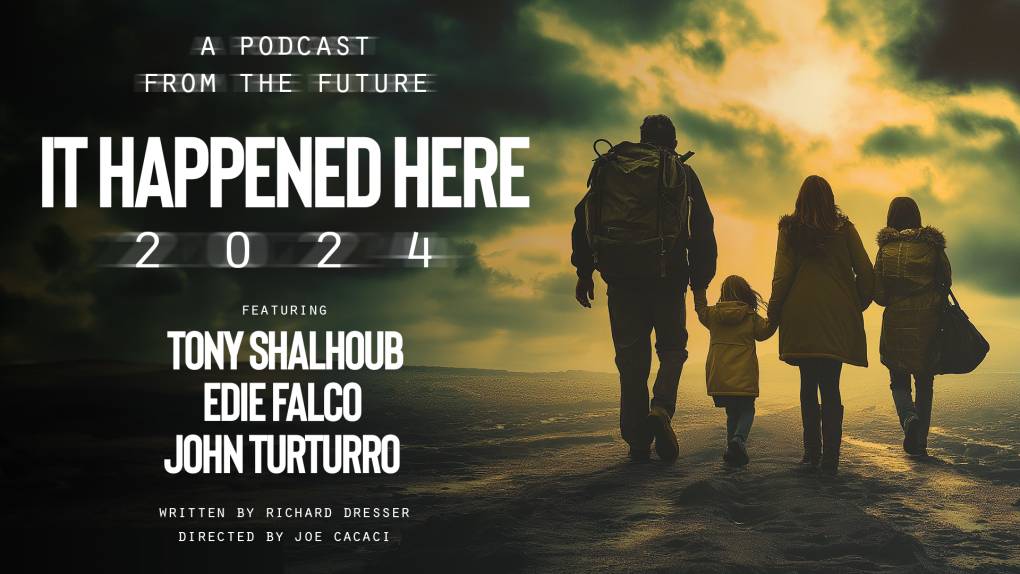
While looking for answers, I found information about the six-part radio play pictured above. I listened to an interview with two of the actors and the writer on KQED Forum NPR. Calls from listeners were also welcomed. This was the description of the discussion:

“What happens if fascism takes root in the United States? Actors Edie Falco and Tony Shalhoub have teamed up to voice a new radio play called “It Happened Here 2024.” The play, adapted by Richard Dresser from his own novel, imagines an authoritarian country in 2039 where elections are a thing of the past and the rule of law has collapsed. We’ll talk to the actors and the playwright about the connections they see between their “audio documentary from the future” and the current political climate.

Guests:

Edie Falco, actor, known for her roles on “The Sopranos” and “Nurse Jackie”

Tony Shalhoub, actor, known for his roles on “Monk” and “The Marvelous Mrs. Maisel”

Richard Dresser, playwright, screenwriter and novelist, His new radio play is “It Happened Here 2024”

Here is the link to the interview. It was interesting and enlightening. I’ve now begun listening to the radio podcast. I see this is available on various platforms, and I’m listening here.

Some listeners have said the story reminds them of our shared humanity and evokes feelings of forgiveness and hope. Just listening to the interview mentioned above reminded me that we aren’t alone in our feelings about the election and everything connected to that. I’m already drawn in by the play, which is so well done.

Pulitzer Prize winner Richard Powers said, “The best arguments in the world won’t change a single person’s mind. The only thing that can do that is a good story.” Consider giving the interview and/or the radio play a listen, especially if you are undecided and have yet to vote!

Take care of yourselves during these trying times,

Becky