Thankful for…my critique group!

Amid troubles far and wide, reaching for positives as a lead-in to the coming holiday season feels like a wise course of action. Beyond the importance of family, health, and meaningful work, I’m drawn to reflecting upon my writing critique group. Most of us met through a larger local organization where we occasionally share our works and also enjoy monthly presentations on writing craft. However, several of us longed for a smaller group where we would share our work more regularly. So, about a half-dozen years ago, our small critique group of six was born. Twice a month, we meet in a study room at the Frisco, TX, library. We made it through the pandemic online but were happy to resume meeting in person.

Critique groups come in all shapes and sizes; the group I belong to is no exception. Our members write fiction for adults and children, nonfiction, novels, novellas, short stories, blog posts, and newsletters. We are both traditionally and self-published. Our process is simple. About four days before each scheduled meeting, we email our writing pieces to all members. Those members then read and offer praise, observations, questions, and suggested edits, then return the marked documents to the authors.

At our meetings, we discuss all the feedback as a group. In addition, we also talk about other things: publishing options, querying, what we’re reading, our research, and sometimes our personal lives. I’m happy to say we’re supportive not only as writing peers but as friends. Thank you: Linda Baten Johnson, Carolyn Lis, Gary Thornberry, Jan Angelley Cobb, and Donna Anderson. And also a note of appreciation to Karen Hodges, our former member who moved away with family. My writing has grown with your help. I’m grateful for each of you!

If you crave a successful critique group, various sites offer informative articles to assist your efforts. The Jane Friedman website tells how to “Find the Right Critique Group or Partner for You.” And after you’ve found your group or partner, the Writers in the Storm blog suggests “How to be a Good Critique Group Partner.”

I’d love to know about your experience with a critique group or partner! What didn’t work, and what DOES work for you?

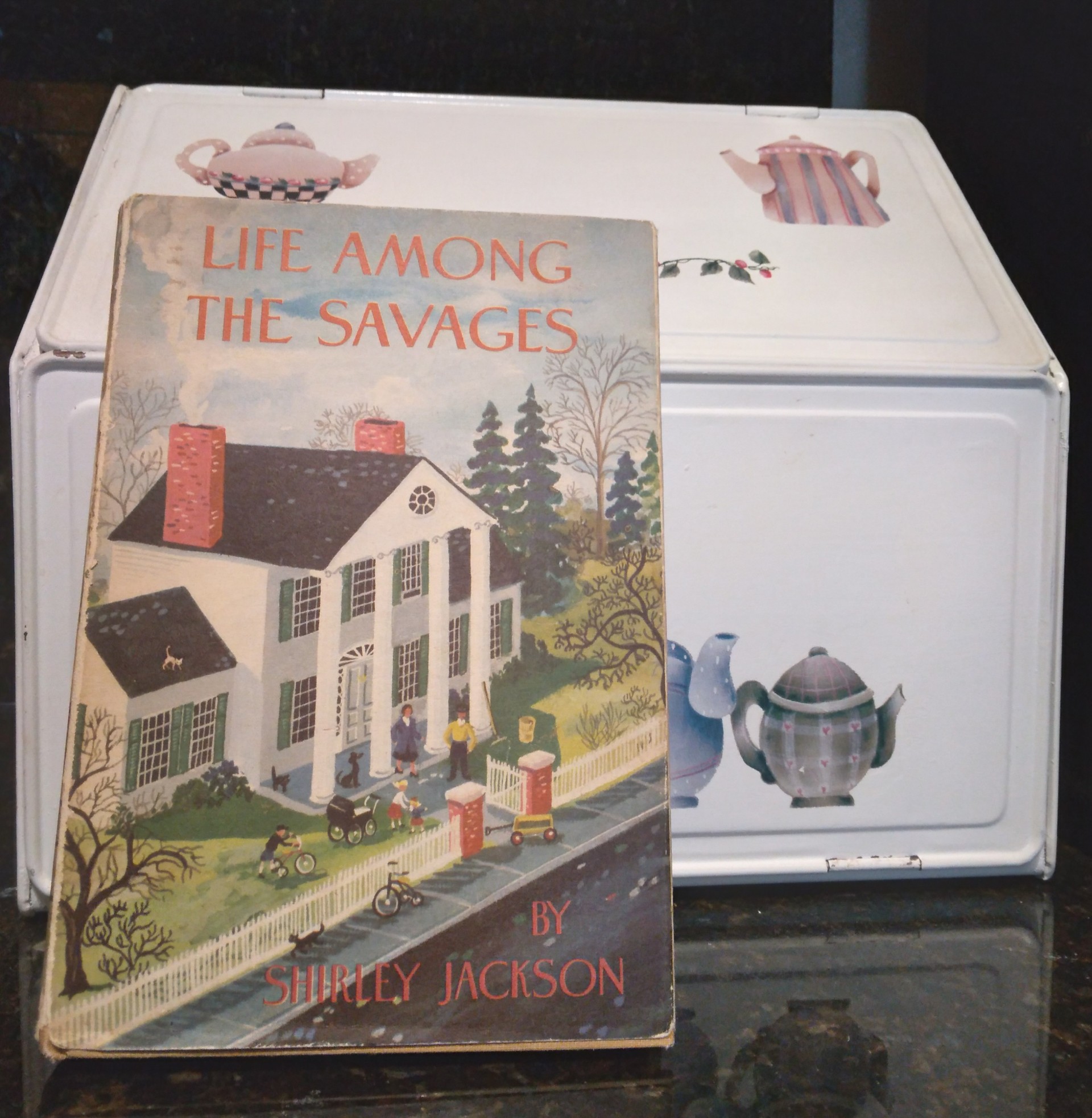
As the following photo reminds us, interesting writing topics can appear in the most unexpected places!

Take care, Becky

Sault Ste. Marie, Michigan

Detective Dog

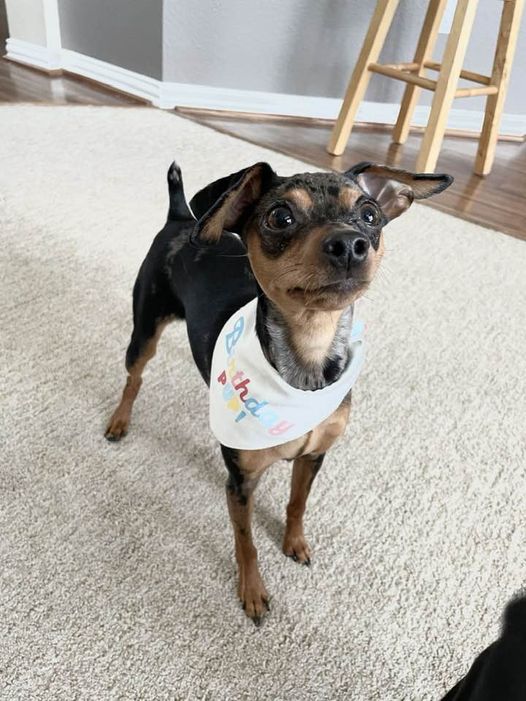
I recently pet-sat for my daughter’s four dogs: two large boxers (Titan and Hazel) and two small mini pinschers (Rubble and Remi). They’re all friendly and affectionate, but each has its own personality, as well. Remi is the youngest and just turned one. She still exhibits a LOT of puppy-type behaviors, like pottying indoors on occasion, grabbing things to run away with them, and chewing on anything she gets her paws on.

When I went to their house, I took my laptop to work on freelance editing and also made sure to pack a few books I’m reading. One was an early Christmas gift from my sister, Terri. We both love mysteries and like many of the same authors. One of our favorites is UK author, Elly Griffiths. She has three mystery series, and I especially like the two featuring Ruth Galloway and DI Harbinder Kaur. Knowing for sure I’d like it and hadn’t read it yet, Terri sent me the latest Harbinder Kaur book, Bleeding Heart Yard. It’s a great story and pulled me in immediately.

One evening, I had the book set well back on the nightstand, thinking I was being careful. But I hadn’t considered that jumping up on the bed to reach interesting objects was easy for Remi. The next thing I knew, the sound of ripping paper met my ears. My wonderful new book was flung to the floor with pages 321/322 ripped out and lying in several pieces. (Sorry Terri!) I rescued the book right away and set the pieces aside, realizing the pages were from later in the book and wouldn’t be needed right away.

The next morning, I decided the best way to make sure I hung onto all the pieces was to tape them together and back into the book. A few were too small and mangled, so I certainly hoped enough of the print remained to get the gist of the paragraphs. With tape in hand, I began reconstructing, while matching up words.

Suddenly, to my horror, I realized my eyes had landed on a section with an all-important sentence…”X X has admitted to the murders.” What are the chances that in those 30 seconds of jubilant grabbing and chewing, Remi would choose one of the few pages that revealed the killer?! I had to laugh, though. It was almost as if she were playing detective and sharing the solution to the mystery with me.

Lucky for me that my main goal in reading a mystery isn’t just to solve the puzzle, although I do that to a certain extent, of course. I love the way mystery series authors weave their interesting characters into suspenseful plots and reveal more about the people in each book. Will I finish reading Bleeding Heart Yard even though I know the name of the culprit? You bet! That doesn’t make much difference to me, except that I’ll be reading from a somewhat different perspective. I’ll be looking to see just how artfully the author reveals the rest of the clues and keeping an eye out for any red herrings.

So Remi wasn’t “in trouble.” But I certainly was reminded to be even more careful about where I set things when she was around!

Remi’s 1st Birthday

Wearing My Editor’s Hat!

As many writers have found, just having more time to work during the pandemic doesn’t necessarily make one more productive. That’s the case for me. So, in efforts to stay busy and earn some money while I’m at it, I’ve taken on many editing projects. In fact, I’ve completed around 100 manuscript edits since March.

Many of my projects have been children’s picture book edits, while others have involved middle-grade fiction and short stories for adults. I found most of these opportunities through online platforms that match freelancers up with clients. The feedback I’ve received from my clients has been very positive, which I find to be quite rewarding. I’m also excited to say that several of the books I edited are now published, such as the following:


I haven’t given up on personal writing and still attend my critique groups online. I’ve also completed several writing projects through these freelance platforms, as well, such as non-fiction articles, blog posts, and children’s leveled readers. All of this has given me something to work toward each day, which you all know can be a struggle right now!

In addition to communication with family and friends, my balcony gardening (and the challenge of the intense Texas sun!) also keeps me grounded. I finally took the plunge and purchased a fountain for my small outdoor space, which I love dearly. It’s no replacement for the Great Lakes, Atlantic Ocean, or St. Mary’s River, but it’s my little piece of heaven.

Lovely Sounds of Water

Happy Critique-iversary!

Three years ago this month, a small group of children’s writers and illustrators met at the Frisco, Texas, library to share and critique their works in progress. I’m happy to say we’re still meeting each month and have seen numerous successes along the way. Several of the same members attend regularly, many others have joined, and some float through when it fits their schedules. We’re an open group, and the only requirements are to be 18 years or over and to have an interest in children’s written and/or illustrated works, for babies to young adults.

During the intervening years, members have queried and submitted to agents and publishers, had books traditionally published and self-published, signed with an agent, had stories published (both online and in print), and have won honors, such as those through the North Texas Book Festival. Many of us belong to SCBWI (Society of Children’s Book Writers and Illustrators), other critique groups, 12 X 12 Challenge, and have been Storystorm participants and winners.

One of the best aspects of our group, Write 4 Kids, is the positive and helpful feedback atmosphere. This is a safe and accepting place for us to share our works, ideas, successes, disappointments, industry information, and valuable technology hints. Here’s to another year!!!                   ~Becky

Ready for Storystorm?

Inspirational and free, with a possibility of prizes! Join me by taking part in Storystorm. All you have to do is register (through the first week of January) in comments at taralazar.com Then come up with one new story idea for 30 of the days in January. Visit the blog each day, if you wish, for inspiration from authors and illustrators and also to earn chances at winning prizes. That’s it! You don’t even have to share your list of ideas. Those are for you to keep and get started on an awesome new year of writing!                  ~Becky

Welcomed Rejection Letter!

elephant river

Rejection can be painful. Most of us don’t enjoy receiving a thumbs-down for writing we’ve submitted to potential publishers or agents. Yesterday’s email held a letter regarding a submission I’d made last July to a children’s magazine. Yes, they’re running behind, as the website says they’ll get back to those who submit in one month’s time. I’ve grown to expect those types of delays. With books and stories for kids, no response at all is often the norm, unless they want to publish your work. Even when responses are sent, they’re often generic and give no advice. Why was this a welcomed rejection?

Although an acceptance on this story would have been wonderful, I certainly appreciated the letter. It was personalized and contained insights from multiple readers as to how I could fashion this as a stronger piece of writing. The suggestions were sound and offered in a very positive manner. Because I’ve continued to tweak this story during the past year with the help of my critique groups, I’ve already resolved some of the issues. A few of the ideas remain to be addressed. Yesterday was a good day. This rejection meant that the effort taken to submit was worthwhile and that someone read my story.

You might be wondering if the Pixabay images signify rejection as “the elephant in the room.” In fact, the pictures are related to my story, which is based on a true childhood event. More about that in the future, I’m sure. Feel free to share your experiences with rejection or feedback from publishers and agents in the comments. Keep writing!          ~Becky

elephant bathing


Critique Speak

critique group 4

Another year, another critique group? I’m pleased to say that I’ve joined a third, forming a wonderful triad. How is this one different? In this case, writers gather twice a month, which doubles the motivation to produce. Situated in a smaller room, our number is capped at six. That means we all share something for feedback most times. Attendees don’t read their works aloud but do send pieces in advance through email. Instead of evenings, this half-dozen meets in the cool of the library while the Texas sun is still high in the sky.

Although several other members also belong to multiple groups, each combination develops its own personality. One gathering is specifically aimed at writers and illustrators of children’s literature, and the other two attract those who write for various levels. We critique novel chapters, stories, poetry, songs, memoir, and other types of non-fiction. Want to know more about queries, summaries, or elevator pitches? These are also presented and analyzed. Most importantly, not only do we assess possible improvements, but point out the positives of what’s working in each piece.

Beyond the share/feedback cycle, all three configurations circulate information about upcoming events of interest, in addition to facts about submissions for agents and publishers. We celebrate, praise, and console, since this calling involves both highs and lows. I find the camaraderie among people with different backgrounds who all share a love of writing to be so exhilarating, interesting AND comforting. When I first started my journey, I had no idea how important this activity would become. If you’re a writer or illustrator and haven’t yet found just the right spot, I hope that you’ll continue your quest!

Feel free to share in comments what you like best about your critique group or what you would look for in your search!       ~Becky

book fest
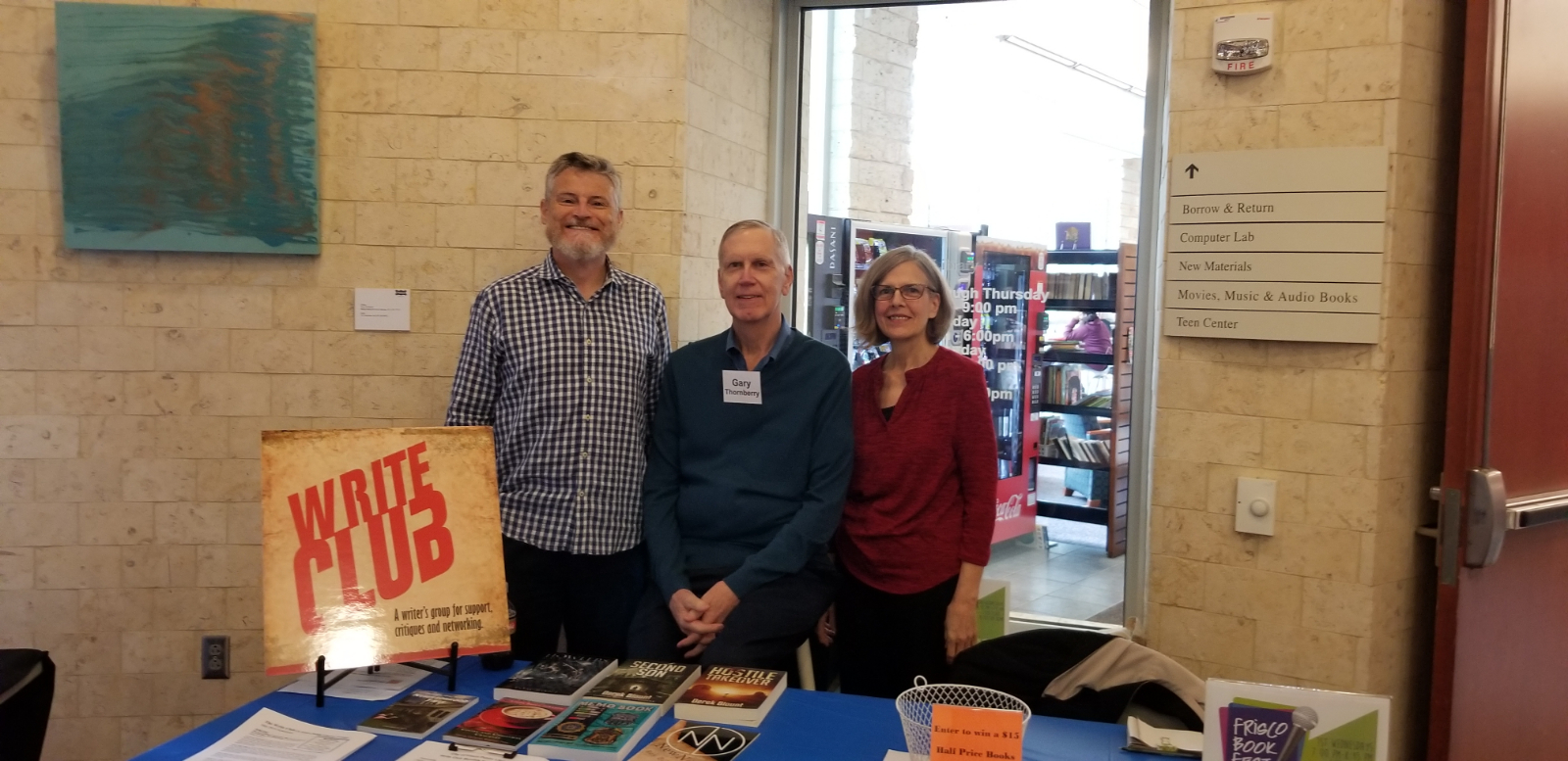
FRISCO BOOK FEST: Fergal O’Donnell and Gary Thornberry (current and former presidents of Write Club); Becky Michael (founding member of Write 4 Kids)

February 8 – It’s Children’s Authors’ and Illustrators’ Week — re-blog from Celebrate Picture Books!

Visit Celebrate Picture Books to read about this fun book related to punctuation and writing!     ~Becky

About the Holiday This week was established to raise awareness and promote literacy and the joys and benefits of reading. During the week, children’s authors and illustrators attend special events at schools, bookstores, libraries, and other community centers to share their books and get kids excited about reading. To learn more about how you can […]

via February 8 – It’s Children’s Authors and Illustrators Week —

Activism: never too early or too late!


a is for activist

Originally written for his own children, this board book, read here by the author, Innosanto Nagara, introduces young kids to the positives of social change. Children can begin to see themselves as activists when they stand up for someone who is being  bullied, help with the family’s recycling, or when they ignore the color of a person’s skin to see the heart, inside.

In July of 2017, NPR Books said of A is for Activist, “Every letter is the definition of a different social movement. For F — kids learn about Feminism, when we get to G – kids learn about the meaning of grassroots organizing and why it’s important. This beautifully illustrated ABC book uses rhyming and alliteration to get your little reader excited about social change. If your child loves this work they may enjoy the author’s new work My Night at the Planetarium, which illustrates the important role the arts play in resistance.”

At that same time, NPR also noted a list of books for “woke kids” of all ages that you might want to check out!

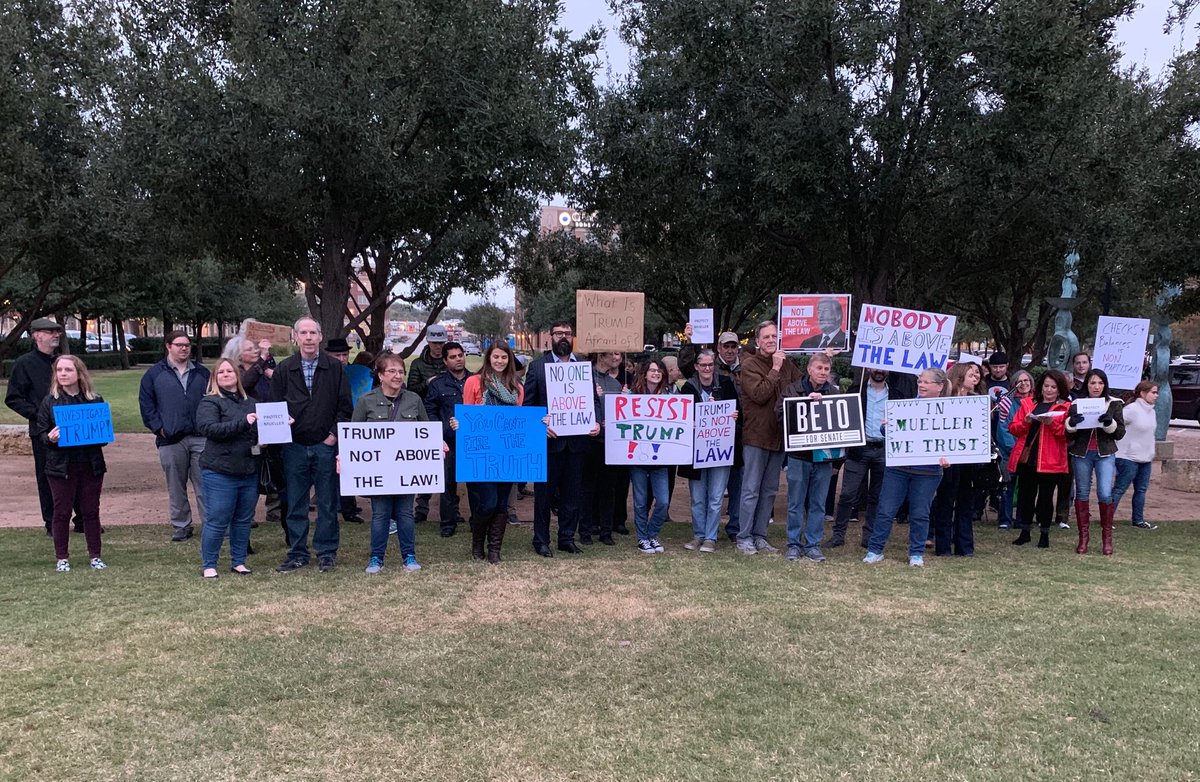
As the title of this blog post suggests, besides never being too early to explore activism, it’s also never too late. These last several years have served as a real wake up call for me, as I’m sure they have for countless others. This past Thursday I attended my very first protest, in support of protecting Robert Mueller’s investigation. This was a small action on my part, but very important for me. I’m tired of all the lies and feeling so helpless. Being part of a like-minded group of citizens at this demonstration gave me a sense of purpose, along with cautious hope for better days.

~Becky

Protest! Nov. 2018
Just a few of the protesters before the march. I’m the ‘turquoise sleeve’ just left of the woman in the red jacket:)


Fantastic Find at the Bookstore #2

dick and jane

If you learned to read at school in the U.S., sometime from the 1940’s to the 1960’s, there’s a good chance that you learned with the help of Dick and Jane, their little sister, Sally, and the pets, Puff and Spot. By today’s standards of instructional materials for reading, this basal series was quite dry and some might say boring. I loved those books in my first years of school, mainly because…I WAS READING!

Dick and Jane pages

Fast forward many decades, when I trained to become a teacher and landed my first elementary position in Michigan. Although we still used a basal series in fourth grade, that year, it was packed with “real literature” and was supplemented with sets of award-winning chapter books, in addition. By the time I served as a Chapter I reading teacher in North Carolina and later taught kindergarten back in Michigan, sets of charming leveled books (like “Mrs. Wishy-Washy“) had replaced all basals. Reading instruction methods, assessment, and progress tracking had been fine-tuned, as well.

During my years of teaching and even after I retired, collecting vintage children’s readers was a hobby that I enjoyed immensely. Many of those 30+ books were the Dick and Jane variety, while some featured other children, pets, and retold folk literature. I had a few favorites, like the cover that’s pictured above, which I can actually remember from childhood. I had read an article, once, that revealed the Dick and Jane characters originally were a part of other collections before they appeared in their “own series”. These early books were known to be quite the collectors’ items and sometimes brought hundreds of dollars. I stored this information in the back of my mind, but didn’t really remember the details.

One day, as fate would have it, I was looking through shelves of used books in a little shop near St. Louis, Michigan. I picked up an old school reader that was in pretty rough shape. My heart started beating a little faster, since the Elson-Gray name on the scarred cover rang a bell. I leafed through the book, being careful not to tear the somewhat brittle pages any more than they already were…Billy and Nancy, Alice and Ned, DICK AND JANE!!!

pages inside oldest Dick and Jane

I tried not to be too overjoyed, since I couldn’t tell if the price penciled near the front of the book said $2.00 or $200. Yes, I really wanted that 1936 edition, but it wasn’t in great shape, and I’ve never spent that much money on a book in my life. Holding my breath, I walked up to the counter. Luck was with me that day, and I still have the receipt for $2.12, with tax.

When I moved from Michigan to Texas a few years ago, I was forced to dramatically cut back on the books that I would pay to ship, since I had collected many different types, over the years. As an end result, I saved just five of my children’s readers, including three regular Dick and Jane books and this very special precursor of what they would later become. I’ll treasure it forever, along with the memory of that day.

oldest Dick and Jane

I’d love to hear from you in comments if you learned to read with Dick and Jane, or if you would just like to share a memory about learning to read!