
Season of Spooky Stories

Although scary stories are popular year ’round, it seems like even more spooky books and movies start coming out in autumn, leading up to Halloween.

When I was a kid, we had the hard cover version of this Alfred Hitchcock book in our house. The first story in it is “The Birds” by Daphne du Maurier. I was captivated! And of course, I had to see the movie when it came out. I still love that movie to this day. What fun it might be to attend the annual film festival held in Bodega Bay, where some of the scenes were shot!

I still love creepy stories and have recently tried my hand at writing a few for kids. I’m happy to say that one of them, “Waters of Change,” has been published in the 8th Volume of the U.P. Reader! My story is based on a local legend from the Tawas area of Michigan, where I grew up. Two of my grandsons are the main characters. It was such fun to write! I can’t share that with you here until next year, but meanwhile, I’ve written another other-worldly story for kids.

Here’s some background: Several decades ago, I had the pleasure of living next door to Margaret Johnson in North Carolina. Her husband, F. Roy Johnson, was no longer living but had been an author and collector of local legends. I wove another grandson, neighbor Margaret, and one of her husband’s retold tales into this story:

The Girl Dressed in Brown

by Becky Ross Michael

Soon after the plane landed, Grandma spotted him wearing earbuds.

“Danny!” she said, giving a hug.

“Hey, Grandma. But I go by ‘Dan’ now that I’m in middle school.”

“I’ll try to remember,” she agreed with a smile. “Grandpa’s outside.”

Once settled in the car and riding toward their Murfreesboro, North Carolina, home, Grandma turned in her seat and motioned. “How about you unplug so we can talk?”

“Yeah, okay,” Dan said, freeing his ears. “Mom says you have a dog?”

“We do! Grandpa bought him for a few dollars in a parking lot. So we named him Parker.”

When they neared their destination, Grandpa pointed out a few spots of interest. “This is the main street. As you can see, it’s quite a small town.”

“I’ll say. I don’t know why I couldn’t just stay home with a friend. This is my last week before school starts.”

“Your mom had to travel for her job and thought it would be a good chance for you to come and visit,” Grandma said. “Our semester at work has already started, but we’ll take you to the beach this weekend.”

“Mom’s always gone,” Dan frowned.

“We’ll show you the Chowan University campus where we teach before going home,” said Grandpa, filling the silence. “We live right across the street.”

Students dressed for the hot weather hurried along the sidewalks, and low buildings lined the curving drive. Trees blooming in reds and pinks decorated the lush green lawns.

“Is this all of it?” asked Dan.

“Yes,” Grandma said, “it’s a small school but a good place to work.”

“That beauty ahead,” said Grandpa, “is McDowell Columns Hall. It’s a great example of Georgian Colonial style and was built before the Civil War. They use it for administration offices.”

In front of them, the white, three-story building with eight tall columns rose majestically. A second-floor veranda reached along the front, and a wide porch on the main floor held white, wicker rocking chairs.

When they arrived at their nearby red brick residence, the little black dog, Parker, yipped in glee and ran around in circles.

“Let’s take him out, and we’ll show you the yard,” suggested Grandma. Outside, they tried to interest Dan in the various plantings.

“What’re those weird fruits?” he asked, snapping to attention. Dan pointed at a small tree near the edge of the yard. “They look kinda like an apple mixed with a pear.”

“They’re quinces,” Grandma said. “We’ve never eaten them, but the blossoms each spring sure are pretty.”

After dinner, Dan excused himself to the fold-out couch in the study. “I’m meeting a buddy online to play a game,” he said.

Much later, Parker yipped into the dark to go out. “I’ll take him,” offered Dan, meeting Grandpa in the hallway.

The campus was well-lit and quiet, so Dan crossed the street. Nearing the stately Columns Hall, he saw a young girl standing on the wide porch. As he approached, Dan noticed she wore a long brown dress made from a fancy material that seemed out of place.

“Hello?” he said. “What’re you doing here?”

“Why, I live here at the school,” she answered in a heavy Southern drawl.

“You don’t look old enough to be a college student.”

“This is my last year at the girls’ school. I have promised to marry my beau when he returns from the war.” Leaning to pet the dog, Dan heard her dress fabric make a soft swishing sound.

He studied her pretty face, shimmering in the reflection of the porch light.

“Be well,” she said, raising her hand in goodbye.

“Good to meet ya,” Dan said but realized the girl had already disappeared.

The next day, while riding to the ocean, Grandma insisted on no devices and tried to make small talk. “Are you looking forward to school starting?”

“Nah.”

“How was it last year?”

“I have a few friends from elementary,” said Dan. “The other kids seem mean or stuck-up.”

“How so?”

“Some of ‘em put you down if you don’t play sports. Others brag about their high grades and careers they’re already planning.”

“Where do you fit in?”

“I don’t. That’s the problem. Are we almost there?”

That night, Parker didn’t even have to ask. Dan grabbed his leash and slipped from the house, heading for Columns Hall. There she was. As he approached her, the girl smiled in recognition.

She wore the same brown dress, which seemed odd. Suddenly turning her head as if picking up a sound, the girl glided away into the shadows. Dan stared into the dark, feeling a shiver despite the warmth.

Dan was happy to be alone while his grandparents were at work the following day. He took Parker into the backyard to play. That was when he caught the white-haired quince robber.

Grandma later asked, “How was your day?”

“You didn’t tell me there’d been a famous person living next door.”

“What do you mean?”

“Miss Margaret gave me lemonade and showed me a bunch of her husband’s published books and stuff.”

“Oh, Margaret! Yes, her husband died before we moved in.”

“Sounds like he was kinda famous around here.”

“That’s what I understand. How did you meet?”

“I thought she was stealing quince from your tree and yelled at her. She promised that you had told her it was okay. And then she asked me to call her Miss Margaret. She plans to make quince jelly.”

“Glad you met,” laughed Grandma.

“Yeah, and she loaned me one of her husband’s books. She seemed kind of lonely. We talked for quite a while, and she told me I’m a good listener.”

“You must not have had your earbuds in,” Grandma chuckled.

Soon after sunset, Dan holed up in the study. He texted with one friend and then played online games with another. Finally, Dan opened Miss Margaret’s book. That’s when he saw it. A story written by her husband was based on a local legend called “The Brown Lady.” With his heart beating wildly, Dan read about the young woman who “died of a broken heart” when her future husband was killed in the Civil War. People on campus reported hearing her garments swishing in the breeze. Others caught sight of her ghost wearing a long brown dress.

Was he already too late?

Sneaking downstairs, Dan clipped on Parker’s leash and let himself out the door.

But he realized she was nowhere in sight when he crossed the street.

Maybe he was wrong. Was he crazy?

Parker saw her first, raising his whiskers toward the second-story veranda. The girl was leaning out over the railing as if planning to jump.

“No!” Dan yelled. Wrapping Parker’s leash around a pole, he ran and climbed a trellis covered with thick, flowering vines.

When Dan reached her side, the girl shook her head as if returning from a dream. She began to cry.

Dan dug a tissue from his pocket and then urged her down the trellis. After gathering Parker, they sat and rocked on porch chairs. He listened while she poured out her heart. At first light, the girl told him how comforting he had been

“You are a wonderful listener,” she said. “I imagine you often help others with that kindness…” And in the next instant, she was gone.

When Dan’s visit ended, Grandma found the book with a note stuck inside. She walked them over to her elderly neighbor’s house. Margaret handed her a glass jar of quince jelly in exchange. As Grandma passed her the book, the note fluttered to the ground:

Dear Miss Margaret,

Thanks for sharing the good book. And I might know what career I want to follow someday. You and someone else told me I’m a good listener. Maybe I’ll be a counselor who helps others!

Dan

A Perfect Setting for Suspense

Tawas Point Lighthouse

I was lucky to grow up in Tawas City, Michigan, near beautiful Lake Huron and the long point of land that forms Tawas Bay. The lighthouse at Tawas Point always fascinated me and felt somewhat mysterious. When I began planning a suspense story, that area seemed like the perfect setting!

In the summer of a 1960s vacationland, an encounter offers a tempting renewal of a bond from the past. My fictional tale, “Yours Till Moonlight Falls,” visits the dark side of human desire for connection. And I am happy to say it has found a publishing home at Mystery Tribune!

Click here to read the story. Is that the screech of gulls you hear, or could that be something else?

Historical Houses as Fictional Characters

Laurium, Michigan

I have no idea about the names of the people in the photo shown above. But I know the house intimately. It was built around 1900 and had been updated countless times when I moved in over 20 years ago. The house still needed a great deal of work, and it really started to shine during the years when I was lucky enough to live there.

A kind resident of the small, Upper Peninsula town loaned me this old photo. They had known someone who lived on the street and realized I might be interested in this historical image of my house. I formed the mat around the copy of this picture with remnants of vintage wallpaper found hiding in the walls during renovations.

After mulling over my story, “Dinner for Two,” for years, I finally knew the missing piece. The house needed to play a more important part as a character, along with the man and then the woman, known only to the reader through the man’s recollections.

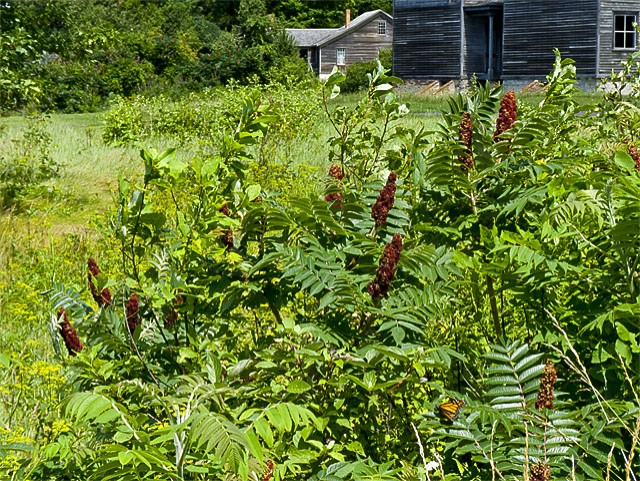
I’m pleased to say that my story now appears in UP Reader #6, which is published by Modern History Press! Because this just came out, I can’t share this tale with you, yet. But I’m happy to now post a story that I told you about last year…”Sumac Summer.” This is based on memories my father told me from his own childhood and was such fun to write. I hope you’ll enjoy reading about this young boy’s suspicions of a possible poisonous mistake!

Staghorn Sumac in Michigan

Sumac Summer

“Philip, why are you still awake?” Mom whispered. She carried a lantern to avoid the bright hallway bulb.

“Too hot,” I murmured, from my spot by an open window. Four brothers snored nearby. My six sisters were quiet in their room down the hall.

“A few more minutes and back to bed,” my mother warned, as she left on tiptoes.

Something outside moved from the shadows. Dr. Justin walked the path to my friend’s house with his black medical bag. Was Danny sick?

The stairs squeaked, and I dove for my pillow. I ignored the need for an outhouse visit, pressed my eyes shut, and fell into a sweaty sleep.

***

The air was even warmer when the rooster crowed the next morning.

“Looks like our next-door neighbors moved out,” my big brother, Harold, said at breakfast.

“No way. Danny’s my best friend. He wouldn’t leave without telling me.”

“When I delivered their newspaper, the window shades were still closed, and their car was gone,” said Harold.

“Dr. Justin was over there last night,” I said. “I wonder what happened.”

“I bet they didn’t move,” said my oldest brother, Ernie. “They probably got sick and died from poison, or something.” He clutched his throat and fell to the floor with a choke.

“Don’t tease,” Mom said with a frown. “Danny’s mother mentioned that his father had health problems. She said they might move closer to family in New York.”
                                                                     ***

By the end of that week, I decided Danny was gone for good. Harold reminded me it was my turn to cut the grass. I grabbed the wooden handle and gave our mower a push across the lawn. By the time I finished, the sun was high in the sky. My cheeks were on fire, and my mouth was dry as dirt.

I guzzled water at the kitchen pump and grumbled. “Why can’t we ever buy soda pop from the market?”

“Treats like that cost too much for a family of thirteen,” said Mom.

“Could we make more root beer?”

“That wasn’t cheap, either. And we had a terrible mess in the basement when a bottle exploded.”

“I have an idea for a drink,” Dad said, as he walked into the room. “It’s almost free and not messy to make.”

“What is it?” I asked.

“Sumac (‘sue mack’) juice. It’s been years since I made any, but I remember the steps.”

“Never heard of it.”

“The sumac tree’s red berries can be used to make a lemon-flavored drink,” said Dad. “Some people even call it sumac lemonade.”

I pumped another cup of water and listened.

“The family next door has gone. No one cares if we cut berries from those sumac trees between the two houses,” Dad continued.

“Guess not.” Even though the neighbors had only been gone a week, I missed Danny. He’d been my best friend and could even make doing chores seem like fun.

Dad eyed the trees through the kitchen window. “We’ll soak the berries in water until it’s pink and lemony. Sugar or honey adds a bit of sweetness. The flavor will be strongest when the clusters turn dark red. Here in Northern Michigan, we won’t see that until late summer.”

A quick look at Mom told me she was okay with his idea.  Hadn’t my parents ever heard of poison sumac? With a gulp, I swallowed the words so they wouldn’t escape from my mouth. What if Ernie was right? What if Danny’s family was poisoned? I wanted to trust Dad on this. But it might make us sick, or even worse!

When I checked outside, the skinny leaves on the short, thick trees were mixed with light green flowers. I didn’t see any berries.

Sleep didn’t come easy that night. I jerked awake. “Argh!!!” Danny and some strangers with hollow eyes and red drool on their lips visited my dreams.  Could that nightmare be a sign that sumac juice might not be safe?
                                                                             ***

Within a few weeks, little green berries appeared. They turned a rosier color each time I dared to peek at them. No words popped into my head to warn my parents they might be poisonous. I had to learn the facts before it was too late. Since it was summer vacation, I couldn’t ask my teacher. The library was the best place to start.

“Chores are done, and I’m going for a bike ride.”

“Sorry, Philip,” said Mom. “You’ll need to watch your younger brother and sister.  I’m late for my women’s meeting.” The screen door slammed before I could argue.

Paul and Eunice weren’t too heavy, and I could pull them to the library in our wagon. The shortest way took us past the blue water of the bay. If only we could trade places with the people who played in the waves without a care in the world.

The air was cooler inside the small, brick library. My sister and brother ran toward the picture books. I started my own search for adult books about trees.

“Philip Ross, I haven’t seen you here in a long time,” said the librarian after a while. “Could I help you find something?” She eyed my sister and brother. Had they emptied all those books from the shelves?

“Ah…no, thanks. We should get going.” I grabbed Eunice by the hand and Paul by the shirt. The walk back home with the wagon was even hotter, and I hadn’t learned anything helpful.

Once we got in the yard, I reached to check the trees and found blood-red berries. Some clusters were even covered with white, sticky stuff. We were almost out of time. My new idea felt scary, but I had no choice. I wiped my hands across my pants and planned for the next day.

                                                                       ***

I awoke early to a gray morning. After sneaking from the house, I steered my bike through quiet streets. I headed to the drug store, where one of my older sisters had an afternoon job. While I waited by the locked door for the owner, Mr. Keiser, I peered down the road through the fog.

Teacher told us that druggists go to college for a long time. That’s how they learn to make safe medicines. Mr. Keiser should also know which plants were safe. His tall body finally appeared from the fog. I ignored the lump in my throat and told him my problem. With a strange look, he motioned me inside the store.

“Aren’t you one of Pastor Ross’s boys?” he asked.

“Yes, sir, I’m Phil.”

“Tell me the details.”

He sat on a high stool, and I began with the way Danny and his family had vanished. I ended with my fear that Dad didn’t know the red berries were poison.

“Your worries are over,” he said. “That’s harmless sumac. You can tell by the red or purple clusters that point toward the sky. The sticky part you described has the strongest lemon taste,” he added.

“Is there a kind of sumac that’s poison?” I asked.

“Yes, but that looks very different. It has green or white berries that hang down.”

“Gee, thanks,” I said in relief, and stuck out my hand to shake his.

“Make sure you always check with your parents before eating anything that grows in the wild,” Mr. Keiser reminded me, as I turned for the door.

I flew toward home on my bike and jumped off before the wheels stopped turning. Fat drops of dew sparkled on deep purple berries. “They’re ready,” I yelled, at the back door. “It’s sumac juice time!”

***

As the sun slipped lower in the sky, I sat on our wide porch with my family. Dad filled glasses with sumac juice for everyone. Mom added frosty chunks from the large block the iceman had just brought. The drink was cool, sour, and sweet on my tongue. Everybody liked it, except Eunice, who didn’t like most things.

“Afternoon,” said the mailman, from the bottom step. Mom traded him a glass of juice for a few envelopes. He drank it and talked with my parents on the shaded porch.

Mom sifted through the mail as soon as he’d gone. She held up an envelope, written with ink. A cloud of worry crossed her face. “It’s a letter from out East,” she said and opened it. Her frown soon disappeared. “Philip, it’s from Danny’s mother. She says they left early that morning to beat the heat and apologizes for not saying good-bye.  She’ll work in her family’s store while her husband recovers,” Mom folded the page. “Time will tell, if they’ll move back to Michigan.”

“I’m glad they’re okay,” I said and turned away to hide my sadness.

“Danny sent you a note, Philip.” She raised a paper written in smeared pencil.

I grabbed it and hurried to the side yard that overlooked my friend’s old house and the sumac trees. Danny’s story made me laugh out loud. On their way to New York, he and his mother had to change a flat tire. He described the scene so well that I pictured them in mud up to their knees as they search for a dropped lug nut. Maybe I could think of a tale to send back?

I had a whopper of an idea. I’d write about a missing friend, fear of a poison potion and a tasty ending!

Bottom: Paul, Eunice, Phil, Harold. Middle: Ernie, Rev. & Mrs. Ross; other siblings interspersed

A Poisonous Mistake?

Staghorn Sumac in Michigan

I have very few memories of my paternal grandfather because he died when I was so young. I do quite clearly remember, however, the day he urged my sister and me to touch our tongues to sumac that grew in my grandparents’ back yard. This is probably so clear not because of its lemony flavor but because my mother was NOT pleased when she heard about it! Like many others, she may not have been sure about the difference between poison sumac and the safe variety of staghorn sumac.

I remember at the time my father assured her that he knew it was safe. I didn’t know until he told me his story years later exactly how he knew that the sumac was edible. He recounted to me that as a child he had been worried his parents were making a poisonous mistake by planning to use sumac berries in making an inexpensive, lemonade-type beverage. As the berries ripened, he took it upon himself to discover the truth about their safety. That’s the story I tell in “Sumac Summer,” which I am happy to say has just been published by Modern History Press in the U.P. Reader #5 anthology!

Reverend Ernest Ross and Family (Becky’s father, Philip, is 3rd from the left in front, wearing the dark sweater)

Because this has just been published, I won’t be posting the story here until next year. Meanwhile, I told readers of my blog last year about publication of a story regarding an early spring walk near Lake Superior in Michigan’s Upper Peninsula. A face-to-face meeting with an indeterminate species brought about a rather humorous situation, which I chronicle in my short story, “Much Different Animal.” I hope you’ll read and enjoy it!

Much Different Animal

by Becky Ross Michael

Spring in Upper Michigan’s Keweenaw Peninsula arrives late and is a whole different animal from other places I’ve lived. Harsh realities of winter recede, inch by inch, while signs of sprouting spring replace them in fits and starts. “Unpredictable” is the key word, and if the weather is pleasant for ten minutes, you should take advantage.

“Let’s go for a ride out by Sand Bay,” he suggested, as the two seasons collided on a clear Saturday afternoon.

Happy to make enjoyable use of weekend hours away from the classroom, I agreed. “Great idea. Let’s leave the dog home,” I added, glancing at our little, black Shi Tzu. “Boo Boo’s muddy from our walk this morning, and I don’t want him in the car before he’s had a bath.”

The drive along a two-lane, twisty road from Laurium toward the bay was relaxing, as always. I imagined the smell from clear, icy waters of Lake Superior greeting us as we turned northward. That day, unfortunately, the sky darkened as we neared the lake, and the view through the windshield became misty.

 We passed a small waterfall and a bakery displaying a closed sign. I looked forward to when the monks would reopen The Jampot for the tourist season. Their delectable muffins often enhanced our trips to the beach.

Spotting the driveway to a house where one of my students lived, I knew we were approaching the turnout. By the time we arrived at the graveled parking lot, the air was a thick, soupy fog.

We parked next to a lone car wearing an out-of-state license plate. Tourists didn’t usually visit so early in the spring. Donning our jackets, we headed to the path. This was in the years before the posting of erosion regulations and construction of steep wooden steps for traversing the sand dunes. Our zealous beach-dog, Boo, had helped us blaze a trail during previous summers, and it headed west at an angle to avoid the steep decline of the bank. The winter’s snow and ice were gone, but flattened grasses, bent bushes and cracked tree limbs attested to their recent occupancy.

Picking our way along the path, I envisioned warm summer days and wondered if we’d be able to see anything when we reached our goal. From the calm lake, I heard only a soft lapping when an occasional wave reached the shore. Toward the end of our descent, a male form materialized through the mist in front of us, as we gained on him. The tourist? When the figure came to an abrupt halt, we almost ran into him, standing stock-still and looking toward the beach.

“Those your dogs?” the stranger asked, with a nervous edge to his voice.

Our gaze followed where his hand pointed, through a narrow expanse of underbrush and grasses. Slinking along the sand, their ghostly forms appeared out of the haze. As their sure paws wove around piles of stones formed from the scraping of winter ice floes, the two moved past us without a sound.

I held my breath.

“I don’t think those are dogs,” answered my partner.

 Eyeballs widened, the stranger turned to face us for confirmation. Without missing a beat, he ignored the path and clawed his way straight up the steep embankment.

Relieved we hadn’t brought Boo Boo along, we also decided to use caution and cut our visit short. With a bit more decorum, we stuck to the path.

Back in my elementary classroom on Monday, a typical indoor recess was necessary due to spring rains. During that wild twenty minutes, I overheard the student who lived near Sand Bay mention “dogs” while talking with a friend.  With practiced nonchalance known to many teachers, I asked them if anything special happened over the weekend. The child then recounted a story about their “hybrids” escaping the house and how they found them across the road at Sand Bay.

To this day, I picture the stranger telling anyone who will listen about his run-in with the “pack of wolves,” in the untamed wilderness otherwise known as the Keweenaw.

END

Come to School with Me!

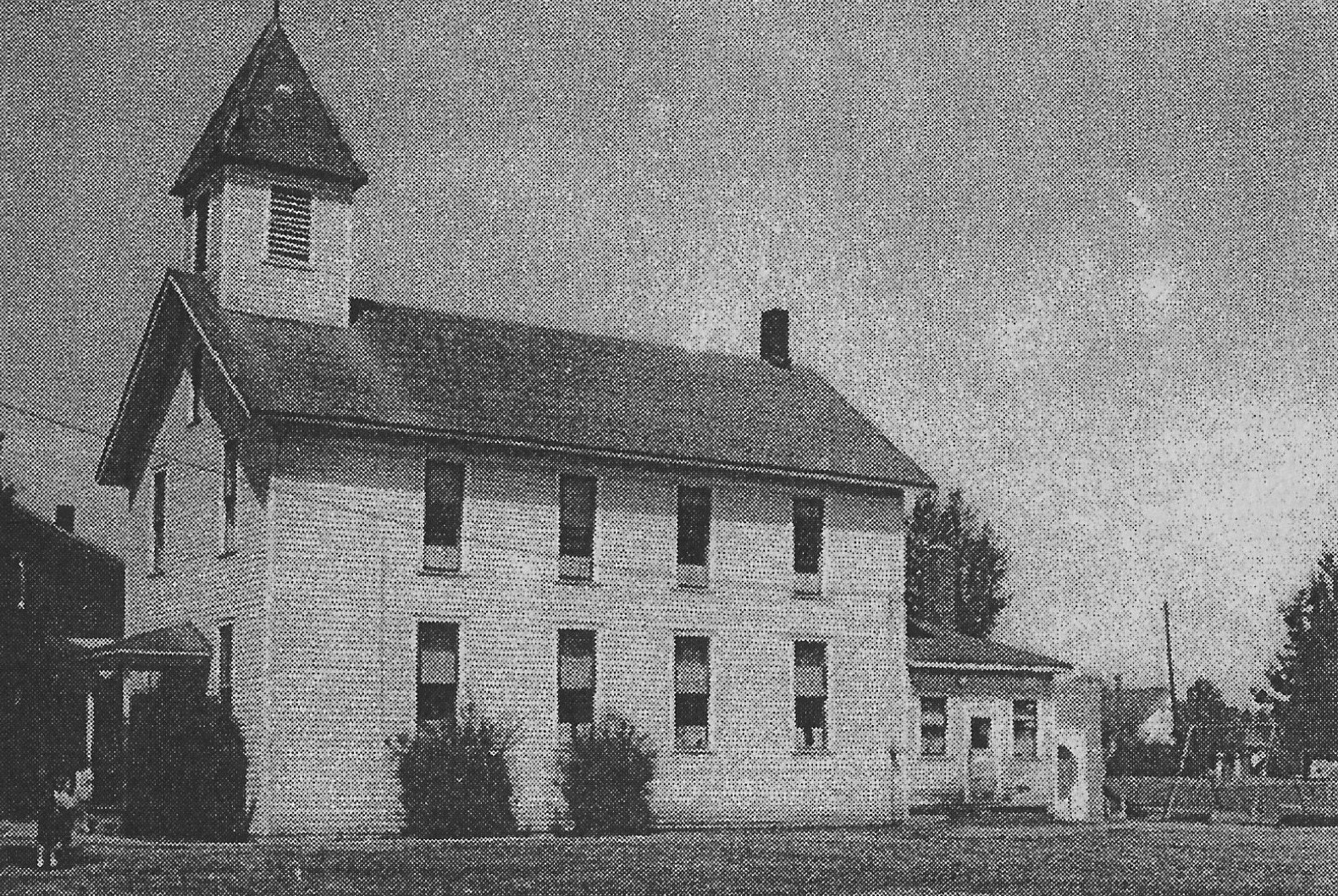
During the school year when leadership in the U.S. changed over from Dwight D. Eisenhower to John F. Kennedy, I was a 3rd-grade student on the top floor of the school pictured, above. Already outdated by standards of the day, my building held dark, steep wooden stairs leading up from the first floor and a bell rope hanging over the stairwell, for some lucky kid to pull and dangle from while announcing the start of the day. A chilly cloakroom stood at the top of the stairs, and the classroom was furnished with the old sleigh-style wooden desks, fashioned with inkwells where bottles of ink had once rested.

That same year, some changes had taken place in the leadership of our school, as well. We had a new teacher! Miss Spaude was special for many reasons, I am certain. But the most obvious difference her students noticed right away was that she was bald! This teacher is my favorite and most memorable from elementary school, and I have incorporated her into several of my written works. Happily, my rhyming story, “Miss O’Blair Has Lost Her Hair,” is now published at Storyberries! I hope you will enjoy reading it (for free) as much as I enjoyed writing it, while walking down “memory lane.”

I would like to thank Sue Clancy, writer and illustrator extraordinaire, for the information she generously shared on her blog about Storyberries.

I hope you enjoy the visit to my old school through this post and in the linked story. Just several years after my tale was set, a more “modern” brick building was erected next to this one, and my white frame school was leveled. I felt very sad about that, and I like to keep the memories alive through my writing!

Leaders of the Pack

Lake Superior in Upper Michigan

While living in Upper Michigan, I had the opportunity to observe some rather unusual wildlife, including foxes and black bears. At times, the experiences felt a little too close for comfort!

An early spring walk near a Lake Superior beach offered one such encounter. A face-to-face meeting with an indeterminate species brought about a rather humorous situation, which I recently chronicled in my short story, “Much Different Animal.” I’m happy to say that my tale now appears in the U.P. Reader Volume 4!

The book has stories and poetry by authors who live in the Upper Peninsula or who, like me, have ties to that beautiful area. I asked those interested in winning a copy of this book to let me know in the comments. Out of a shoebox, I drew Maria Donovan at Facts and Fiction as the slip for the lucky winner! Thanks to all who entered, and I’ll be sure to post the story as soon as the rights revert to me.

Finally, with the title of this post, I just couldn’t resist the following video:)

Fantastic Find at the Bookstore #9: Sewing Up Memories

As my regular readers already know, I adore bookstores, especially those that feature used books! To put an even finer point on that, I love the shops that carry other various types of vintage items, such as maps, magazines, product leaflets, branded recipe booklets, and the like.

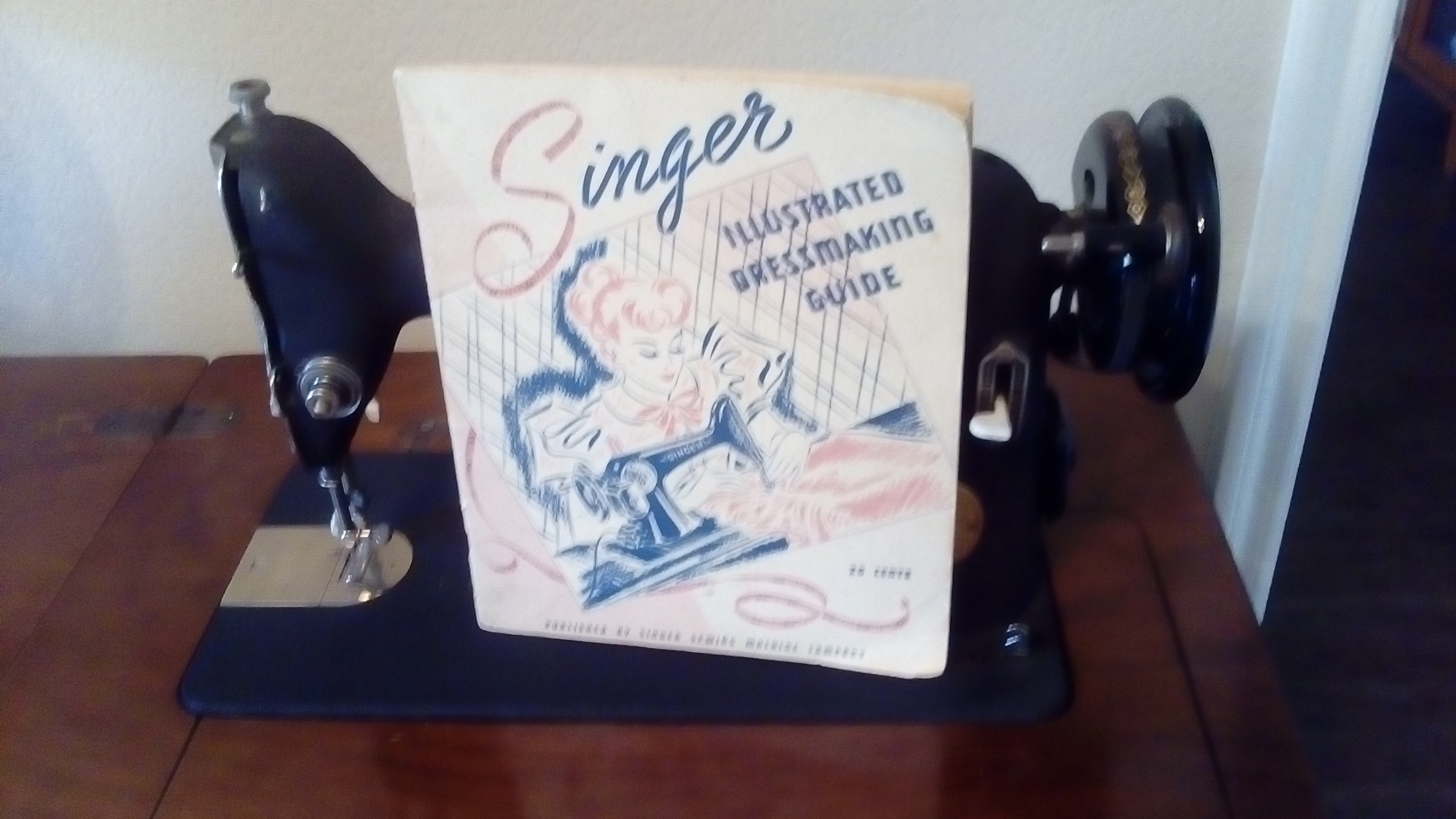
One of my favorite such spots is located in Moran, Michigan, called “The First Edition, Too.” It was there where I was thrilled to come across the 1939 Singer Illustrated Dressmaking Guide pictured above. This was especially fitting, since I sewed as a teenager in Michigan on my mother’s Singer, which now “lives” in my Texas apartment. The slim booklet shows drawings of sewing strategies such as shirring, insets, and pleats. There are even sections all about sewing for infants and making “first school dresses.”

Martha Kennedy, who blogs at I’m a Writer, Yes, I Am,” wrote a great post about her grandmother’s sewing machine. This got me thinking more about my own, shown above! Martha’s appears to be older and much more ornate than mine, as a treadle machine compared to my electric model. As you can see, I still have the original box with attachments.

I found an interesting website for the International Sewing Machine Collectors’ Society (ISMACS), where I zeroed in on some info about my machine. Based on the serial number, mine is a Singer series AH model and probably purchased about 1947-48. This makes perfect sense, as that would be around the time my mom had her first baby, my older sister, Terri. She may have sewn her infant layette on that machine!

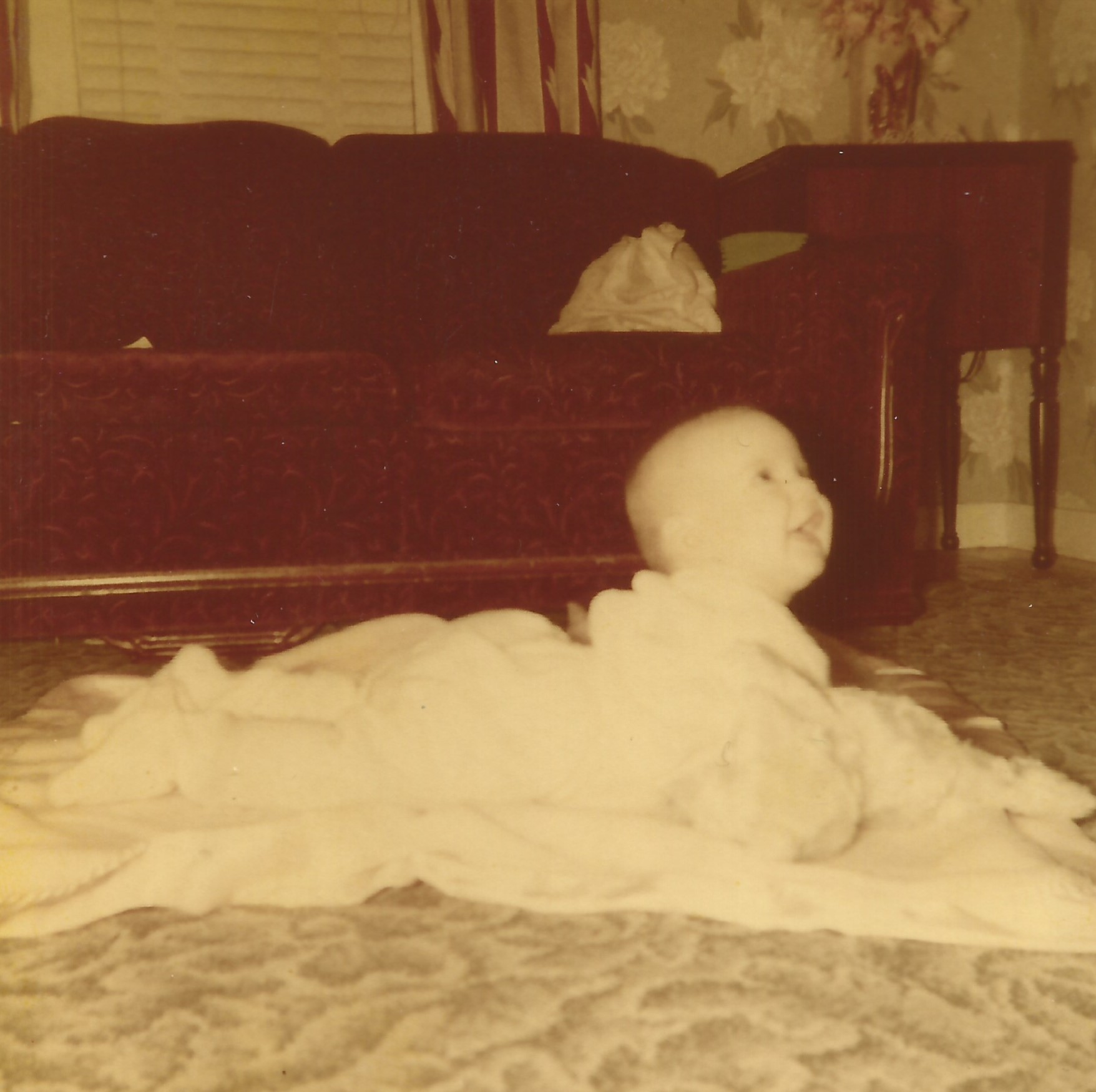
Looking through old pictures, I was pleased to find one from when I was about six months old. My mother’s Singer sets next to the couch behind me. Although Mom sewed quite a bit when her kids were young…clothing, doll clothes, and items for the household…I think she used it mainly just for mending in later years. I’m sure happy my mother hung onto this machine, since it brings back such sweet memories for me.

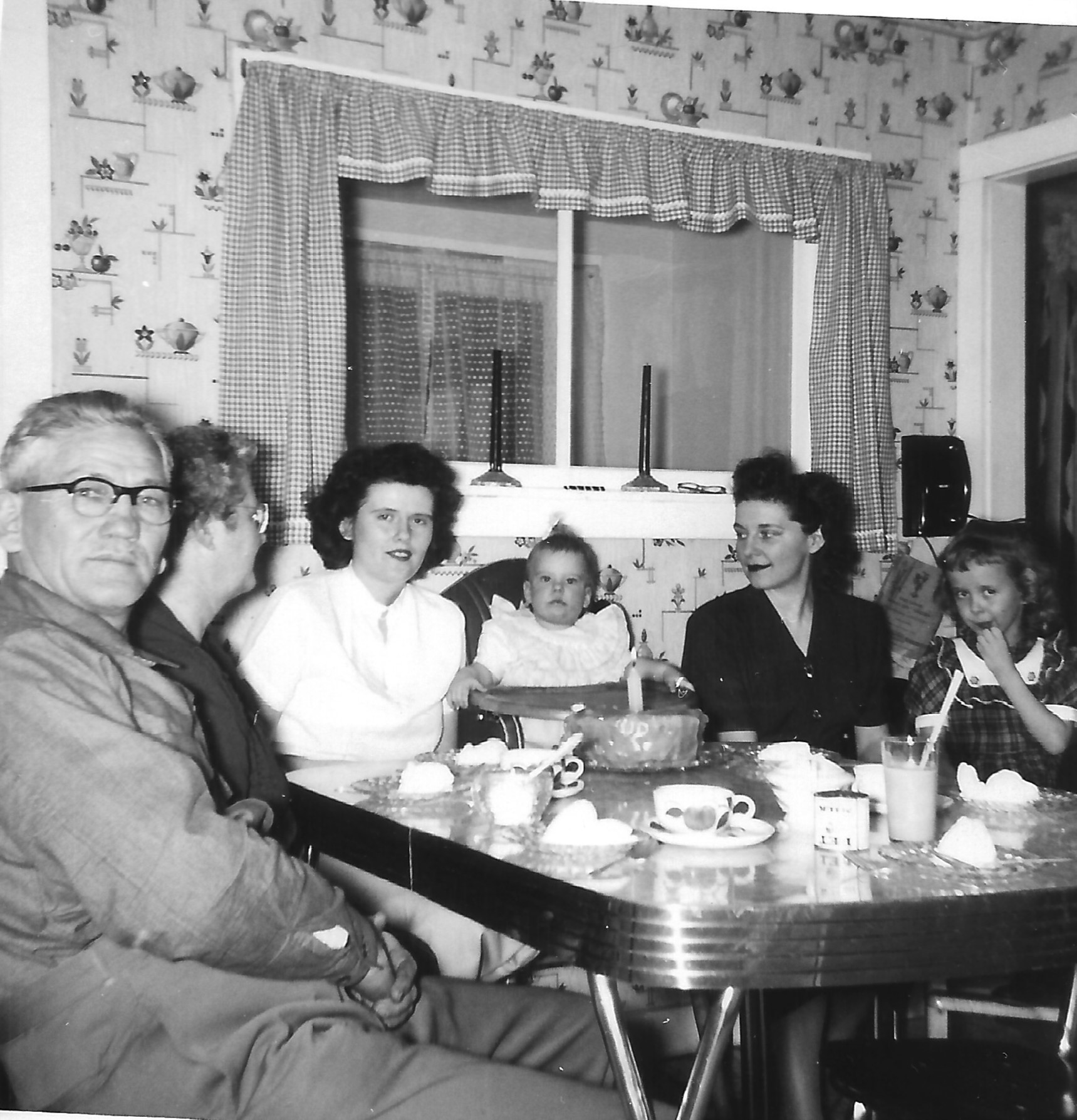
In honor of Mother’s Day, I’ll share one more photo, showing my maternal grandparents (Rudolf & Frieda Witzke), Mom (Ella Witzke Ross), Aunt Frieda (Mom’s older sister), and my older sister, Terri. This photo was taken in Tawas City, Michigan, on my 1st birthday, and I imagine my father, Philip Ross, was the man behind the camera. Now I’m wondering if Mom sewed those cute, gingham kitchen curtains on her Singer!


Boo Boo’s 15 Minutes of Fame

National Walking the Dog Day – Who knew there was a special day on the calendar to celebrate walking the dog?! When I saw this announcement,  I thought back to a newspaper picture from 2012 I had saved in an old, decorated picnic basket. On the day captured above, I took my dog, Boo Boo, for a walk near what was then my home in Sault Ste. Marie, Michigan. I remember that autumn afternoon in mid October was beautiful…sunny and mild with plenty of colors remaining on the trees and ground cover. I can still smell that musty scent of fallen leaves.

A gentleman from The Evening News drove by and stopped to ask if he could take our picture. I agreed, thinking this would somehow immortalize my aging Shih Tzu. I spelled our names for the man, and he went on his way after clicking this photo. As you might notice, when this was published in the newspaper, my name is misspelled, but Boo Boo’s is not. Seems only right, since it was my faithful friend’s 15 minutes of fame.

I loved taking this sweet dog for walks, even in cold and snowy weather. We both benefited from the exercise and fresh air. It gave us time to be alone. I often talked with him about the things on my mind, and he was a wonderful listener. We had some adventures on our strolls, as well, such as near misses with skunks and snow plows. Over the years, we met many cute kids and sometimes scary stray dogs, who always wanted to come close and say hello. I was lucky to share many hours with such an affectionate and determined little guy and miss him more than I thought possible! I still walk, but it’s just not the same.

Younger Days with a Shorter, North Carolina Haircut

Children’s author, Elizabeth Stevens Omlor, and illustrator, Neesha Hudson, have captured the joys of walking our furry friends in their adorable book, Walk Your Dog. Important themes of teamwork, cooperation, and patience are beautifully addressed. You might want to look for it at your local library or bookstore!

River to Skate Away On

Becky at 5 with new skates
Becky at 5 Years with New Skates

Like most children growing up in Northern Michigan in the Fifties and Sixties, I learned to ice skate. I wasn’t talented, since my ankles were rather weak, but I enjoyed the activity. The holiday season transports me back through the years to the ice ponds of my youth. The current temperatures here in Texas have even stayed low enough to help the temporary rink at the corner stay frozen, and I enjoy watching the skaters from my second-floor perch.

In childhood, we often skated to music at the large ice rink in a neighboring town. Memories of frozen toes and the song “Sugar Shack” surface when I think of those years. Before the climate started to change (and before we knew it would turn into a crisis), a winter recreational area called Silver Valley, in the Huron National Forest situated near my hometown, offered toboggan runs, skiing, and frozen ponds for skaters. Being a cautious child, skating was the only thing I wanted to try, and I remember the rinks being much too crowded for my taste.

Log Warming Shelter at Silver Valley

Even closer to home, we had several other options. My clearest recollection is the time my dad shoveled the snow off a large area of ice on the creek behind our house. My mother was prone to worry, so the creek was a place she often warned her children to avoid during the other seasons, for fear we would slip into the water. With that same fear in the back of my mind, the idea of skating on that frozen version still seemed scary to me. I imagined the snapping turtles, snakes and minnows underneath the crust just waiting for me to fall through. My brother and sister agreed to try nature’s ice, along with a group of neighbor kids. Who was I to chicken out, so I finally agreed and followed my father toward the creek.

The surface was a bit bumpy, but I was just hitting my stride when I heard Dad yelp in surprise. My worst fear had come true, and he’d fallen through the ice! With a pounding heart I skated his direction, near the bank. As it turned out, his one leg had gone through just to the knee. He said it was a mushy spot in the ice caused by some trickling water entering the creek. Not sure if it was from a natural spring or some type of city pipe. That was all I needed, and I hung up my skates for the day!

One year, my dad made an ice rink right in our back yard. Just as he would come home from work in the warm seasons and turn on the hose to water the flowers, that winter, my father often got out the hose to add more water to form a new layer on our rink. That was also a little bumpy, I remember, but it was fun to skate in our yard and quite a novelty to share with our neighbors. I asked him about that, years later, and he admitted it was a lot of extra work, but he knew we liked it, and he hated to give it up once he got started.

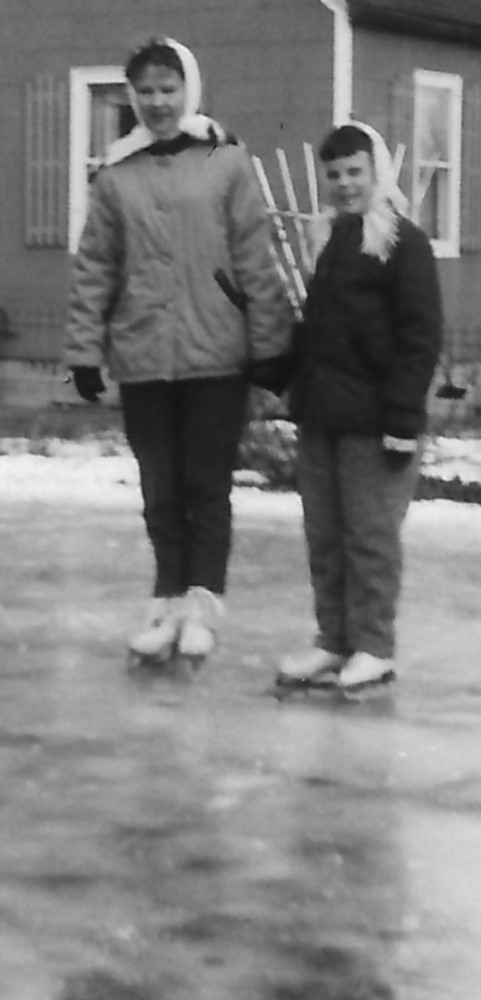
1961 – Big Sister, Terri, and Becky  Skating in Yard

I couldn’t possibly write about ice skating without including one of my favorite songs, “River,” by Joni Mitchell. Sad but lovely.

Lonely Road

This time of year, especially during a cold snap here in Texas, I often think back to my harrowing trip when I moved to Michigan’s Upper Peninsula. My story, “Lonely Road,” was first published in U.P. Reader in 2017. I hope you enjoy it!

Lonely Road

“It probably won’t snow much,” he assured me. His voice was confident, but concern flashed in his eyes behind wire rimmed glasses. Was that worry connected to the driving conditions or to the direction we were taking our relationship? I sat on a bench outside the mom-and-pop restaurant in Munising and quickly exchanged shoes for fur-lined boots.

Since we had no good way to communicate on the road, before cell phones, we agreed ahead of time to meet there for lunch. The waitress had alerted us to some messy weather on our intended route along the lakeshore, at the same time she offered dessert of apple or raspberry pie.

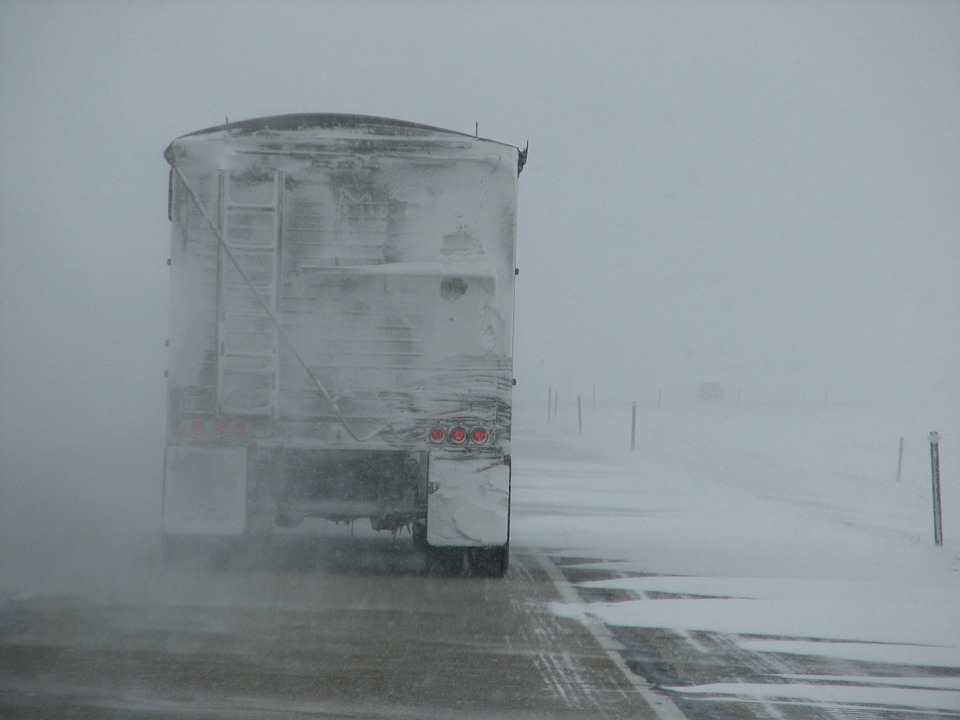
I was moving from downstate Michigan to join him in the Upper Peninsula city of Marquette, where we planned to give our marriage another try. He waited for a large logging truck to pass, waved a little salute, and then carefully pulled his dark Jeep and the trailer that carried my belongings onto the road.  I followed in my small, silver car and watched the first flurries of the season begin to decorate the landscape.

While I drove, I focused on our future together and hoped we had made a good decision. Typically a nervous winter motorist, I tried to push away any anxiety about slippery roads.  Fewer vehicles shared the two-lane highway with each mile, and the area became increasingly remote.  Pine and bare hardwood trees were thick, and homes or businesses became scarce.  The few towns and villages we passed were each marked by a lone stoplight or blinker. The flakes fell faster, blown by escalating winds.  For better concentration, I turned Van Morrison down a bit and switched my fan onto high for more heat.  Rarely catching sight of the Jeep through the thickening white, I reduced my speed to keep the car from sliding.

When I passed the first snowplow, I was relieved the county was prepared for the early blizzard.  Even so, they seemed to be having trouble staying ahead of the swiftly falling snow.  I fought the wheel to hold my course and regretted that my vehicle was so light.

Weather near Lake Superior is famously extreme and can change drastically without warning.  A perky voice on the radio suggested Marquette would receive only a dusting, and I expected to be out of the worst of it before long.  Although the clock read early afternoon, the sky was a deep leaden-gray.  A pickup with darkened headlights passed me, and I flashed mine, hoping they got the message. I stared ahead and followed imprints of tires that shifted with each gust.  Time slowed to a crawl.

The Jeep must have been well ahead of me, since I hadn’t seen it in quite a while. My fingers gripped the steering wheel too tightly, going numb, and I tried to relax them.  I shifted by body forward in an attempt to see the road more clearly through the effects of the howling wind.

Any expectation of heat for my toes long abandoned, I diverted all warm air toward the defroster to retain a clear view.  My wipers laboriously worked to clear the expanse of glass, but to no avail.  Ice began to form on the blades, and portions of my windshield became opaque.

I followed what seemed to be a single vehicle track, at times, and avoided the disappearing ditches. I wondered occasionally if I was even on the right side of the road in that tunnel of white.  Minutes felt like hours.  Although my teeth chattered from the cold, I detected droplets of sweat trickling between my breasts. Heart pounding in my ears, I knew pulling off the road was a magnet for trouble, but finally felt there was no choice.

In the stilled car, I turned on my emergency flashers and wondered how he fared.  His Jeep with four-wheel drive was more suited for the weather, but hauled that unfamiliar trailer.  Through the span of thick whiteness, I saw a barely visible, blinking light moving toward me.  Another plow, I guessed, and prayed its driver could see my vehicle where it sat.  In relief, I determined it was well on the opposite side, as it crawled closer.  When it stopped across from my snow-covered car, the driver cranked down his window and motioned for me to do the same.

“Broken down, ma’am?” the ruddy-faced man hollered.

“No. I can’t see where I’m going,” I called back.

“Good,” I was surprised to hear him respond, over the sounds of the gale.  “There’s a place back a bit, from the way you came. A parking lot to get off the road.”

“Didn’t see it,” I responded, shaking my head in the negative.

“Turn around, and I’ll lead you there,” he yelled and rolled the glass closed before I could answer.

My whole body vibrated from cold and fear. I searched both ways through the whiteout for any oncoming traffic and held my breath.  The car struggled for traction and finally completed a slow u-turn, while I joined the giant machine in a wintry parade.  After a mile or two, the driver reached his arm out the window and pointed a gloved hand to the left.  I spied a parking lot that held several cars covered in white, tooted my horn in thanks, and turned.

Through deep drifts exposing few traces of recent activity, I drove close to the building.  After my engine was quieted, I first heard a loud ringing in my ears, followed by silence only the insulation of thick snow and ice can provide.  I grabbed my hat and gloves from the seat and started the short trek up to what the dilapidated, crooked sign announced as the ‘Tioga Tavern.’

At a small table near the dancing fire, I took off my gloves and held a cup of coffee for comfort, more than anything else.  I assured the welcoming bartender that I wasn’t interested in something to eat. His eyes seemed curious about my situation, but he didn’t ask. Peanut shells embellished the floor, and a silent, old-fashioned jukebox rested on the other side of the scarred, wooden dance floor.  It must have been quite the hot spot on a Saturday night.

Not sure what to do next, I waited for the adrenaline to subside and willed the weather to clear.  I hated making him worry, but knew he might be driving on toward Marquette without realizing my absence.  I also feared he may have slid off the road and needed help. If I called the police, would they look for someone missing in the storm?

Besides the bartender, the only inhabitants that stormy afternoon were a few ancient men in flannel shirts and suspenders, who played some sort of a card game at a table, and several talkative couples at the bar.  While I sipped the hot, bitter liquid and argued with my inner self over what action to take, I heard a jingle from the door. A burst of cold air followed a laughing, young couple into the room.  They climbed onto stools at the bar and ordered hot chocolates fortified by peppermint schnapps. After they took turns visiting the restroom, they settled in to sample their drinks.

“Man, it’s nasty out,” the young man said to the bartender.  “Would you believe, we passed a crazy guy walkin’, back there! He was tryin’ to find a woman’s car. Said she might’ve gone in the ditch, and he needed to walk so he wouldn’t miss her.”

“I wonder…” started the man behind the bar, glancing my direction.

Jolted by their words, I took a deep breath and joined them. “Excuse me, but I couldn’t help but overhear.  Can you tell me what the man looked like?” I asked the newcomers.

“Hard to tell under all that winter gear, but he seemed to have a reddish beard,” the young man answered.

“He wore glasses,” his female companion said, “They were kinda frosting over.”

I grabbed my gloves, headed to the door, and opened to the wailing blizzard.  Like frozen sand, it stung my eyes and I raised my hands to protect them.  Peering beyond the expanse of the parking lot, I saw a hooded figure in a heavy winter coat adorned by patches of white. He trudged alongside the road with his head bent against the icy onslaught.

Wild laughter of reprieve bubbled up from inside, and I yelled against the wind. I ran toward him through peaks and valleys of snow, like in a dream where movement is almost impossible.  Since he didn’t see or hear me, his head remained down as he plodded determinedly ahead.  When he finally sensed movement, his head jerked up to meet my familiar face. He veered off what was probably the shoulder of the road and headed toward me. Finally close enough, I leapt at him, and he caught me in his arms.

“Are you okay?” he asked, in a voice nearly stolen by the wind.

“Now I am,” I answered, so sure our life would be good.

I solemnly looked toward his eyes.  He gazed back, removed his mitten, and tenderly touched my cheek.

In the many years spent together, we often traveled that same isolated stretch of highway. The sign for the Tioga Tavern still hung lopsidedly from the front of the building. No matter the season, the windows remained dark, and no visitors were seen approaching its door. Had that warm building and the helpful people within been real, or were they figments of my imagination? I may never again feel the complete certainty about anything as I did on that day.