
Season of Spooky Stories

Although scary stories are popular year ’round, it seems like even more spooky books and movies start coming out in autumn, leading up to Halloween.

When I was a kid, we had the hard cover version of this Alfred Hitchcock book in our house. The first story in it is “The Birds” by Daphne du Maurier. I was captivated! And of course, I had to see the movie when it came out. I still love that movie to this day. What fun it might be to attend the annual film festival held in Bodega Bay, where some of the scenes were shot!

I still love creepy stories and have recently tried my hand at writing a few for kids. I’m happy to say that one of them, “Waters of Change,” has been published in the 8th Volume of the U.P. Reader! My story is based on a local legend from the Tawas area of Michigan, where I grew up. Two of my grandsons are the main characters. It was such fun to write! I can’t share that with you here until next year, but meanwhile, I’ve written another other-worldly story for kids.

Here’s some background: Several decades ago, I had the pleasure of living next door to Margaret Johnson in North Carolina. Her husband, F. Roy Johnson, was no longer living but had been an author and collector of local legends. I wove another grandson, neighbor Margaret, and one of her husband’s retold tales into this story:

The Girl Dressed in Brown

by Becky Ross Michael

Soon after the plane landed, Grandma spotted him wearing earbuds.

“Danny!” she said, giving a hug.

“Hey, Grandma. But I go by ‘Dan’ now that I’m in middle school.”

“I’ll try to remember,” she agreed with a smile. “Grandpa’s outside.”

Once settled in the car and riding toward their Murfreesboro, North Carolina, home, Grandma turned in her seat and motioned. “How about you unplug so we can talk?”

“Yeah, okay,” Dan said, freeing his ears. “Mom says you have a dog?”

“We do! Grandpa bought him for a few dollars in a parking lot. So we named him Parker.”

When they neared their destination, Grandpa pointed out a few spots of interest. “This is the main street. As you can see, it’s quite a small town.”

“I’ll say. I don’t know why I couldn’t just stay home with a friend. This is my last week before school starts.”

“Your mom had to travel for her job and thought it would be a good chance for you to come and visit,” Grandma said. “Our semester at work has already started, but we’ll take you to the beach this weekend.”

“Mom’s always gone,” Dan frowned.

“We’ll show you the Chowan University campus where we teach before going home,” said Grandpa, filling the silence. “We live right across the street.”

Students dressed for the hot weather hurried along the sidewalks, and low buildings lined the curving drive. Trees blooming in reds and pinks decorated the lush green lawns.

“Is this all of it?” asked Dan.

“Yes,” Grandma said, “it’s a small school but a good place to work.”

“That beauty ahead,” said Grandpa, “is McDowell Columns Hall. It’s a great example of Georgian Colonial style and was built before the Civil War. They use it for administration offices.”

In front of them, the white, three-story building with eight tall columns rose majestically. A second-floor veranda reached along the front, and a wide porch on the main floor held white, wicker rocking chairs.

When they arrived at their nearby red brick residence, the little black dog, Parker, yipped in glee and ran around in circles.

“Let’s take him out, and we’ll show you the yard,” suggested Grandma. Outside, they tried to interest Dan in the various plantings.

“What’re those weird fruits?” he asked, snapping to attention. Dan pointed at a small tree near the edge of the yard. “They look kinda like an apple mixed with a pear.”

“They’re quinces,” Grandma said. “We’ve never eaten them, but the blossoms each spring sure are pretty.”

After dinner, Dan excused himself to the fold-out couch in the study. “I’m meeting a buddy online to play a game,” he said.

Much later, Parker yipped into the dark to go out. “I’ll take him,” offered Dan, meeting Grandpa in the hallway.

The campus was well-lit and quiet, so Dan crossed the street. Nearing the stately Columns Hall, he saw a young girl standing on the wide porch. As he approached, Dan noticed she wore a long brown dress made from a fancy material that seemed out of place.

“Hello?” he said. “What’re you doing here?”

“Why, I live here at the school,” she answered in a heavy Southern drawl.

“You don’t look old enough to be a college student.”

“This is my last year at the girls’ school. I have promised to marry my beau when he returns from the war.” Leaning to pet the dog, Dan heard her dress fabric make a soft swishing sound.

He studied her pretty face, shimmering in the reflection of the porch light.

“Be well,” she said, raising her hand in goodbye.

“Good to meet ya,” Dan said but realized the girl had already disappeared.

The next day, while riding to the ocean, Grandma insisted on no devices and tried to make small talk. “Are you looking forward to school starting?”

“Nah.”

“How was it last year?”

“I have a few friends from elementary,” said Dan. “The other kids seem mean or stuck-up.”

“How so?”

“Some of ‘em put you down if you don’t play sports. Others brag about their high grades and careers they’re already planning.”

“Where do you fit in?”

“I don’t. That’s the problem. Are we almost there?”

That night, Parker didn’t even have to ask. Dan grabbed his leash and slipped from the house, heading for Columns Hall. There she was. As he approached her, the girl smiled in recognition.

She wore the same brown dress, which seemed odd. Suddenly turning her head as if picking up a sound, the girl glided away into the shadows. Dan stared into the dark, feeling a shiver despite the warmth.

Dan was happy to be alone while his grandparents were at work the following day. He took Parker into the backyard to play. That was when he caught the white-haired quince robber.

Grandma later asked, “How was your day?”

“You didn’t tell me there’d been a famous person living next door.”

“What do you mean?”

“Miss Margaret gave me lemonade and showed me a bunch of her husband’s published books and stuff.”

“Oh, Margaret! Yes, her husband died before we moved in.”

“Sounds like he was kinda famous around here.”

“That’s what I understand. How did you meet?”

“I thought she was stealing quince from your tree and yelled at her. She promised that you had told her it was okay. And then she asked me to call her Miss Margaret. She plans to make quince jelly.”

“Glad you met,” laughed Grandma.

“Yeah, and she loaned me one of her husband’s books. She seemed kind of lonely. We talked for quite a while, and she told me I’m a good listener.”

“You must not have had your earbuds in,” Grandma chuckled.

Soon after sunset, Dan holed up in the study. He texted with one friend and then played online games with another. Finally, Dan opened Miss Margaret’s book. That’s when he saw it. A story written by her husband was based on a local legend called “The Brown Lady.” With his heart beating wildly, Dan read about the young woman who “died of a broken heart” when her future husband was killed in the Civil War. People on campus reported hearing her garments swishing in the breeze. Others caught sight of her ghost wearing a long brown dress.

Was he already too late?

Sneaking downstairs, Dan clipped on Parker’s leash and let himself out the door.

But he realized she was nowhere in sight when he crossed the street.

Maybe he was wrong. Was he crazy?

Parker saw her first, raising his whiskers toward the second-story veranda. The girl was leaning out over the railing as if planning to jump.

“No!” Dan yelled. Wrapping Parker’s leash around a pole, he ran and climbed a trellis covered with thick, flowering vines.

When Dan reached her side, the girl shook her head as if returning from a dream. She began to cry.

Dan dug a tissue from his pocket and then urged her down the trellis. After gathering Parker, they sat and rocked on porch chairs. He listened while she poured out her heart. At first light, the girl told him how comforting he had been

“You are a wonderful listener,” she said. “I imagine you often help others with that kindness…” And in the next instant, she was gone.

When Dan’s visit ended, Grandma found the book with a note stuck inside. She walked them over to her elderly neighbor’s house. Margaret handed her a glass jar of quince jelly in exchange. As Grandma passed her the book, the note fluttered to the ground:

Dear Miss Margaret,

Thanks for sharing the good book. And I might know what career I want to follow someday. You and someone else told me I’m a good listener. Maybe I’ll be a counselor who helps others!

Dan

Spring Colors in North Texas

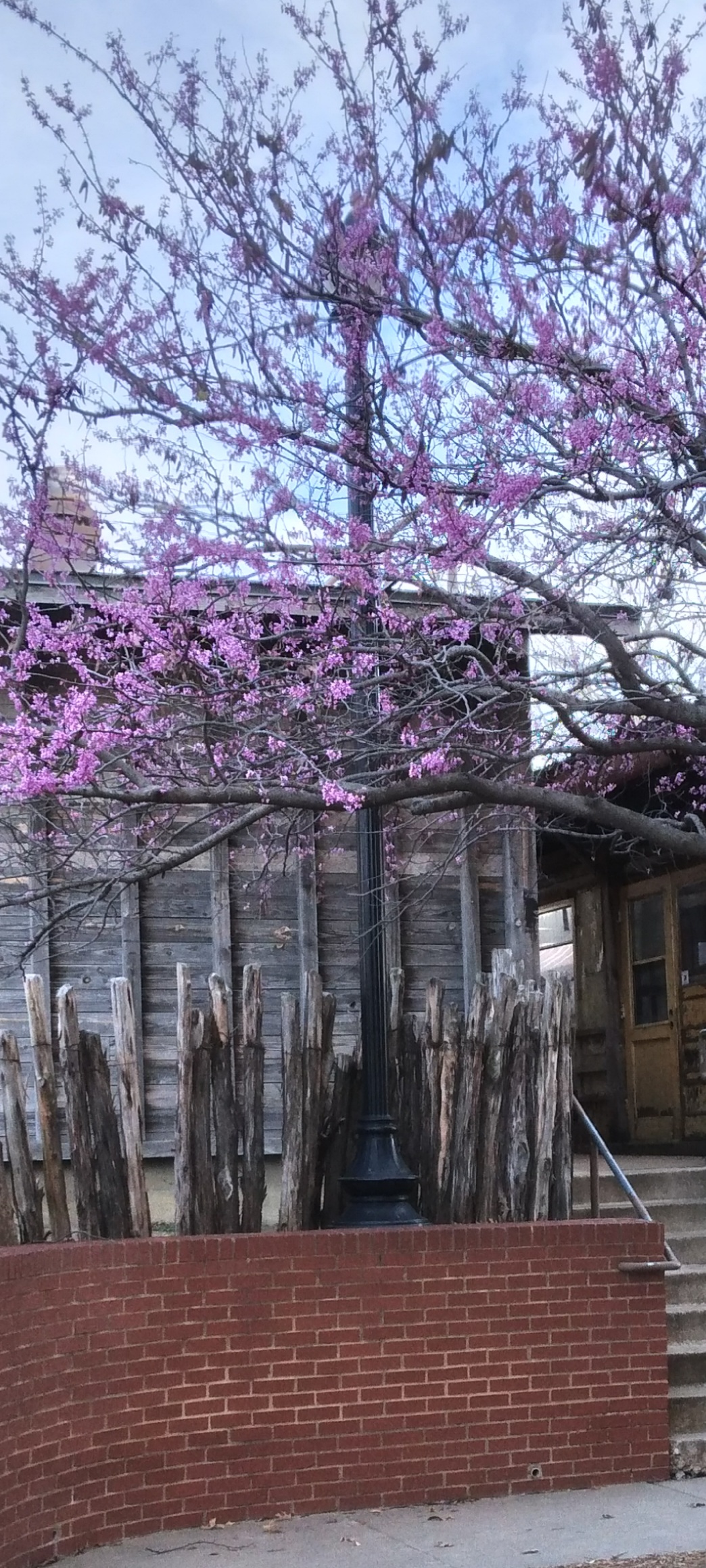
Although I find little to like about Texas weather, I do enjoy the milder winters and spring’s early arrival. Over the weekend, I took these pics on several of my walks. I even started some Texas wildflower seeds in pots on my balcony this week to try my luck.

Speaking of growing things, my short children’s story, “Magic in the Garden,” was recently published at Tebok Kai. Almost five years ago, I wrote a post about William Donahey’s Teenie Weenie characters. And I must admit, I had those miniature beings in mind when I wrote this story!

Looking Back While Moving Forward

Becky as Mrs. Wishy-Washy,
Joy Cowley’s Delightful Character

I try not to dwell on the past, but I often enjoy thinking of my teaching years. I especially loved teaching reading, using books like Joy Cowley’s “Mrs. Wishy-Washy” stories. Many times, I’m able to effectively use my background in education to enrich both my writing and freelance editing work.

My editing projects sometimes involve non-fiction educational materials. And, of course, picture books provide an abundance of teachable scenarios. Blog articles I’ve written aimed at early childhood education have also been published, along with several decodable readers.

I’m happy to say that one of my fiction stories has recently been published, which combines reading instruction strategies with a fun fantasy setting. Click here to meet Mr. Zappo and his “buzzing letters.” He and Ms. Exeter are the early elementary teachers we each would have been lucky to meet while learning to read!

A Perfect Setting for Suspense

Tawas Point Lighthouse

I was lucky to grow up in Tawas City, Michigan, near beautiful Lake Huron and the long point of land that forms Tawas Bay. The lighthouse at Tawas Point always fascinated me and felt somewhat mysterious. When I began planning a suspense story, that area seemed like the perfect setting!

In the summer of a 1960s vacationland, an encounter offers a tempting renewal of a bond from the past. My fictional tale, “Yours Till Moonlight Falls,” visits the dark side of human desire for connection. And I am happy to say it has found a publishing home at Mystery Tribune!

Click here to read the story. Is that the screech of gulls you hear, or could that be something else?

Plants and Publication!

Becky’s Balcony Mid-May

Happily, my balcony garden is growing well, especially that huge tomato plant! The trick here in Texas seems to be starting plenty early (mid-March) so the plants are well established before the overwhelming hot weather hits. I already have lots of little green cherry tomatoes. I enjoy reading out here!

I’m also pleased to report that my story “Shelf Life” now appears in the 7th edition of the U.P Reader (Modern History Press). In this twisted tale of revenge, a woman discovers some shocking news and proceeds to serve an unusual recipe to guests! I’ll have to wait a while to share that one with you. Meanwhile, I hope you’ll enjoy my story below, which was published last year and features a very different type of meal.

Dinner for Two

by Becky Ross Michael

Built at the advent of the twentieth century, the proud house on Tamarack Street keeps watch over the neighborhood. With a facelift of white paint and new porches, the home embraces the whispers, laughter, and tears of those who came before. Tulips and daffodils reappear like clockwork each spring, and perennial flower beds rebloom every summer. Each autumn, the maple leaves let go of life and flutter to the ground. And the inevitable snows blanket the dormant lawn and insulate the foundation every winter.

Within the walls, modern updates conceal remnants of faded papers in floral prints and musty wooden lath. Residues of past colognes and stale cooking aromas occasionally escape into the air to puzzle the present-day residents.

***

In the kitchen, snowflakes swirl beyond the windows as the man carefully constructs a multi-layered vegetable dish. No meat or dairy, as a nod to her favored eating trends. Together, they learned to cook by trying new recipes and ingredients in their remodeled kitchen.

A snowplow churns past the corner, throwing a wall of white.

He places the pan into the oven and sets a timer for one hour. Surely, she’ll come. It’s her birthday, after all. Taking a sip of white wine from his glass, he glances at the bottle of red set aside for the occasion. I hope she’s careful driving on these roads.

While cutting and chopping vegetables for a colorful salad, he thinks back to other birthdays. One year, he hired a string quartet to accompany their meal. For another, the two dressed in Victorian garb for the memorable occasion. The man chuckles aloud, thinking of a time early in their story. The beef Wellington had refused to bake beyond an overly rare pink. Maybe that led to her dislike of meat?

He checks the timer and savors the lovely smells filling the kitchen. Now to set the dining room table. He has purchased roses, not easy to find in the North during long winter months. I’ll wait to light the candles. While choosing some of their favorite music, the man rests on the sofa near the fireplace, enjoying the ghostly reflection of flames dancing on the surrounding tiles. With escalating winds outside, the old house creaks and sighs.

The sound of the timer startles him, and he moves back to the kitchen, switching the oven from bake to warm. As he reaches for the wineglass, the man notices the quickening beat of his heart and admits to feeling nervous after all these years. Things have been rocky between them, as of late, with more time spent apart than together. Hopefully, this evening will be a step in the right direction.

Seated at a small bistro table near the stove, he finally opens the saved bottle of red wine, noting her still-empty glass. The sky is now dark. Through the frosty window above the sink, he sees the revolving white lights of a snowplow as it cycles through the neighborhood. He peers at the clock and is at first surprised to admit she is late, worrying that dinner will turn dry.

The furnace clicks on, disrupting the stillness in the room and breathing a soft puff of air upon his neck. Suddenly, a new dread grabs hold of his mind. What if she’s hurt and needs me?

When he jumps to his feet, the man’s shoe catches on wrought iron. The chair topples on its side with a clatter and jars his senses. Only then does he remember that she is gone. There will be no more shared birthday dinners or plans for a renewed future. The rooms will remain silent and lonely. They had already said their final goodbyes without realizing the truth at the time. This life is the “empty after” he has always feared.

With tears of regret burning his eyes, he leaves the warmth behind and heads out for a cold winter’s walk. After the door is closed and latched, the house heaves a long moan of sorrow.

Historical Houses as Fictional Characters

Laurium, Michigan

I have no idea about the names of the people in the photo shown above. But I know the house intimately. It was built around 1900 and had been updated countless times when I moved in over 20 years ago. The house still needed a great deal of work, and it really started to shine during the years when I was lucky enough to live there.

A kind resident of the small, Upper Peninsula town loaned me this old photo. They had known someone who lived on the street and realized I might be interested in this historical image of my house. I formed the mat around the copy of this picture with remnants of vintage wallpaper found hiding in the walls during renovations.

After mulling over my story, “Dinner for Two,” for years, I finally knew the missing piece. The house needed to play a more important part as a character, along with the man and then the woman, known only to the reader through the man’s recollections.

I’m pleased to say that my story now appears in UP Reader #6, which is published by Modern History Press! Because this just came out, I can’t share this tale with you, yet. But I’m happy to now post a story that I told you about last year…”Sumac Summer.” This is based on memories my father told me from his own childhood and was such fun to write. I hope you’ll enjoy reading about this young boy’s suspicions of a possible poisonous mistake!

Staghorn Sumac in Michigan

Sumac Summer

“Philip, why are you still awake?” Mom whispered. She carried a lantern to avoid the bright hallway bulb.

“Too hot,” I murmured, from my spot by an open window. Four brothers snored nearby. My six sisters were quiet in their room down the hall.

“A few more minutes and back to bed,” my mother warned, as she left on tiptoes.

Something outside moved from the shadows. Dr. Justin walked the path to my friend’s house with his black medical bag. Was Danny sick?

The stairs squeaked, and I dove for my pillow. I ignored the need for an outhouse visit, pressed my eyes shut, and fell into a sweaty sleep.

***

The air was even warmer when the rooster crowed the next morning.

“Looks like our next-door neighbors moved out,” my big brother, Harold, said at breakfast.

“No way. Danny’s my best friend. He wouldn’t leave without telling me.”

“When I delivered their newspaper, the window shades were still closed, and their car was gone,” said Harold.

“Dr. Justin was over there last night,” I said. “I wonder what happened.”

“I bet they didn’t move,” said my oldest brother, Ernie. “They probably got sick and died from poison, or something.” He clutched his throat and fell to the floor with a choke.

“Don’t tease,” Mom said with a frown. “Danny’s mother mentioned that his father had health problems. She said they might move closer to family in New York.”
                                                                     ***

By the end of that week, I decided Danny was gone for good. Harold reminded me it was my turn to cut the grass. I grabbed the wooden handle and gave our mower a push across the lawn. By the time I finished, the sun was high in the sky. My cheeks were on fire, and my mouth was dry as dirt.

I guzzled water at the kitchen pump and grumbled. “Why can’t we ever buy soda pop from the market?”

“Treats like that cost too much for a family of thirteen,” said Mom.

“Could we make more root beer?”

“That wasn’t cheap, either. And we had a terrible mess in the basement when a bottle exploded.”

“I have an idea for a drink,” Dad said, as he walked into the room. “It’s almost free and not messy to make.”

“What is it?” I asked.

“Sumac (‘sue mack’) juice. It’s been years since I made any, but I remember the steps.”

“Never heard of it.”

“The sumac tree’s red berries can be used to make a lemon-flavored drink,” said Dad. “Some people even call it sumac lemonade.”

I pumped another cup of water and listened.

“The family next door has gone. No one cares if we cut berries from those sumac trees between the two houses,” Dad continued.

“Guess not.” Even though the neighbors had only been gone a week, I missed Danny. He’d been my best friend and could even make doing chores seem like fun.

Dad eyed the trees through the kitchen window. “We’ll soak the berries in water until it’s pink and lemony. Sugar or honey adds a bit of sweetness. The flavor will be strongest when the clusters turn dark red. Here in Northern Michigan, we won’t see that until late summer.”

A quick look at Mom told me she was okay with his idea.  Hadn’t my parents ever heard of poison sumac? With a gulp, I swallowed the words so they wouldn’t escape from my mouth. What if Ernie was right? What if Danny’s family was poisoned? I wanted to trust Dad on this. But it might make us sick, or even worse!

When I checked outside, the skinny leaves on the short, thick trees were mixed with light green flowers. I didn’t see any berries.

Sleep didn’t come easy that night. I jerked awake. “Argh!!!” Danny and some strangers with hollow eyes and red drool on their lips visited my dreams.  Could that nightmare be a sign that sumac juice might not be safe?
                                                                             ***

Within a few weeks, little green berries appeared. They turned a rosier color each time I dared to peek at them. No words popped into my head to warn my parents they might be poisonous. I had to learn the facts before it was too late. Since it was summer vacation, I couldn’t ask my teacher. The library was the best place to start.

“Chores are done, and I’m going for a bike ride.”

“Sorry, Philip,” said Mom. “You’ll need to watch your younger brother and sister.  I’m late for my women’s meeting.” The screen door slammed before I could argue.

Paul and Eunice weren’t too heavy, and I could pull them to the library in our wagon. The shortest way took us past the blue water of the bay. If only we could trade places with the people who played in the waves without a care in the world.

The air was cooler inside the small, brick library. My sister and brother ran toward the picture books. I started my own search for adult books about trees.

“Philip Ross, I haven’t seen you here in a long time,” said the librarian after a while. “Could I help you find something?” She eyed my sister and brother. Had they emptied all those books from the shelves?

“Ah…no, thanks. We should get going.” I grabbed Eunice by the hand and Paul by the shirt. The walk back home with the wagon was even hotter, and I hadn’t learned anything helpful.

Once we got in the yard, I reached to check the trees and found blood-red berries. Some clusters were even covered with white, sticky stuff. We were almost out of time. My new idea felt scary, but I had no choice. I wiped my hands across my pants and planned for the next day.

                                                                       ***

I awoke early to a gray morning. After sneaking from the house, I steered my bike through quiet streets. I headed to the drug store, where one of my older sisters had an afternoon job. While I waited by the locked door for the owner, Mr. Keiser, I peered down the road through the fog.

Teacher told us that druggists go to college for a long time. That’s how they learn to make safe medicines. Mr. Keiser should also know which plants were safe. His tall body finally appeared from the fog. I ignored the lump in my throat and told him my problem. With a strange look, he motioned me inside the store.

“Aren’t you one of Pastor Ross’s boys?” he asked.

“Yes, sir, I’m Phil.”

“Tell me the details.”

He sat on a high stool, and I began with the way Danny and his family had vanished. I ended with my fear that Dad didn’t know the red berries were poison.

“Your worries are over,” he said. “That’s harmless sumac. You can tell by the red or purple clusters that point toward the sky. The sticky part you described has the strongest lemon taste,” he added.

“Is there a kind of sumac that’s poison?” I asked.

“Yes, but that looks very different. It has green or white berries that hang down.”

“Gee, thanks,” I said in relief, and stuck out my hand to shake his.

“Make sure you always check with your parents before eating anything that grows in the wild,” Mr. Keiser reminded me, as I turned for the door.

I flew toward home on my bike and jumped off before the wheels stopped turning. Fat drops of dew sparkled on deep purple berries. “They’re ready,” I yelled, at the back door. “It’s sumac juice time!”

***

As the sun slipped lower in the sky, I sat on our wide porch with my family. Dad filled glasses with sumac juice for everyone. Mom added frosty chunks from the large block the iceman had just brought. The drink was cool, sour, and sweet on my tongue. Everybody liked it, except Eunice, who didn’t like most things.

“Afternoon,” said the mailman, from the bottom step. Mom traded him a glass of juice for a few envelopes. He drank it and talked with my parents on the shaded porch.

Mom sifted through the mail as soon as he’d gone. She held up an envelope, written with ink. A cloud of worry crossed her face. “It’s a letter from out East,” she said and opened it. Her frown soon disappeared. “Philip, it’s from Danny’s mother. She says they left early that morning to beat the heat and apologizes for not saying good-bye.  She’ll work in her family’s store while her husband recovers,” Mom folded the page. “Time will tell, if they’ll move back to Michigan.”

“I’m glad they’re okay,” I said and turned away to hide my sadness.

“Danny sent you a note, Philip.” She raised a paper written in smeared pencil.

I grabbed it and hurried to the side yard that overlooked my friend’s old house and the sumac trees. Danny’s story made me laugh out loud. On their way to New York, he and his mother had to change a flat tire. He described the scene so well that I pictured them in mud up to their knees as they search for a dropped lug nut. Maybe I could think of a tale to send back?

I had a whopper of an idea. I’d write about a missing friend, fear of a poison potion and a tasty ending!

Bottom: Paul, Eunice, Phil, Harold. Middle: Ernie, Rev. & Mrs. Ross; other siblings interspersed

Hoping for Snow?

children playing in snow
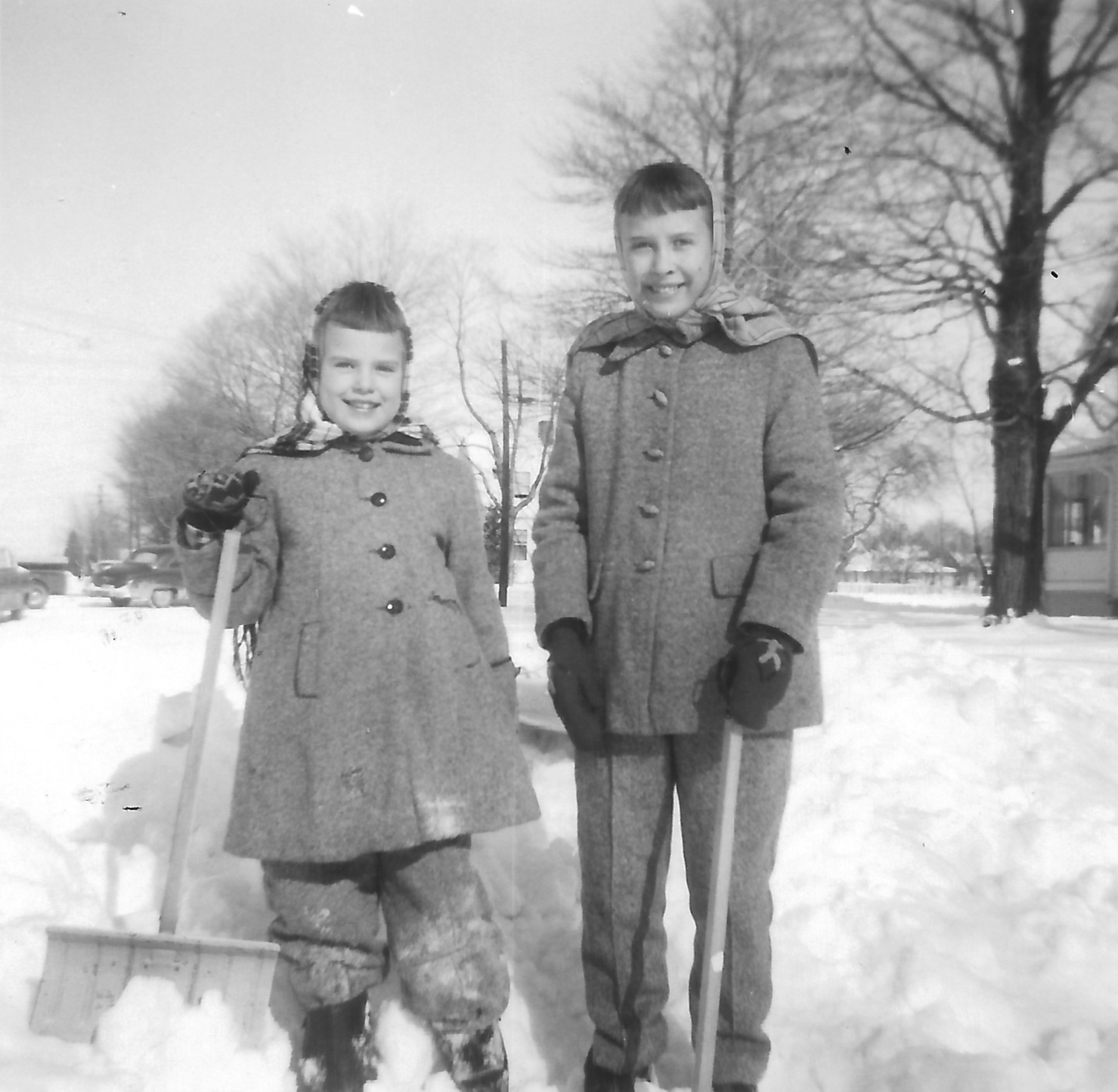
Becky and sister Terri

Growing up in Michigan, the opportunity to play in winter snow was always a given. Many years would pass, before living in the much different climates of North Carolina and now Texas, to understand how scores of children (and even adults!) maintain such strong desires and dreams for that white stuff.

In 2019, I wrote a blog post with the happy news about the anticipated publication of my story, “Welcome to Texas, Heikki Lunta,” which revolves around two children waiting for snow. To check out the history of Heikki Lunta in Michigan’s Upper Peninsula, you can read that post here.

Today, I’m excited to share my full story with you, which was first published in U.P. Reader Issue #3.

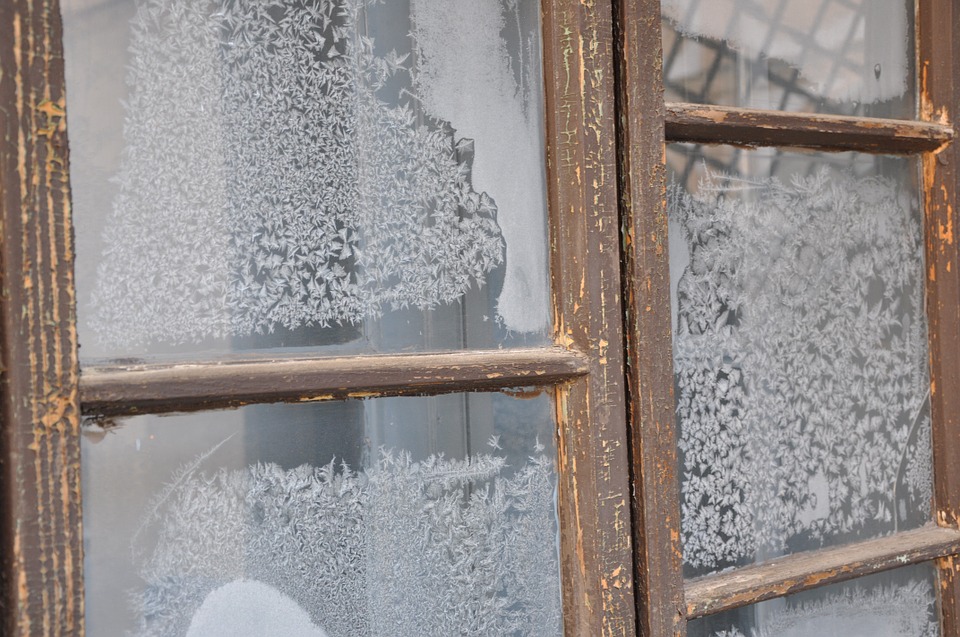
frosty window

Welcome to Texas, Heikki Lunta!

Another winter holiday passed with no snow in sight. Not one flake. That glorious white stuff hadn’t fallen on Ella and Rae-Ann’s part of Texas in years. The sisters searched the sky when cold winds blew. They peered out the windows to see what was new. Nothing.  

“We had such fun playing in the snow that year,” said Ella, pointing at a framed photo.

“I only remember making snow angels when I look at that picture,” said her younger sister, Rae-Ann.

New Year’s Day came and went. The children said ‘good-bye’ to winter break and returned to their classrooms.

***

Mom shooed two dogs away as she sliced apples and spooned peanut butter onto plates for an after-school snack. Grandma sat in the kitchen finishing her coffee.

 “Y’all come to the table, girls. And don’t let the dogs get your food,” warned Mom. With a shiver, she turned the furnace up a notch before joining the others.

“It’s sure getting cold out there,” said Grandma. “I hear that Heikki Lunta might make a visit.”

“Hay-Kee who?” asked Ella, licking peanut butter from her fingers.

Rae-Ann’s eyes stole a quick look at the back door.

“His story’s rather long,” their grandmother said.

“Tell us,” the sisters begged in one voice.

“Well, you know I used to live w-a-a-a-y at the tip-top of Upper Michigan,” Grandma began.

“I sort of remember visiting you there,” said Ella.

“That was summer. You have no idea what it’s like in the winter.”

“Lots of snow?” asked Rae-Ann.

“Tons,” nodded Grandma. “The snowbanks grow taller than people. Schools sometimes close for a week at a time because of the blizzards.”

“Wow!” Ella exclaimed. The dogs cocked their heads to the side, listening.

“What does that have to do with this Heikki Lunta?” Mom asked.

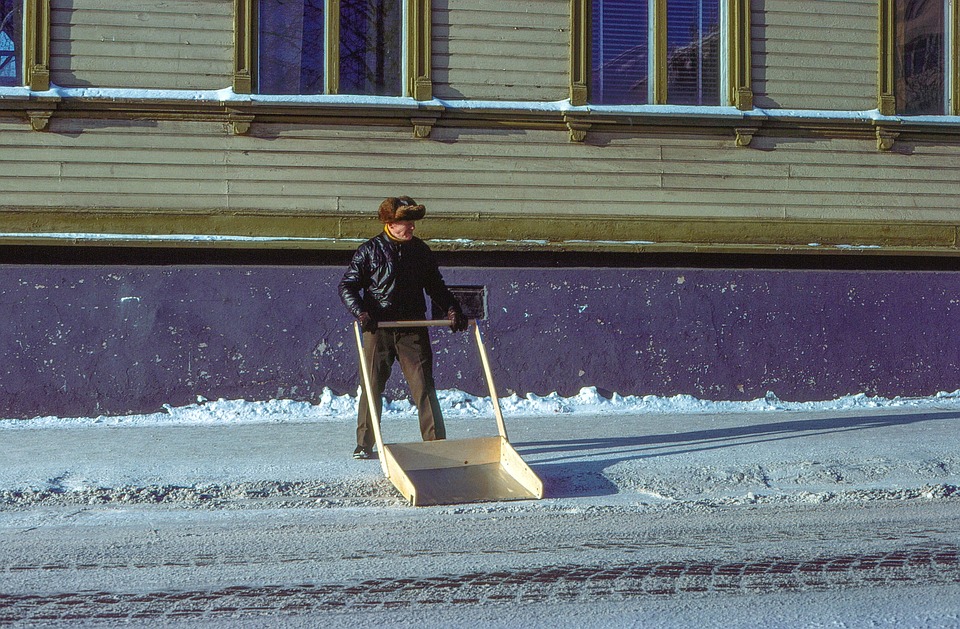
“Quite a few families in Northern Michigan came from a far-away, snowy country called Finland,” said Grandma. “Many years ago, those who lived in Finland shared stories called ‘myths,’ just like most ancient people around the world.”

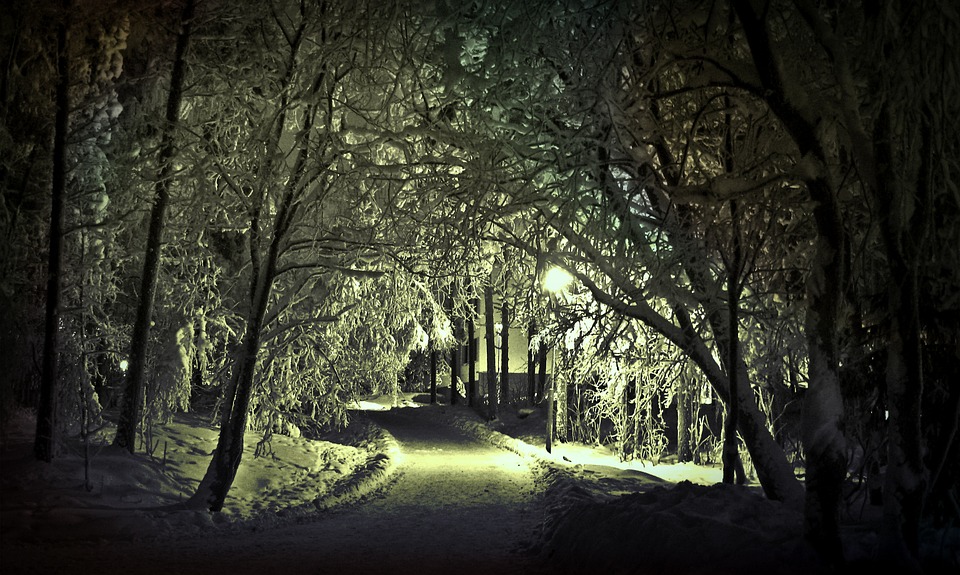
Scooping Snow in Finland (Pixabay)

“I learned about myths in school,” Ella said. “Those are made-up stories that explain how things work or got started. We read about how the elephant got its trunk.”

“Exactly,” said Mom. “And you’ve both seen a movie about Hercules, which is also a myth.”

“That’s right,” Grandma said. “Many of those stories include gods and goddesses. ’Heikki Lunta’ is like a snow god from Finland. People who live in Upper Michigan often talk about him in the winter when they’re hoping for snow. Hotels and restaurants looking for visitors to the area even put up signs saying, ‘Heikki Lunta, do your thing.’”

“Did you ever see him?” whispered Rae-Ann.

“He’s just pretend,” Ella reminded her younger sister. “Grandma, why did you tease us and say he’s coming here?”

Mom and Grandma exchanged knowing looks.

“The weather report says we might get a bit of snow tonight or tomorrow,” Mom answered.

Her daughters’ smiles reached from ear to ear.

Make it snow, Heikki Lunta, make it snow,” sang Grandma, when it was time for her to leave.

***

When Dad returned from work, the sisters rushed out to his red pick-up truck and told him about the forecast. After dinner, they drew pictures of their neighborhood covered in snow. At the bottom of hers, Ella wrote, “Please send snow Haykee Loonta.”

The girls welcomed bedtime that night. Ella left her blinds open in hopes of seeing some flurries. In another room down the hall, Rae-Ann was excited and just a little nervous. She peeked through long lashes at her bedroom door before falling asleep.

While she slept, Rae-Ann imagined someone like Hercules. He wore a heavy white coat with its collar turned up against the cold. Ella dreamed of a man with long gray hair and beard, who was dressed in a flowing blue robe. Wind and snow swirled around him. Heikki Lunta?  As the whole town slept, dark clouds gathered and delivered a bit of magic.

                                                                     ***

At the sound of Dad’s pick-up leaving in the morning, four eyes popped open wide. Rae-Ann and Ella ran to their windows and cheered at the sight of powdery snow on the ground and glistening flakes in the air. The time said 9:00. Why had their parents let them sleep so late?

“You’re taking a snow day,” Mom explained in the kitchen.

“School’s closed?” asked Rae-Ann.

“The roads are quite safe, according to the radio. We don’t get snow very often, so Dad and I decided to let you stay home and enjoy it.”

 “Yay!” both girls cheered, as they ran to get dressed.

“A warm breakfast comes first,” Mom yelled up the stairs. “Then we’ll hunt up our wooly hats and mittens. You’ll need to wear your snow boots and not just those ropers.”

***

dogs in the snow
Dogs Surprised by Snow

Light snow continued to fall throughout the morning. The three stomped trails in their backyard and built a small snowman. Ella and Rae-Ann lay down and flapped their arms to make snow angels. Their happy dogs rolled near them on the frosty ground. While watching their fun, Mom picked a torn section of blue fabric from a nearby bush.

“Maybe Heikki Lunta really did help us out,” Ella said with a secret grin, at the sight of the blue material. “Does Grandma know about the snow?”

“I’m sure she does,” said Mom. “Let’s pick her up for a snow ride.”

“What’s that?” asked Rae-Ann. “A car drive on the snowy streets?”

“It’s mostly melted from the roads. I’ll phone her to say that we’re coming, and then I’ll show you my idea.”

Ten minutes later, the laughing trio arrived at Grandma’s apartment building. When she slid into the front seat, she saw what was causing their excitement. Sparkling snowflakes floated into the car from the open moon roof.

Mom pulled back onto the street. People up and down the sidewalks turned in surprise. Echoes of four voices drifted through the winter air, “THANK YOU, HEIKKI LUNTA!”

snowman
Texas Snowman

Come to School with Me!

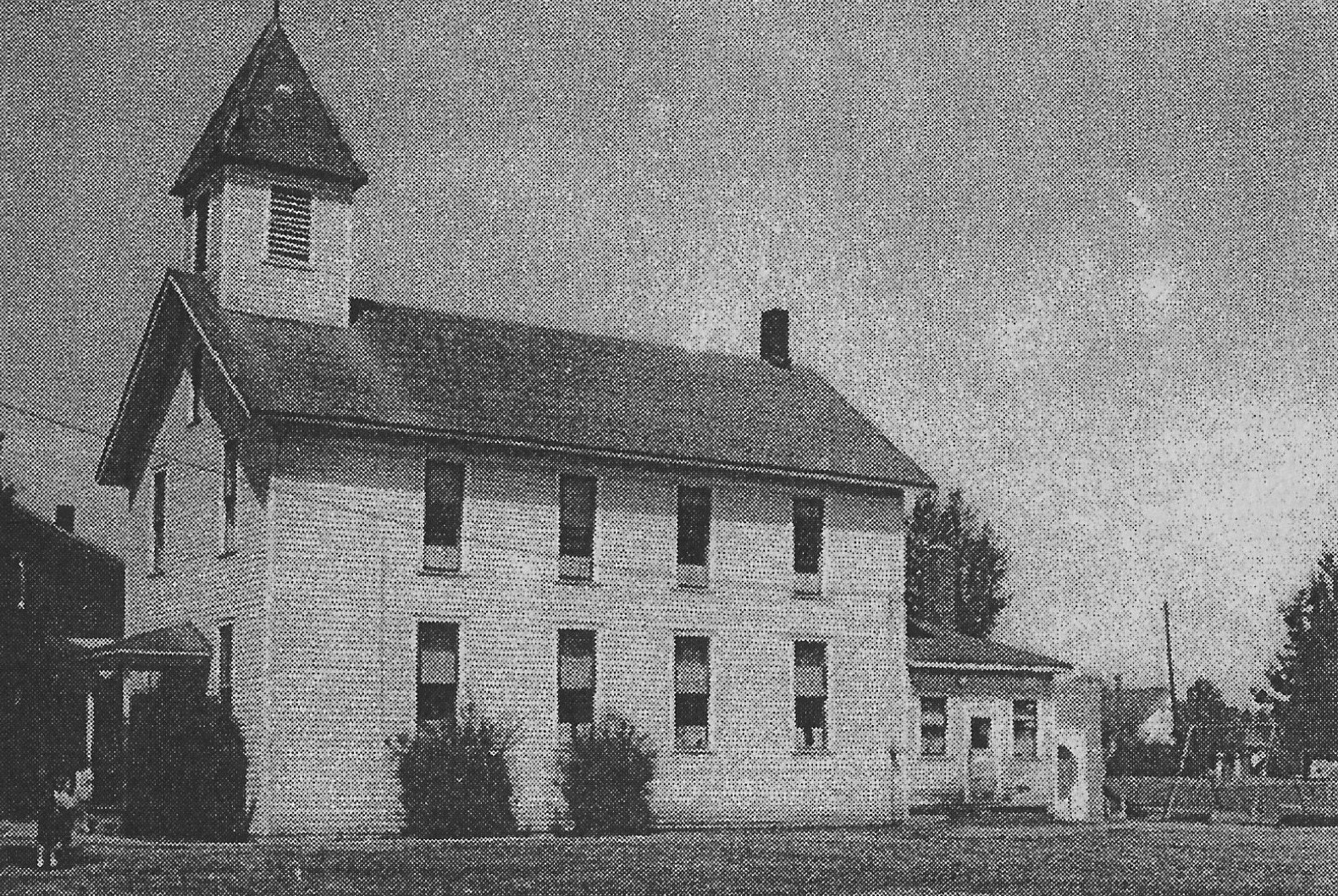
During the school year when leadership in the U.S. changed over from Dwight D. Eisenhower to John F. Kennedy, I was a 3rd-grade student on the top floor of the school pictured, above. Already outdated by standards of the day, my building held dark, steep wooden stairs leading up from the first floor and a bell rope hanging over the stairwell, for some lucky kid to pull and dangle from while announcing the start of the day. A chilly cloakroom stood at the top of the stairs, and the classroom was furnished with the old sleigh-style wooden desks, fashioned with inkwells where bottles of ink had once rested.

That same year, some changes had taken place in the leadership of our school, as well. We had a new teacher! Miss Spaude was special for many reasons, I am certain. But the most obvious difference her students noticed right away was that she was bald! This teacher is my favorite and most memorable from elementary school, and I have incorporated her into several of my written works. Happily, my rhyming story, “Miss O’Blair Has Lost Her Hair,” is now published at Storyberries! I hope you will enjoy reading it (for free) as much as I enjoyed writing it, while walking down “memory lane.”

I would like to thank Sue Clancy, writer and illustrator extraordinaire, for the information she generously shared on her blog about Storyberries.

I hope you enjoy the visit to my old school through this post and in the linked story. Just several years after my tale was set, a more “modern” brick building was erected next to this one, and my white frame school was leveled. I felt very sad about that, and I like to keep the memories alive through my writing!

Wearing My Editor’s Hat!

As many writers have found, just having more time to work during the pandemic doesn’t necessarily make one more productive. That’s the case for me. So, in efforts to stay busy and earn some money while I’m at it, I’ve taken on many editing projects. In fact, I’ve completed around 100 manuscript edits since March.

Many of my projects have been children’s picture book edits, while others have involved middle-grade fiction and short stories for adults. I found most of these opportunities through online platforms that match freelancers up with clients. The feedback I’ve received from my clients has been very positive, which I find to be quite rewarding. I’m also excited to say that several of the books I edited are now published, such as the following:


I haven’t given up on personal writing and still attend my critique groups online. I’ve also completed several writing projects through these freelance platforms, as well, such as non-fiction articles, blog posts, and children’s leveled readers. All of this has given me something to work toward each day, which you all know can be a struggle right now!

In addition to communication with family and friends, my balcony gardening (and the challenge of the intense Texas sun!) also keeps me grounded. I finally took the plunge and purchased a fountain for my small outdoor space, which I love dearly. It’s no replacement for the Great Lakes, Atlantic Ocean, or St. Mary’s River, but it’s my little piece of heaven.

Lovely Sounds of Water

Uncomfortable Truths in our Fiction (and the winner is!)

In my last post, I asked those interested in winning a copy of U.P Reader Volume 4, containing my memoir piece, “Much Different Animal,” to let me know in the comments. Out of a shoebox, I drew Maria Donovan at Facts and Fiction as the name of the lucky winner! Thanks to all who entered, and I’ll be sure to post the story as soon as the rights revert to me.

Meanwhile…here’s a fictional story that was published a few years back, which I first wrote about in my post, “Inspired by a Dream.” This tale was, in fact, motivated by a dream. It also contains some snippets of the truth from a much earlier lifetime. Hope you’ll enjoy it!

SLIP OF THE LIP

“You awake?” Soft breath tickled the woman’s ear.

“Wha?” Words failed to form in her mouth devoid of saliva. She spotted a glass of water on the nightstand and swallowed a gulp. Beyond the edges of the thick comforter, the room was frosty. She glanced over the bedside and saw a young, dark-haired girl gazing back at her. A somewhat older, fair-haired version joined them in the room wearing an expression of both joy and worry.

“We made you some toast,” the blonde girl said, raising a paper napkin holding more butter than bread.

“I don’t…” started the woman.

“The baby’s tryin’ to climb over the side of her bed,” the older girl continued. “Dad said he was goin’ to play basketball. I changed her diaper in the crib but didn’t know if I should take her out.”

“I better check,” suggested the woman, rising from the bed and noting she had slept in corduroy jeans, a long-sleeved T-shirt, and thick white socks.

The woman brushed the walls with her fingertips to calm the swaying that assailed her, as they walked down a short hallway together. Upon entering a smaller bedroom decorated with bright wallpaper, the youngest child stood and shook the rail, light brown hair standing on end, as if electrified. “Mama-mama-mama,” she repeated with a wide, toothless grin.

The woman searched the oldest girl’s green eyes.

“Remember us?” the girl whispered.

“Don’t be silly,” the woman replied, lifting the youngest sister from a dark wooden crib.

“It seemed like you were gone for a long time,” said the middle girl, trailing the small group from the room.

“Just a little while can feel like forever,” the woman evaded.

Upon entering the kitchen, a snowy scene greeted her outside the large window. On a calendar hung low from the wall, dates leading to a Friday in December were each crossed out in a childish scrawl. A flyer for an arts-and-crafts show hung next to it on a corkboard. She placed the baby in a highchair, turned up a nearby thermostat, and walked over to inspect the refrigerator’s contents.

Breakfast was a confusion of canned fruit, toast, and cold cereal drenched in the remnants of a milk carton. They ate out of mismatched containers since most bowls and plates from the cupboards crustily decorated the countertops and one side of the sink.

The middle child chattered and regaled the woman with snippets about a series of babysitters, while the toddler banged with a spoon on the tray of her highchair. The oldest girl didn’t say a word and studied the familiar stranger at their table.

The awkward morning passed, even though complicated by details that remained beyond the woman’s reach. “Baba, baba,” the little one begged and placated herself by sucking on a bottle of watered-down apple juice retrieved from under a chair. After giving up her quest of navigating the living room, she plunked down on her diapered bottom with a wide yawn and soon fell asleep on the worn carpet.

baby-shoes-1814348_960_720

The oldest grabbed an afghan from a nest on the sofa, where someone must have slept the previous night, and with a motherly pat covered the dozing youngster. The woman agreed when the middle child asked if she could go down in the basement to ride her bike.

“I’m Tina, and that’s Linda, downstairs. The little kid’s Nora.” Seeing the slight nod of acknowledgment from the woman, the girl offered, “You told me, once, that you ended all our names with an ‘a’ because your mom’s name was like that.”

Seeing another flicker of recognition, Tina said, “Sometimes you liked lookin’ at our baby books and stuff from over there,” and pointed with a chewed thumbnail at a shelf. “I didn’t like it when daddy made you cry,” she added, before she headed down the stairs to join her sister.

Tears closed the mother’s throat and stole any possible reply.

The afternoon was a treasure hunt. She moved in slow motion, while sifting through folders in an organizer on the kitchen counter and drawers of a small desk, finding past-due utility bills and Tina’s school papers printed with care. When she came upon hospital invoices and insurance correspondence, she noted the designation, ‘Patient name:  Elizabeth.’

The woman opened a purse set on top of a free-standing kitchen cabinet, saw several dollars in the change compartment, and took a long look at a driver’s license resting alongside the money.

After removing several prescription bottles from another zippered section, she examined the labels and scanned her recent memories. She hesitated for a few seconds, dumped their contents into the kitchen sink, and watched the rainbow of capsules swirl and dissolve in a torrent of hot water. The medicinal odor reached her nostrils, and memories of a stark and lonely room surfaced. Bile rose in the woman’s throat, and she vomited into the basin watching the last of the pills circle the drain.

She then sat cross-legged on the floor and leafed through baby books filled with hope and family picture albums telling the story of another lifetime. Her brimming eyes stared into the smiling faces.

Returning to the room where her journey had begun that morning, the unmade bed offered temptation of surrender. She ached to lie down, close her eyes, and stop trying to remember. Instead, her eyes focused on the surface of a dresser. She lifted a rectangular wooden box that smelled of cedar and hunted for a tool to open the lock. After resorting to a paperclip, she opened the box and peered through small plastic envelopes at tiny, pearl-like baby teeth and glanced at greeting cards saved from long-forgotten occasions.

At the bottom, a slip of paper lay folded. ‘If you go to the game tonight, is Beth coming, too?’ It was signed, ‘Natalie.’ Natalie? More questions than answers.

Car tires sounded outside the house on a snow-packed driveway. She snapped the lock into place and returned to lengthening shadows in the living room. The tempo of her heart accelerated.

Upon entering the room, the man’s eyes slid away from hers. “Sorry about the dishes and laundry, Beth. I meant to do all that before you got home last night…”

“I need to get something from the store,” she interrupted. “It won’t take me long. Tina and Linda are playing with Nora in her room.”

“I’m not even sure you’re supposed to drive, yet, Beth, and it’s getting a little slippery out. I’ll do it instead,” he insisted.

“It’s okay. I’ll just go to the nearest place.”

“Let me at least make sure the driveway’s clear enough for you to get out,” he said and headed back outside.

With a flash of irritation, she scooped keys from the desk, retrieved her purse, and grabbed a hooded jacket and gloves from hooks on the wall. The moment he returned, she hurried out the door.

Beth held her breath, and the light car balked in the deepening snow when she tried to back from the driveway toward the street. She wasn’t surprised he hadn’t cleared the way, after all, and a shadow that appeared in a window of the house next door caught her attention for a moment. Rocking the vehicle between reverse and drive, she finally was free.

As Beth drove, her headlights cut through the escalating snowstorm, and she recognized passing streets and buildings as if awakening from a hazy dream. At a sharp curve in the road, she visualized the dark river beckoning from beyond a tall stand of pines. Driving past the first little shop with a flickering entrance light, she slid to a stop at the second.

Beth wore no boots and picked her way through slush in the small parking lot before entering the market. She soon returned and moved to place the container of milk on the front seat. Without knowing why, she stepped back into the swirling flakes and opened the trunk of the car.

There she discovered two handcrafted ceramic pots under an old woolen blanket. Beth removed her gloves to caress the pottery’s rough lines and noticed the vessels were room temperature. Considering her options, she decided to leave them in place and slammed the trunk closed. Mentally arranging the pieces to fit, Beth followed tire tracks through the snow, in return to someone’s life, if not her own.

“June’s on the phone,” Tina announced, pressing the device Beth had left behind into her hands when she entered the warmed kitchen. The woman placed the milk in the refrigerator with a pounding heart and took a deep breath.

Words from the other end could have cut, but instead sounded reassuring through the stress roaring in her ears. “Several people saw him with Natalie buying pottery at the arts-and-crafts show, of all places, today. You’re much stronger than you know, Beth.”

Her friend’s voice was familiar and treasured, like a song recalled from childhood. She envisioned many hours spent next door with June, sharing endless cups of coffee and personal revelations, with the children dancing around them.

“Thanks so much,” she replied into the phone. After ending the call, Beth glanced at her three daughters, who played amid a sea of building blocks in the soft, yellow circle of lamplight. Tina’s solemn eyes met her own. The man looked up from the television and blushed over what he guessed was a new disclosure.

The volume from a blaring sports event faded into the background. Beth’s field of vision narrowed, and she peered down a long, dark passageway. Accepting the truth, her view then brightened, as vague uncertainties rearranged into recognizable order.

She descended the basement stairs and picked her way between bicycles, roller skates, and piles of laundry on the cement floor. Beth found what she wanted high on a dusty shelf. He met her at the top step when she returned and followed her along the hallway to the room they had shared. She opened the large suitcase on top of the bed and then hesitated.

“At least you can take the kids with you, this time,” he said.

“I’m not the one who’s leaving,” she answered.

A memory spread before her with the same clarity as the moment it occurred. She had sat, folding laundry in a beam of sunlight that slanted through the blinds, while inhaling the warm sweetness of just-washed baby clothes. Her husband had come home from work in the middle of the day and claimed they needed to talk.

“I love you, Natalie,” he had mistakenly begun.