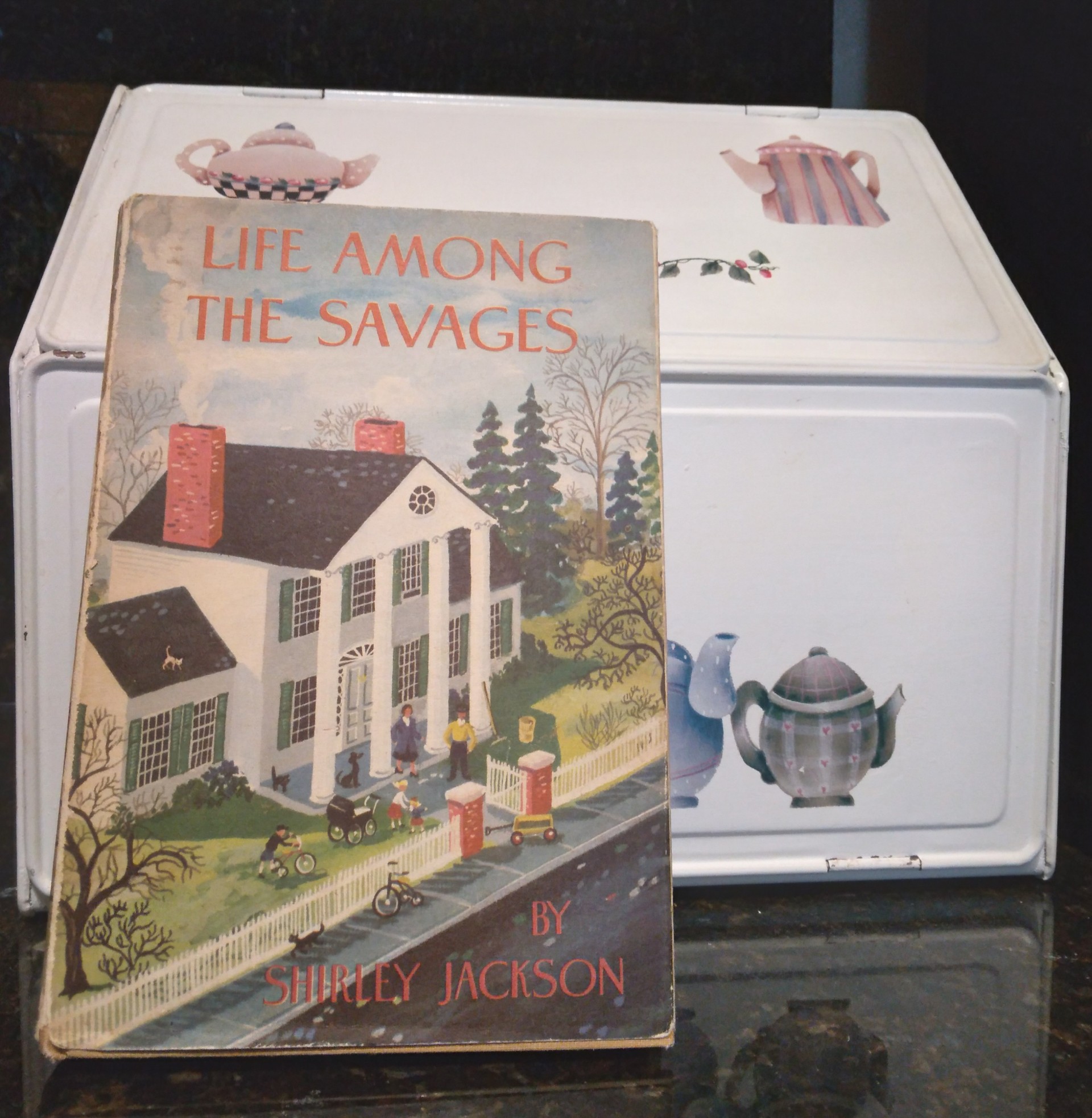
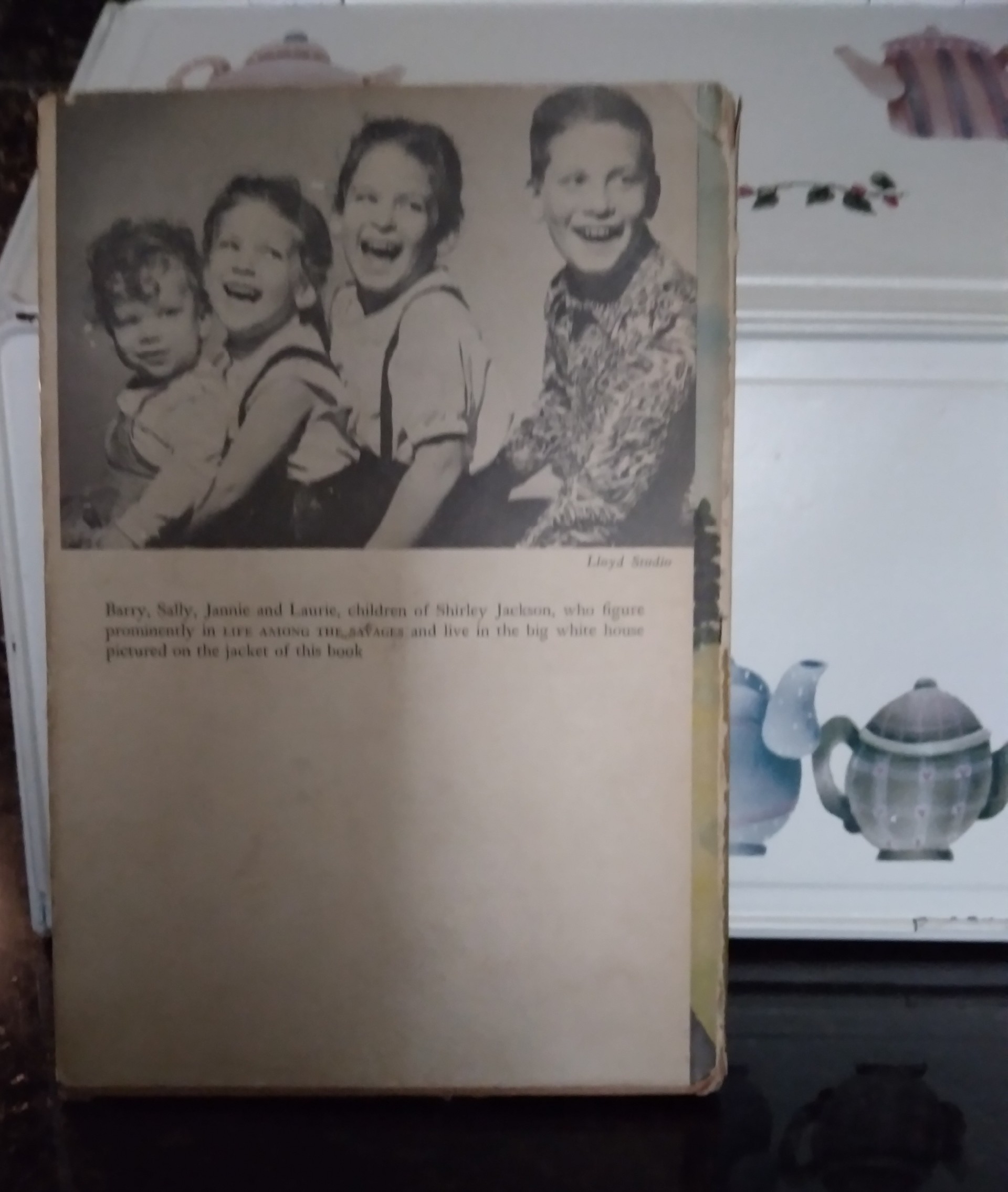
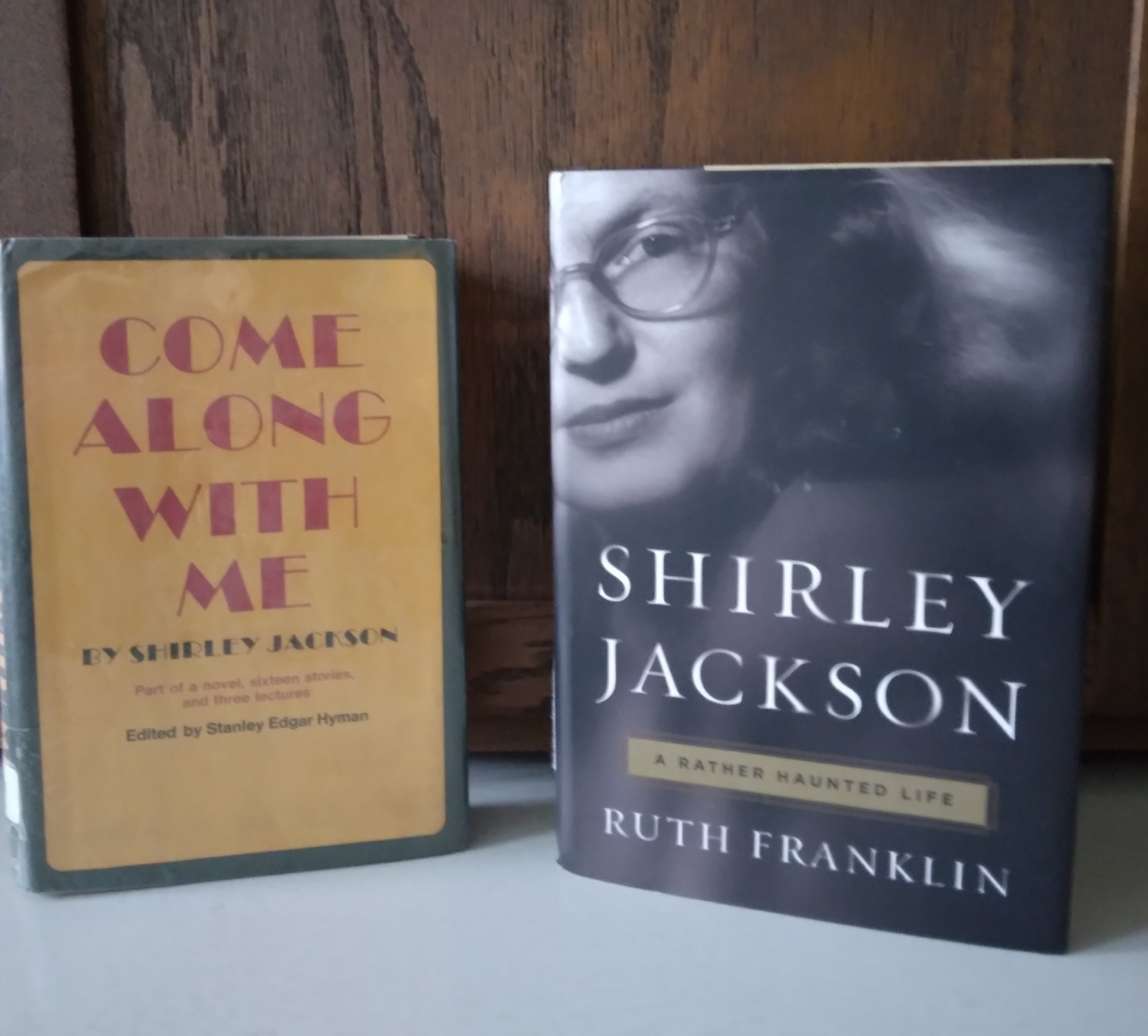
Literary Rescue

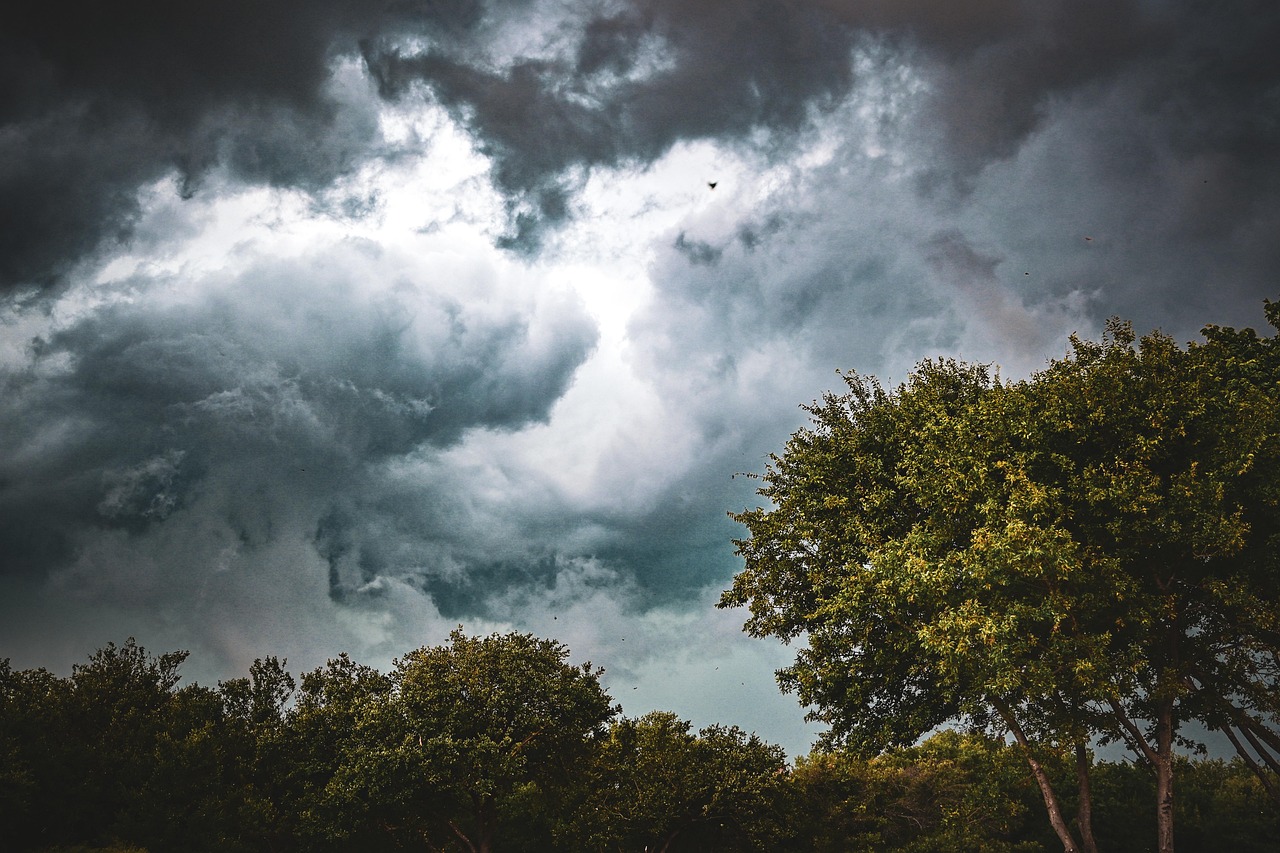
Blue Norther in Garland Texas – Pixabay

In the past, I’ve had the privilege of rescuing several animals to adopt and save them from an uncertain future. I’ve also rescued plants heading for the compost pile, nurturing them back to health. But a type of mission I’ve accepted that is not as widely appreciated is the literary rescue!

You might ask, “What’s a literary rescue?” First, let’s look at what it is NOT.

As a teenager, I had my first sleepover with a friend I had known since elementary school. We had fun paddling a rowboat around the shallow inland lake across from her house. However, after dinner, we were told that my friend had to put in her hour of daily piano practice. What to do? I wouldn’t attempt the boat alone. And they lived on a country road, so I wouldn’t go walking around. I didn’t want to sit in the living room and stare at her parents (or have them stare at me). My only option seemed to be waiting in her sparsely appointed room. Then what? An hour with nothing to do can seem like an eternity to a teen.

Luckily, I discovered a small shelf filled with books in the corner of her room. These were old books, mostly without dust jackets, to provide clues about their contents. I grabbed one named Claudia because it was a girl’s name and started reading. The story was about a young, recently married woman who was not yet far beyond her teenage years. I was captivated. The sounds of piano music in the background faded away.

When my friend finally returned, I showed her what I’d been reading. She informed me that “all those old books” used to belong to her mother, and the girl didn’t like most of them. I’d started reading one and asked if I could borrow it and finish it later at home. She agreed and wrote her name inside. I thoroughly enjoyed the book. I hated to let it go. Months turned to years. About a decade later, I discovered Claudia was the first book of a charming series by Rose Franken. I’ve now read them all. I meant to return that book to my friend and maybe tell her how much I liked it. However, I never did, and I have now lost track of her. Sorry, Marilyn!

Did I actually “rescue” that book? Probably not. Because I kept it intentionally, some might say it was a “booknapping” rather than a rescue. And I doubt anyone in the family would have burned or thrown those vintage books into the trash anytime soon. But it certainly was a lucky, long-term borrow on my part!

A few years later, the summer I graduated from high school, I donned my bathing suit and walked to the local beach one afternoon. This wasn’t the park where all the teens hung out but a small, quiet affair where parents were more apt to take their little ones. I just wanted to get some sun and fresh air while enjoying the book A Summer Place by Sloan Wilson.

Engrossed in the story, I tuned out the few beachgoers around me and didn’t realize at first that the sun was no longer reemerging from behind the clouds. I finally noticed the chill and the appearance of goosebumps on my bare arms and legs. Deciding I should head home in case rain moved in, I put my book aside in the sand, threw my pop can (yes, we called it pop in Michigan) in the trash, and folded my blanket, stuffing it into my beach bag. I quickly set out for home.

A few blocks in, I realized I’d forgotten to pick up my book! The sky still looked ominous, but I retraced my steps. As I drew closer to the beach, I saw my book was nowhere near where I had left it. But I circled the narrow strip of sand, thinking maybe I had been wrong about the location. And then, I spotted it. A young mother tightly gripped my copy of A Summer Place as she rounded up her raucous bunch of kids to leave. Being the introvert I was (and mostly still am), I didn’t say a word and turned back toward home, feeling disappointed. Okay, I knew how the story ended because I’d seen the movie starring Sandra Dee and Troy Donahue. But I would still check it out from the library sometime to finish reading it.

Had that person “rescued” my book? She might have thought so (hello, woman from the beach; I hope you enjoyed it!). But I went back for my book to protect it from the elements, so I say it doesn’t qualify as an actual rescue on her part.

Years later, when I was teaching fourth grade in Michigan’s Upper Peninsula, an elementary school in a nearby county closed down. Their entire library of books was up for grabs. Many of them were brought to our school for teachers to select for their classrooms. Of course, many were old copies of familiar chapter books, such as those by Beverly Cleary. But they certainly added to this new teacher’s classroom library. My heartbeat raced when I saw two picture books by Swedish author and illustrator Maj Lindman. Her bright “Flicka, Ricka, Dicka” and “Snipp, Snapp, Snurr” series about two sets of triplets were my favorites as a child and the first ones I looked for at the library. Although the characters might have looked a bit younger than fourth grade, I would enjoy showing my students examples of books I had loved as a child. I grabbed one from each series.

When I moved away and left my job at that school, I dreaded leaving those books behind. I imagined the new fourth-grade teacher dumping anything outdated or what they considered overly young. I took the two picture books with me to share with my next group of students. Stealing? Not really, although I could have asked permission. I still have them with the old library cards tucked inside. A literary rescue? I like to think so!

Even after moving away, I often returned to Michigan’s Upper Peninsula. Hunting for used bookstores was a favorite summertime hobby. One year, I saw a sign that said, “Books in the Barn,” pointing down a dirt lane. Sure enough, there was an old barn full of used books! And this was not a barn fixed up to serve as a store. It was still just an old barn, open to the elements, daylight showing between the boards. The books all smelled somewhat musty. A friendly clerk said they had somehow ended up with the inventory but didn’t have an appropriate shop space. They would sell what they could that summer and get rid of the rest. The words “get rid of” rang in my ears. I bought several books that day. The ones that stuck in my mind were Jack Finney’s time travel duo Time and Again and From Time to Time. They were both warped from the humidity. But I enjoyed them immensely and didn’t give them up until years later during another move. Was this a literary rescue? Yes, I believe those purchases do qualify.

So, we could say the following conditions constitute a literary rescue: saving books that are in danger of being burned, drowned, thrown away, or otherwise ruined by the elements.

This brings me to a recent rescue event. Last autumn, I visited the library in the late afternoon. The air was warm, the breeze light, and the clear sky a bright blue. They keep the building very cold inside, so I wore a thin fleece. I had to return a few books, and the distance is just the right length for my daily walks. I began browsing the shelves with the new titles and eventually glanced up and outside. What? Leaves and branches flew past the windows, and the sky was unusually dark for that time of the day. I looked at my phone and saw the temperature had already dropped about 25 degrees. I checked out the book I’d found and headed for the door.

Outside, the cold wind hit me with force, and I was glad I’d worn the fleece, which at least offered minimal protection. A Blue Norther, I thought. One side of the sky had turned a much darker blue, and a solid curtain of steely gray clouds was moving in from the Northwest. This would not be one of those dry Blue Northers; rain was coming. I had forgotten to bring a bag with me. If rain started to fall, I’d have to put the book under my jacket. I quickly strode toward home.

My next mistake was the route I took. Yes, it was the most logical way to go. But I had to pass the corner where a Little Free Library was perched on my way. I often check that wooden stand for books on my walks and have made great finds. But the door was broken, yet again. Repeated repairs had failed. It kept breaking or falling off. That day, I didn’t want to look and tried to stay on the other side of the street. But it seemed as if someone had just added a collection of books. I didn’t need anything else to carry since I was only halfway home, and rain was imminent. But…I couldn’t help myself. I hurriedly rifled through the books. Don’t need, no, don’t need, no. Then, I saw it. A lovely vintage book of poetry by Henry Wadsworth Longfellow. Dark blue with gold and red trim. The pages were edged in gold. I opened it and sniffed. Ahh. I love the smell of old books. It was not in good shape and starting to fall apart. But could I leave it there to be ruined in the deluge? No.

I reached my apartment building just as the rain began to fall. Whew. It was then time to explore my literary rescue!

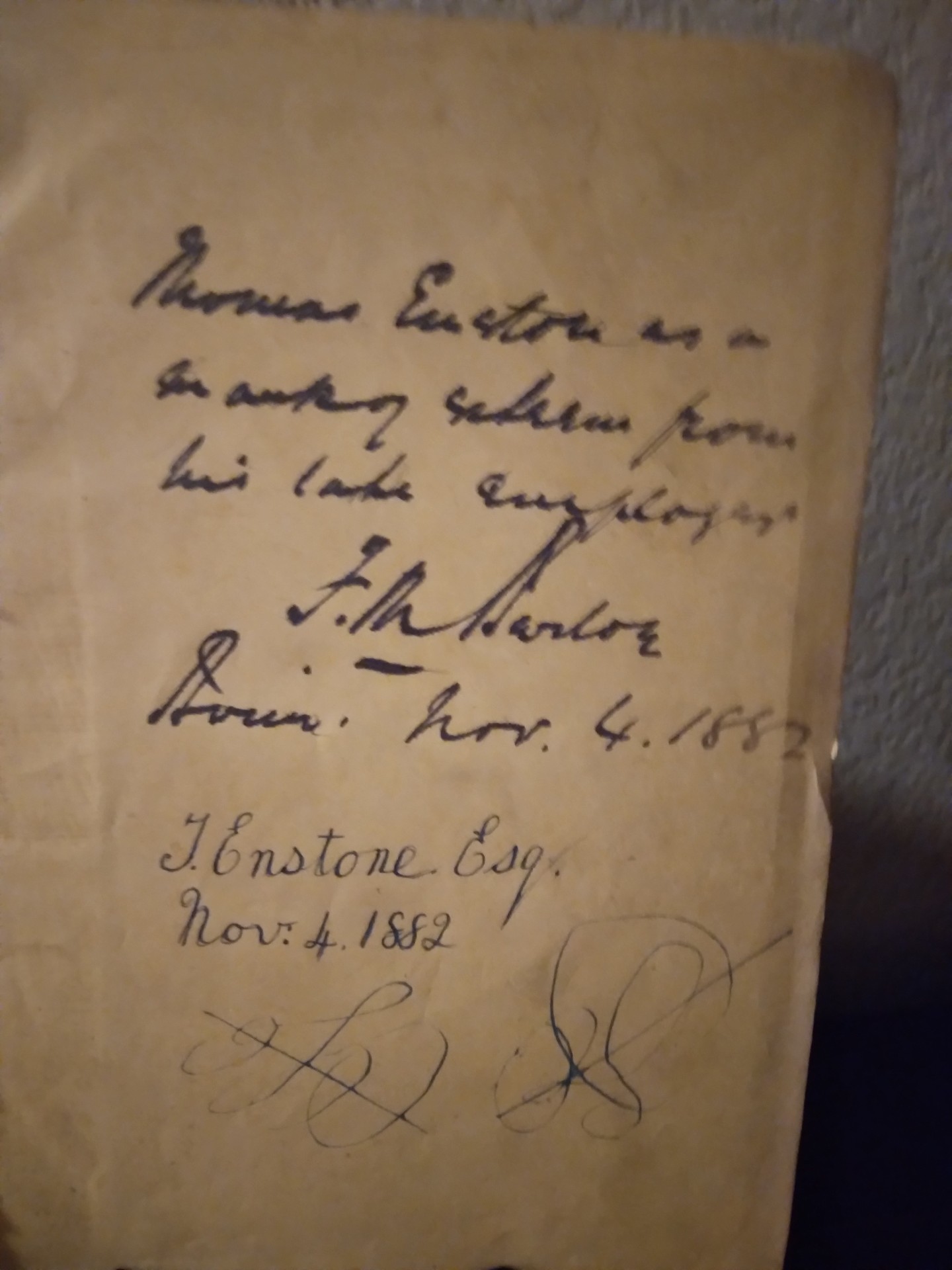
The book’s copyright date is 1882, inscribed by what looks to be F.M. Harlow to a late employee or employer, Thomas Enstone, that same year. The handwriting is difficult to read. Some poems are illustrated, such as “The Village Blacksmith.” Of course, the book sleuth in me was curious to know why a person might give this book to someone with whom they’d worked. What kind of business?

I’ve done some internet research at several points, trying to find out more about these individuals or a possible connection between them and the author. I found that Longfellow’s nephew worked with an architect named Alfred Harlow. In addition, there was a Louis Harlow, who illustrated some of Longfellow’s books. So, maybe the Harlows were related? That’s all I’ve come up with so far, but it’s fun to look! If you have any ideas, I’m interested!

Since that day, the door to the Little Free Library has come apart and been fixed several more times. But people continued to put books in there. I brought home several, although those were more contemporary. My apartment’s bookshelf space is limited, so I’ll either need to donate more of my books to the library’s little bookshop or give up literary rescues altogether!

Thankful for…my critique group!

Amid troubles far and wide, reaching for positives as a lead-in to the coming holiday season feels like a wise course of action. Beyond the importance of family, health, and meaningful work, I’m drawn to reflecting upon my writing critique group. Most of us met through a larger local organization where we occasionally share our works and also enjoy monthly presentations on writing craft. However, several of us longed for a smaller group where we would share our work more regularly. So, about a half-dozen years ago, our small critique group of six was born. Twice a month, we meet in a study room at the Frisco, TX, library. We made it through the pandemic online but were happy to resume meeting in person.

Critique groups come in all shapes and sizes; the group I belong to is no exception. Our members write fiction for adults and children, nonfiction, novels, novellas, short stories, blog posts, and newsletters. We are both traditionally and self-published. Our process is simple. About four days before each scheduled meeting, we email our writing pieces to all members. Those members then read and offer praise, observations, questions, and suggested edits, then return the marked documents to the authors.

At our meetings, we discuss all the feedback as a group. In addition, we also talk about other things: publishing options, querying, what we’re reading, our research, and sometimes our personal lives. I’m happy to say we’re supportive not only as writing peers but as friends. Thank you: Linda Baten Johnson, Carolyn Lis, Gary Thornberry, Jan Angelley Cobb, and Donna Anderson. And also a note of appreciation to Karen Hodges, our former member who moved away with family. My writing has grown with your help. I’m grateful for each of you!

If you crave a successful critique group, various sites offer informative articles to assist your efforts. The Jane Friedman website tells how to “Find the Right Critique Group or Partner for You.” And after you’ve found your group or partner, the Writers in the Storm blog suggests “How to be a Good Critique Group Partner.”

I’d love to know about your experience with a critique group or partner! What didn’t work, and what DOES work for you?

As the following photo reminds us, interesting writing topics can appear in the most unexpected places!

Take care, Becky

Sault Ste. Marie, Michigan

The Power of Story

I woke up too early this morning but felt good. For a few moments, everything seemed okay in my world. But then I remembered. The election here in the U.S. is hovering close by, along with everything that implies. Feelings of helplessness surrounded me. I already voted and reminded those close to me about voting. I’ve written letters for “Vote Forward” to reach Democratic-leaning voters who have not cast ballots in a while. I stay informed and busy. And yet, I feel anxious, unbelieving, and almost sick. So, I asked myself again this morning, “What can I do?

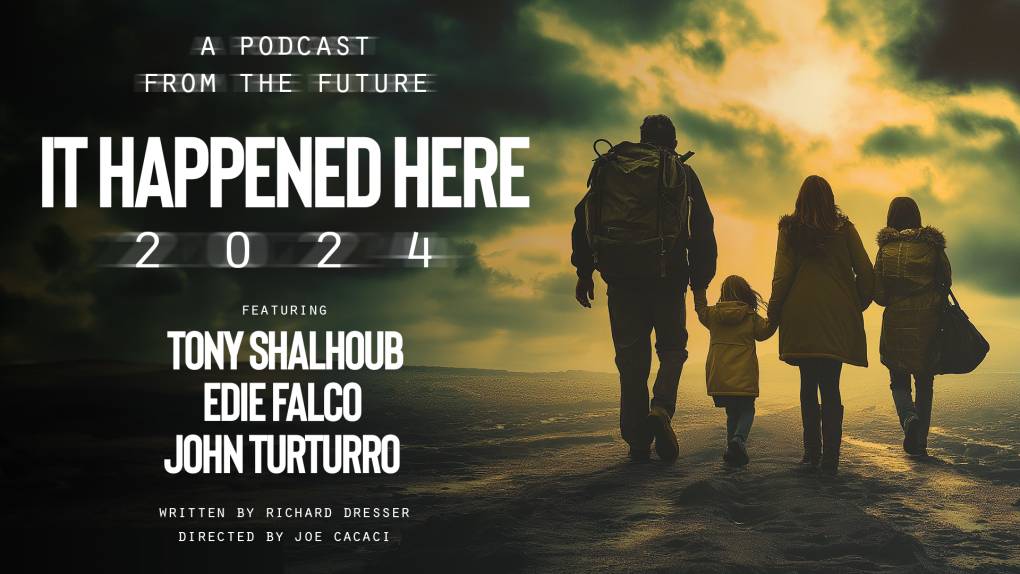
While looking for answers, I found information about the six-part radio play pictured above. I listened to an interview with two of the actors and the writer on KQED Forum NPR. Calls from listeners were also welcomed. This was the description of the discussion:

“What happens if fascism takes root in the United States? Actors Edie Falco and Tony Shalhoub have teamed up to voice a new radio play called “It Happened Here 2024.” The play, adapted by Richard Dresser from his own novel, imagines an authoritarian country in 2039 where elections are a thing of the past and the rule of law has collapsed. We’ll talk to the actors and the playwright about the connections they see between their “audio documentary from the future” and the current political climate.

Guests:

Edie Falco, actor, known for her roles on “The Sopranos” and “Nurse Jackie”

Tony Shalhoub, actor, known for his roles on “Monk” and “The Marvelous Mrs. Maisel”

Richard Dresser, playwright, screenwriter and novelist, His new radio play is “It Happened Here 2024”

Here is the link to the interview. It was interesting and enlightening. I’ve now begun listening to the radio podcast. I see this is available on various platforms, and I’m listening here.

Some listeners have said the story reminds them of our shared humanity and evokes feelings of forgiveness and hope. Just listening to the interview mentioned above reminded me that we aren’t alone in our feelings about the election and everything connected to that. I’m already drawn in by the play, which is so well done.

Pulitzer Prize winner Richard Powers said, “The best arguments in the world won’t change a single person’s mind. The only thing that can do that is a good story.” Consider giving the interview and/or the radio play a listen, especially if you are undecided and have yet to vote!

Take care of yourselves during these trying times,

Becky

Season of Spooky Stories

Although scary stories are popular year ’round, it seems like even more spooky books and movies start coming out in autumn, leading up to Halloween.

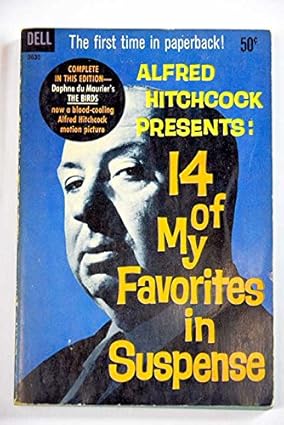
When I was a kid, we had the hard cover version of this Alfred Hitchcock book in our house. The first story in it is “The Birds” by Daphne du Maurier. I was captivated! And of course, I had to see the movie when it came out. I still love that movie to this day. What fun it might be to attend the annual film festival held in Bodega Bay, where some of the scenes were shot!

I still love creepy stories and have recently tried my hand at writing a few for kids. I’m happy to say that one of them, “Waters of Change,” has been published in the 8th Volume of the U.P. Reader! My story is based on a local legend from the Tawas area of Michigan, where I grew up. Two of my grandsons are the main characters. It was such fun to write! I can’t share that with you here until next year, but meanwhile, I’ve written another other-worldly story for kids.

Here’s some background: Several decades ago, I had the pleasure of living next door to Margaret Johnson in North Carolina. Her husband, F. Roy Johnson, was no longer living but had been an author and collector of local legends. I wove another grandson, neighbor Margaret, and one of her husband’s retold tales into this story:

The Girl Dressed in Brown

by Becky Ross Michael

Soon after the plane landed, Grandma spotted him wearing earbuds.

“Danny!” she said, giving a hug.

“Hey, Grandma. But I go by ‘Dan’ now that I’m in middle school.”

“I’ll try to remember,” she agreed with a smile. “Grandpa’s outside.”

Once settled in the car and riding toward their Murfreesboro, North Carolina, home, Grandma turned in her seat and motioned. “How about you unplug so we can talk?”

“Yeah, okay,” Dan said, freeing his ears. “Mom says you have a dog?”

“We do! Grandpa bought him for a few dollars in a parking lot. So we named him Parker.”

When they neared their destination, Grandpa pointed out a few spots of interest. “This is the main street. As you can see, it’s quite a small town.”

“I’ll say. I don’t know why I couldn’t just stay home with a friend. This is my last week before school starts.”

“Your mom had to travel for her job and thought it would be a good chance for you to come and visit,” Grandma said. “Our semester at work has already started, but we’ll take you to the beach this weekend.”

“Mom’s always gone,” Dan frowned.

“We’ll show you the Chowan University campus where we teach before going home,” said Grandpa, filling the silence. “We live right across the street.”

Students dressed for the hot weather hurried along the sidewalks, and low buildings lined the curving drive. Trees blooming in reds and pinks decorated the lush green lawns.

“Is this all of it?” asked Dan.

“Yes,” Grandma said, “it’s a small school but a good place to work.”

“That beauty ahead,” said Grandpa, “is McDowell Columns Hall. It’s a great example of Georgian Colonial style and was built before the Civil War. They use it for administration offices.”

In front of them, the white, three-story building with eight tall columns rose majestically. A second-floor veranda reached along the front, and a wide porch on the main floor held white, wicker rocking chairs.

When they arrived at their nearby red brick residence, the little black dog, Parker, yipped in glee and ran around in circles.

“Let’s take him out, and we’ll show you the yard,” suggested Grandma. Outside, they tried to interest Dan in the various plantings.

“What’re those weird fruits?” he asked, snapping to attention. Dan pointed at a small tree near the edge of the yard. “They look kinda like an apple mixed with a pear.”

“They’re quinces,” Grandma said. “We’ve never eaten them, but the blossoms each spring sure are pretty.”

After dinner, Dan excused himself to the fold-out couch in the study. “I’m meeting a buddy online to play a game,” he said.

Much later, Parker yipped into the dark to go out. “I’ll take him,” offered Dan, meeting Grandpa in the hallway.

The campus was well-lit and quiet, so Dan crossed the street. Nearing the stately Columns Hall, he saw a young girl standing on the wide porch. As he approached, Dan noticed she wore a long brown dress made from a fancy material that seemed out of place.

“Hello?” he said. “What’re you doing here?”

“Why, I live here at the school,” she answered in a heavy Southern drawl.

“You don’t look old enough to be a college student.”

“This is my last year at the girls’ school. I have promised to marry my beau when he returns from the war.” Leaning to pet the dog, Dan heard her dress fabric make a soft swishing sound.

He studied her pretty face, shimmering in the reflection of the porch light.

“Be well,” she said, raising her hand in goodbye.

“Good to meet ya,” Dan said but realized the girl had already disappeared.

The next day, while riding to the ocean, Grandma insisted on no devices and tried to make small talk. “Are you looking forward to school starting?”

“Nah.”

“How was it last year?”

“I have a few friends from elementary,” said Dan. “The other kids seem mean or stuck-up.”

“How so?”

“Some of ‘em put you down if you don’t play sports. Others brag about their high grades and careers they’re already planning.”

“Where do you fit in?”

“I don’t. That’s the problem. Are we almost there?”

That night, Parker didn’t even have to ask. Dan grabbed his leash and slipped from the house, heading for Columns Hall. There she was. As he approached her, the girl smiled in recognition.

She wore the same brown dress, which seemed odd. Suddenly turning her head as if picking up a sound, the girl glided away into the shadows. Dan stared into the dark, feeling a shiver despite the warmth.

Dan was happy to be alone while his grandparents were at work the following day. He took Parker into the backyard to play. That was when he caught the white-haired quince robber.

Grandma later asked, “How was your day?”

“You didn’t tell me there’d been a famous person living next door.”

“What do you mean?”

“Miss Margaret gave me lemonade and showed me a bunch of her husband’s published books and stuff.”

“Oh, Margaret! Yes, her husband died before we moved in.”

“Sounds like he was kinda famous around here.”

“That’s what I understand. How did you meet?”

“I thought she was stealing quince from your tree and yelled at her. She promised that you had told her it was okay. And then she asked me to call her Miss Margaret. She plans to make quince jelly.”

“Glad you met,” laughed Grandma.

“Yeah, and she loaned me one of her husband’s books. She seemed kind of lonely. We talked for quite a while, and she told me I’m a good listener.”

“You must not have had your earbuds in,” Grandma chuckled.

Soon after sunset, Dan holed up in the study. He texted with one friend and then played online games with another. Finally, Dan opened Miss Margaret’s book. That’s when he saw it. A story written by her husband was based on a local legend called “The Brown Lady.” With his heart beating wildly, Dan read about the young woman who “died of a broken heart” when her future husband was killed in the Civil War. People on campus reported hearing her garments swishing in the breeze. Others caught sight of her ghost wearing a long brown dress.

Was he already too late?

Sneaking downstairs, Dan clipped on Parker’s leash and let himself out the door.

But he realized she was nowhere in sight when he crossed the street.

Maybe he was wrong. Was he crazy?

Parker saw her first, raising his whiskers toward the second-story veranda. The girl was leaning out over the railing as if planning to jump.

“No!” Dan yelled. Wrapping Parker’s leash around a pole, he ran and climbed a trellis covered with thick, flowering vines.

When Dan reached her side, the girl shook her head as if returning from a dream. She began to cry.

Dan dug a tissue from his pocket and then urged her down the trellis. After gathering Parker, they sat and rocked on porch chairs. He listened while she poured out her heart. At first light, the girl told him how comforting he had been

“You are a wonderful listener,” she said. “I imagine you often help others with that kindness…” And in the next instant, she was gone.

When Dan’s visit ended, Grandma found the book with a note stuck inside. She walked them over to her elderly neighbor’s house. Margaret handed her a glass jar of quince jelly in exchange. As Grandma passed her the book, the note fluttered to the ground:

Dear Miss Margaret,

Thanks for sharing the good book. And I might know what career I want to follow someday. You and someone else told me I’m a good listener. Maybe I’ll be a counselor who helps others!

Dan

Fantastic Find at the Bookstore #13: Humor in Daily Life

When I came across this cute vintage paperback by Betty MacDonald at the used bookstore, I recognized the author’s name right away. But this was a “new” story and a new husband! The $3.00 price tag was well worth it, and I snapped this one up without a second thought.

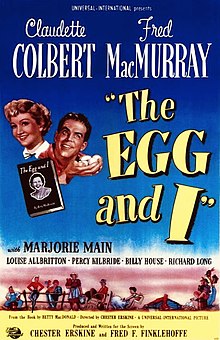
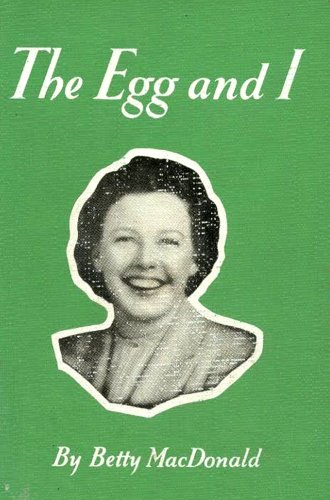
I became familiar with Betty MacDonald’s humorous writing through her first book, The Egg and I, years ago, in high school. I was one of the students chosen in my senior English class to take part in a regional forensics competition. Assigned to do humorous readings (not sure why), I had no clue what to present. The Egg and I had rested on my parents’ bookshelf for years without tempting me. It no longer had the dust jacket pictured below, and with just a plain green cover, it never called to me.

My mom wisely suggested I check it out for some humorous chapters. I thoroughly enjoyed the funny book about a newly married couple who lived on a chicken ranch in Washington State. Imagine my surprise when I discovered this was the origin of the Ma and Pa Kettle characters I had seen in movies! I did well in the competition, advancing several rounds, and even had to read in front of my entire (small) school at an assembly. I was very nervous, but Betty MacDonald’s entertaining words gave me much-needed confidence.

Years later, I enjoyed watching the movie on either AMC or TCM. Claudette Colbert played Betty, and Fred MacMurray played her first husband, Bob.

When I came across Onions in the Stew, I realized there was a lot more to Betty MacDonald (1907-1958) than I had ever known, and I needed to dig deeper! I soon discovered that she wrote Anybody Can Do Anything about raising her daughters as a single parent during the Depression and also The Plague and I about surviving tuberculosis. All told through humor, of course. Onions in the Stew tells about moving to Vashon Island in the Pacific Northwest’s Puget Sound with her two daughters and new husband, Don. For a taste of the humor, I’ll mention that their washing machine floats away into the Sound their first night there!

Although Betty MacDonald died much too young, from cancer at age 49, she packed a lot of living and writing into her life. She is also the author of the Mrs. Piggle Wiggle series, in addition to Nancy and Plum.

My research prompted by this fantastic find at the bookstore also placed another book in my sights, this biography by Paula Becker. I can hardly wait!

Looking Back While Moving Forward

Becky as Mrs. Wishy-Washy,
Joy Cowley’s Delightful Character

I try not to dwell on the past, but I often enjoy thinking of my teaching years. I especially loved teaching reading, using books like Joy Cowley’s “Mrs. Wishy-Washy” stories. Many times, I’m able to effectively use my background in education to enrich both my writing and freelance editing work.

My editing projects sometimes involve non-fiction educational materials. And, of course, picture books provide an abundance of teachable scenarios. Blog articles I’ve written aimed at early childhood education have also been published, along with several decodable readers.

I’m happy to say that one of my fiction stories has recently been published, which combines reading instruction strategies with a fun fantasy setting. Click here to meet Mr. Zappo and his “buzzing letters.” He and Ms. Exeter are the early elementary teachers we each would have been lucky to meet while learning to read!

Let “Freedom Read” All Year Long!

We each have the power to do something about this growing problem. Here are some ideas to get us started!

When Reading was Golden

As a child, I loved going to the library. And I definitely looked for my favorites each time we visited. But for the books we bought at the store to keep at home, Little Golden Books were the stories that made my heart sing! In fact, I loved them so much that I still collect them. The three pictured above are titles from my collection that I remember from childhood.

I grew up in a small town, so we had no bookstores or large department stores. The great thing about Little Golden Books, besides their affordable price of just a quarter, was that they were sold in grocery stores and at the local “dime store.”

Although I didn’t yet pay much attention to the illustrator or author names as a youngster, I eventually realized that I was drawn to the books illustrated by Eloise Wilkin. Her characters always wore such soft and friendly faces, as the three covers shown above.

And I also loved the Little Golden Book stories written by Margaret Wise Brown. Yes, the same author of Goodnight Moon fame!

Although my 1946 copy isn’t in very good shape, I’m proud to say that my oldest Little Golden Book, The Little Taxi That Hurried, was written by Lucy Sprague Mitchell , a child education reformer. And it’s illustrated by Tibor Gergely, whose artwork graced many other Little Golden Books, as well.

Later, in the 1970s, my own kids liked many of the Little Golden Books, too! The Monster at the end of this Book was one of their favorites. By that time, the price had gone up to $.89.

My family members know that I still love these books and help me add to my collection, on occasion. Above is a Little Golden Book I received last Christmas from my sister. We used to watch Roy Rogers and Dale Evans on TV when we were kids.

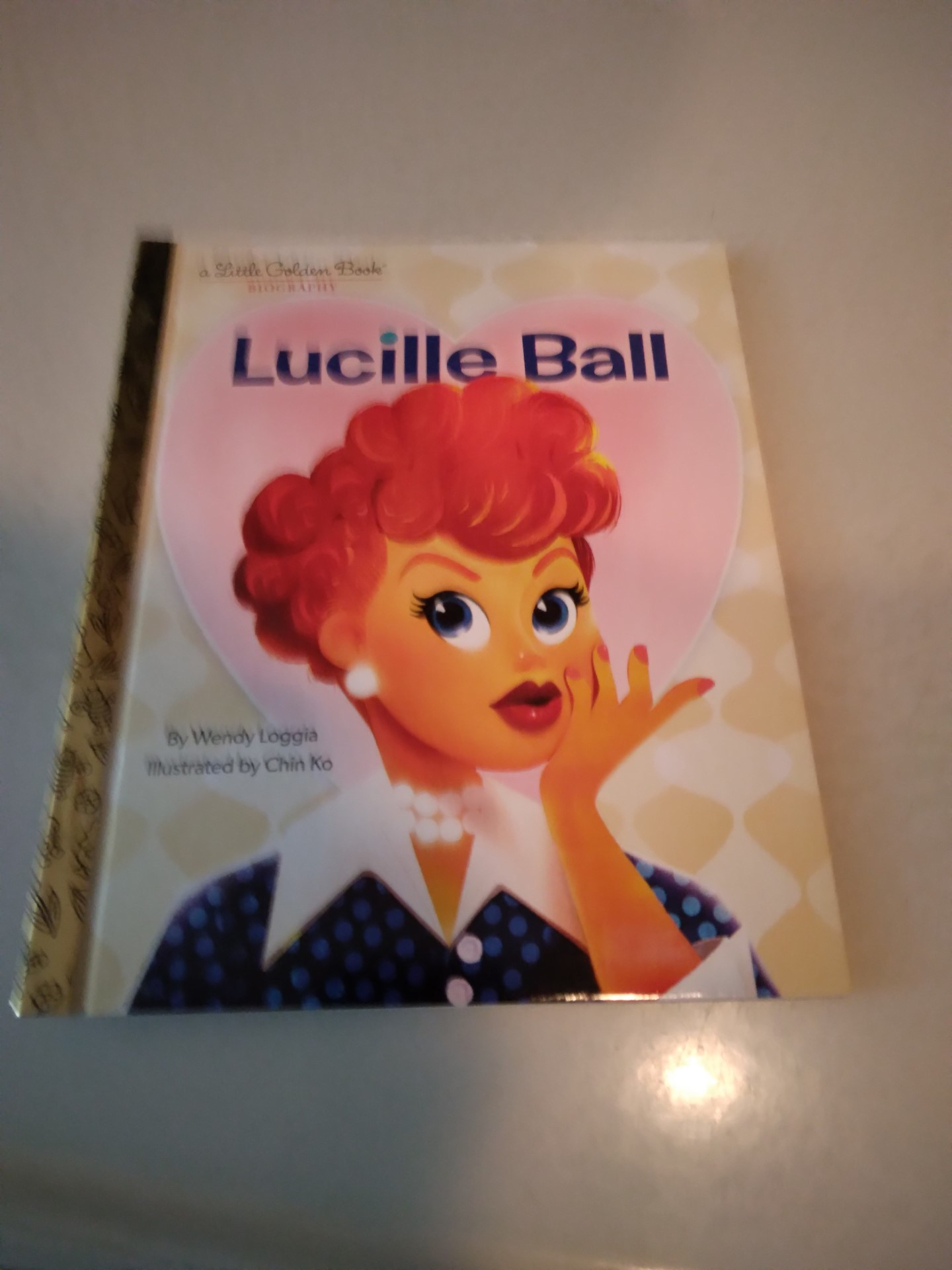
And this is the most recent addition to my collection from one of my daughters, purchased right at Target. Both my girls and I “love Lucy” and have watched many episodes together over the years!

What about you? Are you a collector? Do you have a favorite memory of a Little Golden Book?

Speak Up for Library Funding!

From the ALA:

“Each year, the library community makes our voice heard for federal funding, which libraries across the country rely on to sustain crucial programs. Congress is crafting next year’s federal budget on a truncated timeline – with only one week for House members to show their support.

It’s time to take action. It’s time to #FundLibraries. 

Tell Congress to Fund Libraries!

The federal appropriations process began with the President’s proposed budget, before moving on to the House and Senate. Library champions in both chambers are leading our budget request letters and working hard to make the case for increased library funding through the Library Services and Technology Act (LSTA) and the Innovative Approaches to Literacy program (IAL): 

  • In the House, Reps. Raúl Grijalva (D-AZ) and Don Bacon (R-NE) are leading the LSTA letter, and Reps. Jim McGovern (D-MA) and Bacon are leading the IAL letter.  
  • In the Senate, Sen. Jack Reed (D-RI) is leading both letters! 

We are requesting funding of at least $232 for LSTA and $50 million for IAL. Learn more about the campaign – and find tools to share this action – at ALA’s #FundLibraries homepage

We are incredibly grateful for the time, work, and dedication you have put in to support libraries. Your efforts as advocates are responsible for some of the most consequential wins for libraries in decades. Now stand with libraries, library workers, and the communities they serve: take action to #FundLibraries! 

Speak Up for Library Funding!

Thank you for all you do for libraries! 

ALA Public Policy & Advocacy” 

***********************************************************************

Thanks so much for speaking up for libraries! What would we do without them?

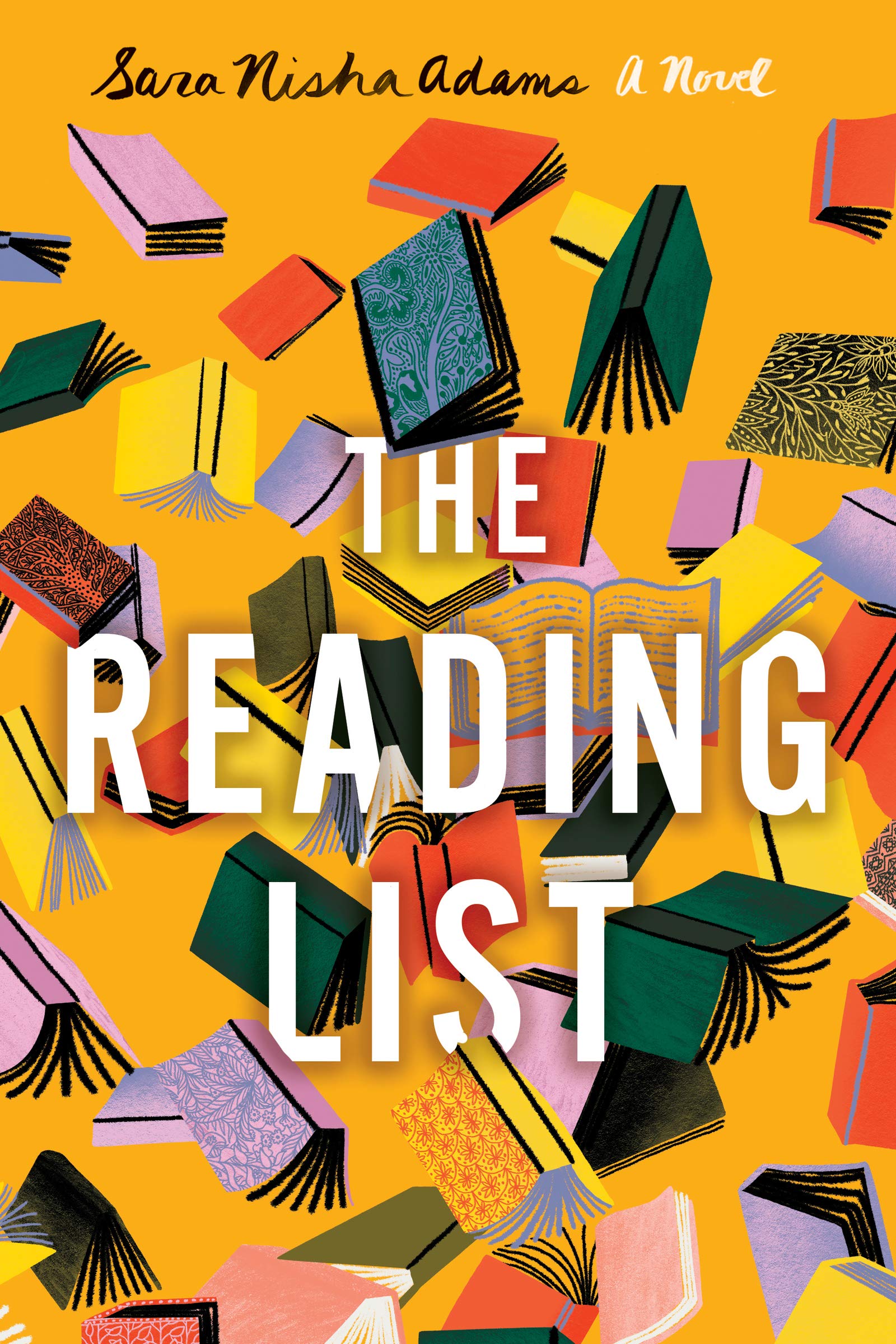
If you love books and libraries, you might enjoy this book by Sara Nisha Adams that so clearly shows their transformational powers. I read this one for library book club and absolutely loved it. I hope you will, too! ~Becky

Detective Dog

I recently pet-sat for my daughter’s four dogs: two large boxers (Titan and Hazel) and two small mini pinschers (Rubble and Remi). They’re all friendly and affectionate, but each has its own personality, as well. Remi is the youngest and just turned one. She still exhibits a LOT of puppy-type behaviors, like pottying indoors on occasion, grabbing things to run away with them, and chewing on anything she gets her paws on.

When I went to their house, I took my laptop to work on freelance editing and also made sure to pack a few books I’m reading. One was an early Christmas gift from my sister, Terri. We both love mysteries and like many of the same authors. One of our favorites is UK author, Elly Griffiths. She has three mystery series, and I especially like the two featuring Ruth Galloway and DI Harbinder Kaur. Knowing for sure I’d like it and hadn’t read it yet, Terri sent me the latest Harbinder Kaur book, Bleeding Heart Yard. It’s a great story and pulled me in immediately.

One evening, I had the book set well back on the nightstand, thinking I was being careful. But I hadn’t considered that jumping up on the bed to reach interesting objects was easy for Remi. The next thing I knew, the sound of ripping paper met my ears. My wonderful new book was flung to the floor with pages 321/322 ripped out and lying in several pieces. (Sorry Terri!) I rescued the book right away and set the pieces aside, realizing the pages were from later in the book and wouldn’t be needed right away.

The next morning, I decided the best way to make sure I hung onto all the pieces was to tape them together and back into the book. A few were too small and mangled, so I certainly hoped enough of the print remained to get the gist of the paragraphs. With tape in hand, I began reconstructing, while matching up words.

Suddenly, to my horror, I realized my eyes had landed on a section with an all-important sentence…”X X has admitted to the murders.” What are the chances that in those 30 seconds of jubilant grabbing and chewing, Remi would choose one of the few pages that revealed the killer?! I had to laugh, though. It was almost as if she were playing detective and sharing the solution to the mystery with me.

Lucky for me that my main goal in reading a mystery isn’t just to solve the puzzle, although I do that to a certain extent, of course. I love the way mystery series authors weave their interesting characters into suspenseful plots and reveal more about the people in each book. Will I finish reading Bleeding Heart Yard even though I know the name of the culprit? You bet! That doesn’t make much difference to me, except that I’ll be reading from a somewhat different perspective. I’ll be looking to see just how artfully the author reveals the rest of the clues and keeping an eye out for any red herrings.

So Remi wasn’t “in trouble.” But I certainly was reminded to be even more careful about where I set things when she was around!

Remi’s 1st Birthday